












Robert Duvall, Oscar-winning screen titan, dies aged 95

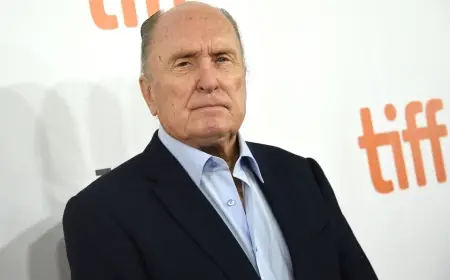
Robert Duvall, the prolific American actor whose stony authority and concealed vulnerability powered landmark performances across seven decades of film and television, has died at the age of 95. He leaves behind a body of work that ranges from a reclusive Boo Radley to the chilling Lieutenant Colonel Bill Kilgore and the unflappable consigliere Tom Hagen.
A commanding presence with hidden depths
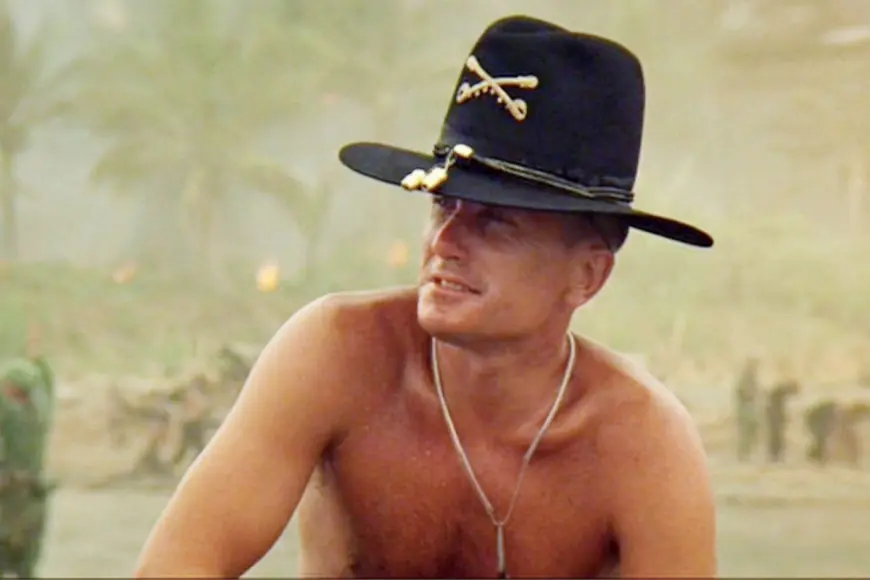
Duvall built a reputation for inhabiting men who wore toughness as armor while carrying private doubts inside. That duality became a signature: gritty machismo that could suddenly reveal a human, vulnerable core. One of cinema's most indelible moments came in a brief but unforgettable appearance as Lieutenant Colonel Bill Kilgore, who famously declares, “I love the smell of napalm in the morning. ” The line and the scene encapsulated Duvall's skill at turning a few minutes on screen into a character study—equal parts swagger and melancholy.
He won the Academy Award for best actor for his portrayal of a troubled country singer in 1983's Tender Mercies, and amassed seven Oscar nominations over his career. Other standout turns included the shrewd consigliere Tom Hagen in the first two Godfather films, a bombastic officer in the Vietnam-set epic that produced the napalm line, and the weathered Texas Ranger-turned-cattle driver in the sprawling television drama Lonesome Dove. Even in smaller roles he could reshape a scene, bringing texture and authority that directors and audiences relied upon.
From navy brat to stage-trained chameleon
Born Robert Selden Duvall in San Diego on January 5, 1931, he described himself as a “navy brat, ” shaped by a father who served a long career in the U. S. Navy. The expectation that he might follow his father to the Naval Academy gave way to a different path: after a spell in the U. S. Army following his 1953 college graduation, he moved to New York to study acting.
He paid his dues with day jobs while training under influential teachers and forming lifelong friendships with fellow actors. Early stage work honed a fierce theatrical discipline. His turn in Horton Foote's one-act The Midnight Caller led to casting as Boo Radley in the 1962 film To Kill a Mockingbird, his first screen role. That quiet, haunting performance signaled the emergence of a character actor who could anchor an entire film with restraint.
Throughout the late 1960s and 1970s Duvall's career accelerated. He collaborated repeatedly with major directors, including an early partnership that would yield parts in a landmark crime saga and its sequel. Films such as The Rain People, The Chase, Bullitt and True Grit gave him range, while work with visionary directors allowed him to take on roles that were at once operatic and intimate.
Though often cast as a supporting player rather than a conventional leading man, Duvall redefined what such parts could achieve. He brought unpredictability, a lived-in authenticity, and a willingness to let silence and small gestures carry emotional weight. Those qualities won him critical praise across stage and screen, and endeared him to generations of viewers.
Legacy of a stubbornly original artist
Robert Duvall's career was notable not only for awards and iconic lines but for a consistent refusal to be pigeonholed. He moved between mainstream blockbusters and intimate dramas, between television epics and independent pictures, with a restless curiosity that kept his performances fresh. Whether playing rough-hewn authority figures or quietly damaged men, he left an unmistakable mark on American storytelling.
He will be remembered for blending a muscular screen presence with the capacity for deep, often surprising emotional resonance—an actor who could dominate a scene simply by listening, or remake it with a single offhand remark. His work remains a study in how craft, restraint and a fearless embrace of contradiction can create performances that endure.