























Daryl Hannah Revisited in New JFK Jr. Limited Series

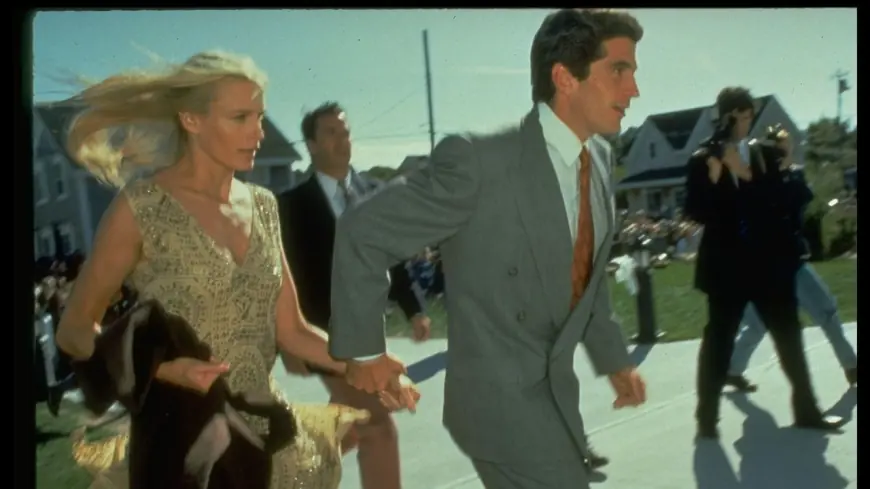
The new limited series that revisits the life and love of John F. Kennedy Jr. has drawn fresh attention to Daryl Hannah’s place in that story. The dramatization condenses the 1990s romance, highlights clashes over family approval and has prompted outreach from the actor portraying Hannah — all while reminding viewers that the show blends documented events with fictionalized scenes.
Playing Daryl Hannah: outreach, admiration and creative choices
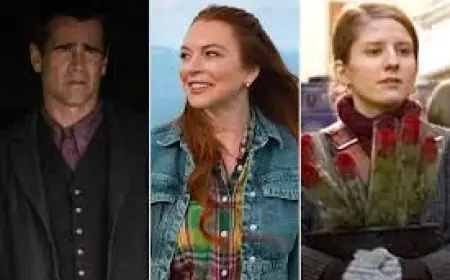
The role of Daryl Hannah is being played by an actress who has publicly expressed strong admiration for the original. She wrote what she called a "love note" to Hannah ahead of filming, describing the message as an expression of appreciation for Hannah as an actress and as a woman, and saying the part felt like an honor. The actor added that while she does not expect a response, she hoped the gesture might one day lead to meeting the subject of her performance.
On the production side, creators made a deliberate choice to take a research‑forward approach rather than relying solely on personal interviews with every living figure portrayed. One producer explained that engaging too directly with public figures can create competing pressures to honor particular versions of events. To that end, the series leans on dramatized scenes and character work to capture emotional truth rather than attempting a minute‑by‑minute reconstruction.
On‑screen sparks: condensed romance and family friction
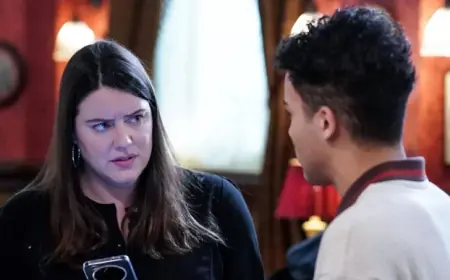
The first episodes jump into the famous triangle: John, his rising romance with Carolyn Bessette and the shadow of his earlier relationship with Daryl Hannah. The show compresses an on‑again, off‑again relationship into a tighter narrative arc, a choice producers defended as necessary to keep the story moving and to preserve dramatic momentum. Early on, a tabloid revelation strains a fledgling romance, and the program moves quickly past fits and starts to focus on the characters’ deeper conflicts.
Family dynamics play a prominent role. The series dramatizes a moment when Jacqueline Kennedy Onassis — portrayed during a period of serious illness — appears to disapprove of her son’s high‑profile relationships. One scene shows Hannah leaving a planned group dinner after staffers say the matriarch is unwell and will remain in her room; the actress’s departure is framed around the sense that she believes she’s not welcome. Those scenes underscore a long‑running theme in the Kennedy family narrative: concern over how spouses and partners fit into the clan’s public image and private expectations.
Notably, close observers of the real events have described Jackie’s attitude as cautious rather than vengeful. A friend quoted in a Kennedy oral biography said she "was not a fan of that relationship, " explaining that Jackie’s reservations stemmed largely from a desire that her son not marry an actress. The same observer added that there was no great animosity, but steady questioning: "What do you think of Daryl? Do you think that's right for John?"
Medical crisis, historical context and dramatic framing
The dramatization also touches on a darker period for the family: a horseback accident and a subsequent diagnosis that would mark the end of an era. The show depicts a collapse at home and the family’s rush to care for one another, compressing timelines in ways that spotlight emotional beats over strict chronological accuracy. Producers have acknowledged that some scenes are fictionalized or condensed to keep the series focused on character and theme rather than exhaustive chronology.
For viewers, the result is a portrait that reintroduces Daryl Hannah to a new audience through the twin lenses of 1990s celebrity culture and Kennedy family scrutiny. The series invites viewers to weigh dramatized choices against established facts, and to consider how public lives get reshaped when they are turned into serialized drama. New episodes are being released on Thursdays at 9 ET, with the limited run unfolding week by week.