
























Rupert Lowe launches Restore Britain and draws hard‑right backing in Great Yarmouth

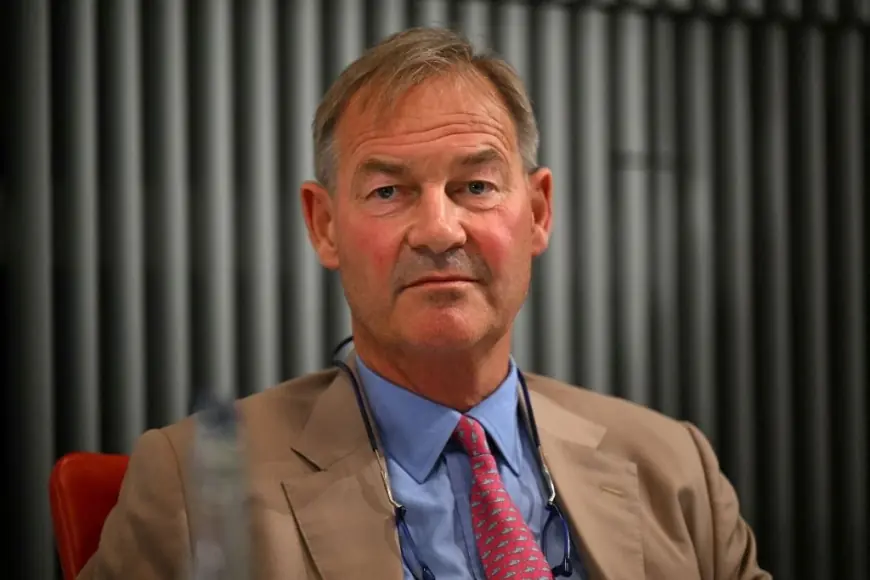
Rupert Lowe announced on Friday night that Restore Britain will become a national political party, setting out hard‑line immigration policies at a packed event in Great Yarmouth and quickly attracting support from figures and groups to the right of Reform. The development raises fresh questions about vote‑splitting on the right ahead of the next general election.
Launch in Great Yarmouth: rhetoric and local roots
Speaking in a rundown theatre at the town’s pier, Lowe told supporters that his movement would pursue drastic measures on immigration, using the rallying cry that "millions will have to go. " He introduced five councillors who will contest the next Norfolk county council elections under a local banner that will partner with Restore Britain, and said the organisation would now operate nationally rather than as a one‑off local campaign.
Lowe was elected MP for Great Yarmouth in July 2024 but now sits as an independent after leaving his former party last year amid a public falling out. He initially set up Restore Britain as a political movement following suspension from his former group earlier in the year; prosecutors later concluded there was insufficient evidence to pursue charges linked to the circumstances that prompted that suspension. Lowe has cultivated a profile as a maverick constituency MP and has emphasised a disconnect between mainstream politicians and voters in coastal towns like Great Yarmouth.
Rapid coalescence of hard‑right support
Within days of the launch, a number of parties and activists on the hard right signalled willingness to work with Lowe. One group led by a former deputy leader of a rival right‑wing outfit said it would consider a merger, while activists known for street protests and high‑visibility marches have shown enthusiasm for closer ties. A wealthy tech figure amplified Lowe’s message on social media and offered public praise, while other high‑profile individuals have signalled approval.
The event in Great Yarmouth drew a cohort of younger online influencers and activists who favour a more ethnically exclusive view of national identity; several named figures with prominent online followings were present. Organisers are positioning Restore Britain as an umbrella force that can fold in local parties and campaign groups, including the Great Yarmouth First project that Lowe has promoted at constituency level.
Electoral implications: a threat to Reform and the wider right
Political strategists warn that the emergence of another right‑wing party could fracture support on the political right and leave established challengers weaker under first‑past‑the‑post rules. In recent elections a swathe of seats were decided by margins small enough that even modest vote‑splitting could change outcomes; one strategist noted that a handful of strong local challenges on the right might prove decisive in a tight national result.
Reform has relied heavily on social media and a high‑profile national leader to consolidate its position, but the arrival of Restore Britain — backed by hard‑line rhetoric and visible street‑level activists — changes the competitive landscape. Some senior Conservative figures who had been associated with Lowe’s movement in an advisory capacity are understood to be stepping away now that it is a formal party, reflecting the reputational risks of closer ties.
Analysts say the new party forces choices on voters and on established right‑wing leaders: either move further to the right to retain support, at the risk of alienating parts of the electorate, or attempt to hold ground in a crowded marketplace and accept a narrower base. In either scenario, the immediate effect is likely to be increased volatility in seats where small shifts in vote share are decisive.