

























Pam Bondi Criticised After Justice Department Says It Released All Epstein Files

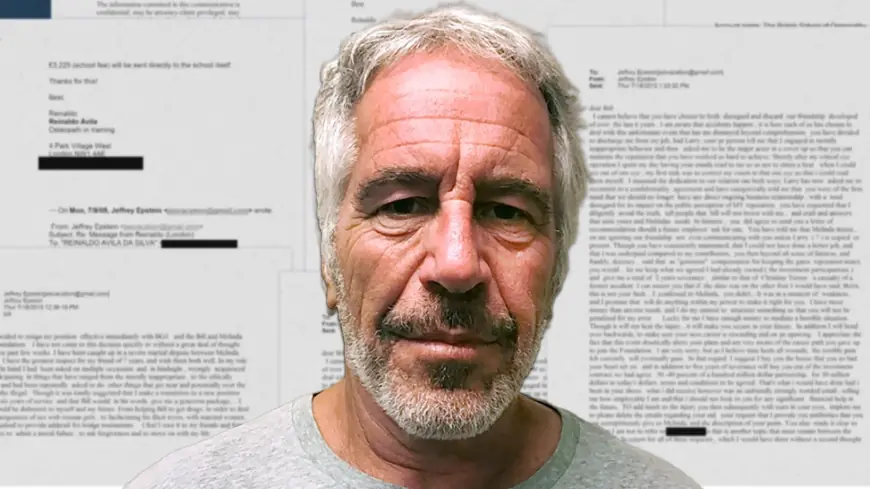
The US Department of Justice sent a letter on Saturday (ET) asserting that it had released all documents required by the Epstein Files Transparency Act. The declaration has drawn sharp criticism from lawmakers and analysts who say key records — including internal deliberative memos — remain withheld and that the material made public may represent only a small slice of what investigators recovered.
What the department says it released
The letter, signed by US Attorney General Pam Bondi and her deputy, lists names that appear in the files and states that the department has produced "all 'records, documents, communications and investigative materials in the possession of the Department' that 'relate to' any of nine different categories" covered by the statute. It adds that no records were withheld on the basis of embarrassment, reputational harm, or political sensitivity.
Officials note that the names appearing in the released material show up in a wide variety of contexts: some had extensive direct contact with the central figures, others were referenced in news clippings or third-party documents contained in the collection. The list includes a range of public figures and several deceased musicians.
Earlier this month the department made millions of pages available, while its deputy had acknowledged that roughly three million pages were not released because they included personal medical records, graphic depictions of child abuse, or content that could jeopardize ongoing investigations.
Lawmakers and analysts push back
Two members of Congress who sponsored the Transparency Act have said the department's production is incomplete. One co-author argued that internal memos, notes and emails outlining decisions about whether to open prosecutions must be released under the law. He has publicly questioned the invocation of deliberative process privilege as a rationale for withholding such materials.
Another co-author accused the department of "purposefully muddying the waters" over who should be considered a predator and who should be considered a victim, and has demanded further disclosures to clarify prosecutorial choices made in the past. Survivors and advocacy groups have similarly pressed for fuller transparency.
An independent analysis of the published records identified emails and other items that suggest the material made public could amount to a small fraction of the files recovered from the subject's properties — potentially as little as 2% of the total. That finding has intensified calls for the release of the underlying investigative caches and internal decision-making documents.
Next steps and broader implications
The Bondi letter was addressed to the chairs and ranking members of the Senate and House Judiciary Committees, naming the relevant committee leaders. Lawmakers have several options: demand additional productions, issue subpoenas, or press for court review of withheld material. Questions about the scope of what the department must produce under the Transparency Act are likely to play out in hearings and possibly litigation.
Officials emphasize that appearing in the files is not evidence of wrongdoing; some individuals listed in the release have documented associations with the central figures and have denied any involvement in criminal activity. The dispute now centers on whether the department has met the statutory standard for disclosure and whether internal deliberations and other potentially revealing materials are being shielded by privilege claims designed to protect investigative integrity.
As lawmakers and advocates examine the published records, the political and legal pressure on the department to clarify what remains sealed is likely to grow. The outcome will influence how much additional detail — if any — enters the public record about the long-running investigation and the decisions made by prosecutors over the years.