
























Rupert Lowe launches Restore Britain with hard‑right allies in bid to unseat Reform

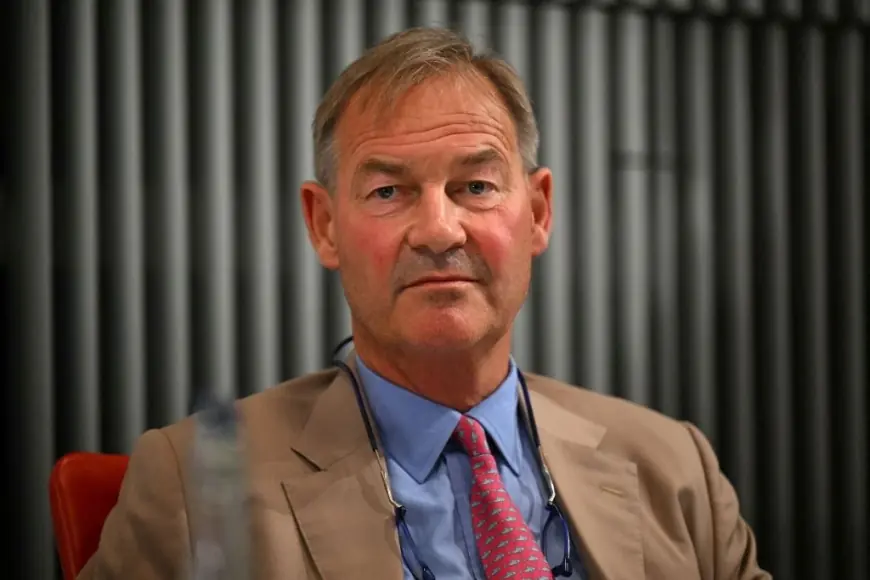
Rupert Lowe has formalised Restore Britain as a national political party after a crowded launch event in Great Yarmouth, setting out hard‑line immigration policies and drawing rapid backing from figures and groups to the right of the established reformist movement. The new vehicle promises to contest local and national ballots and risks fragmenting the right‑of‑centre vote ahead of the next general election.
A national party born in a coastal theatre
The launch took place on a cold night at a rundown theatre on Great Yarmouth’s seafront, where Lowe, the constituency MP who left his former party last year and now sits as an independent, vowed a return to strict immigration measures. He framed Restore Britain as more than a local outfit, saying it would act as an umbrella for locally based parties and confirming that the Great Yarmouth First group will stand councillors under its banner.
Lowe’s move follows his suspension from his former party in the previous year after allegations of threats; prosecutors later concluded there was insufficient evidence for a realistic prospect of conviction. The new party launch also prompted departures from its advisory circle: two senior figures who had been involved while Restore Britain was a movement signalled they would step away now that it is a registered political party.
Right‑wing realignment and the risk of vote‑splitting
The formation of Restore Britain has prompted swift outreach from other parties and activists on the hard right. A rival grouping led by a former deputy leader of the reformist movement has said it would consider a merger, and prominent street‑protest activists have already shown support for closer cooperation. That alignment raises the prospect of a patchwork of small parties competing for the same voters.
Electoral strategists warn that first‑past‑the‑post dynamics could punish a divided right. Recent elections produced numerous parliamentary seats decided by narrow margins — many won with votes measured in the low thousands or by percentages under 2 — meaning even small splits in the vote could alter outcomes in key constituencies. For an already crowded right‑leaning field, the arrival of another party focused on hard‑line immigration policy could be decisive in tight races.
Amplification, personalities and controversy
Restore Britain enters the scene buoyed by a mix of high‑profile endorsements, online amplification and a cohort of young activists who advocate a more ethnonationalist tone. A tech billionaire known for intervening in political debates has publicly amplified Lowe, boosting the new party’s profile on social platforms. The launch drew activists with high online followings and a handful of public figures who signalled support or approval.
In addition to digital reach, allied groups have cultivated a visible street presence at protests over asylum accommodation, demonstrating practical organising capacity that could translate into campaign activity. One rival leader has injected significant personal funds into his own project and said the movement has raised substantial sums from other backers, underlining that money and mobilisation are in play as Restore Britain moves from movement to party.
Whether Lowe’s venture consolidates into a durable national force or becomes another short‑lived splinter will depend on its ability to convert online momentum and local activism into disciplined campaigning that wins seats. For now, its quickest impact may be the pressure it exerts on other right‑of‑centre groups to sharpen positions and shore up loyalties ahead of the next electoral tests.