























‘Love Story’: Inside Jacqueline Kennedy’s Final Days

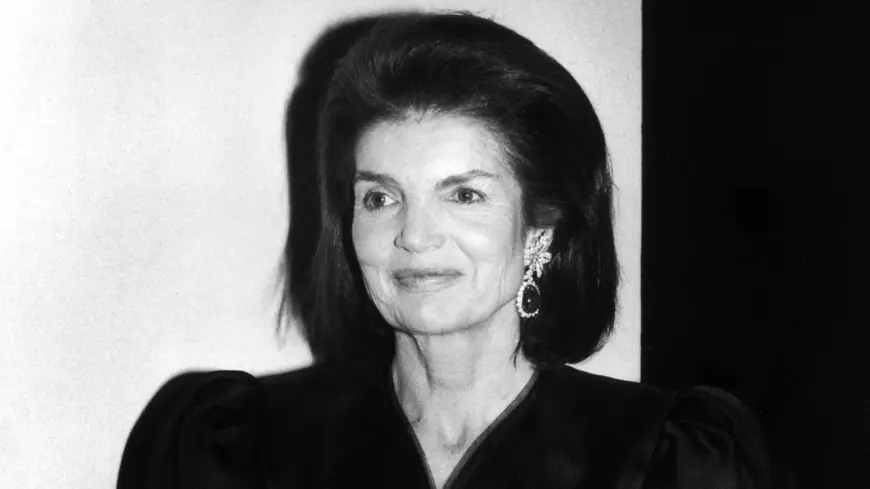
New disclosures paint a quietly intimate portrait of Jacqueline Kennedy Onassis in her final chapter — a period marked by close friendships, familiar rituals and a dignified public farewell that linked her private life to the nation’s memory of the Kennedy years.
Private final days and the circle of close companions
In her last months, those nearest to her kept company in subdued settings that underscored longstanding bonds rather than pageantry. A longtime companion was by her side; family members and longtime friends moved through a steady rhythm of visits that blended personal care with private conversations about the past. The portrait emerging from these moments is of a woman who prioritized the company of a few trusted people, leaning on intimate rituals and literary touchstones that had comforted her across decades.
Family presence remained central. Her daughter read one of her favorite poems during a private moment of remembrance, and close friends contributed readings that reflected both shared histories and the quiet humor that often lightened solemn occasions. Those contributions emphasized the continuity of her life as a mother, cultural figure and keeper of family memory.
A New York memorial and burial at Arlington
The public farewell unfolded in New York, where a service was held in a church that had personal significance for her — it was the place tied to formative moments in her youth. The mass drew family, longtime companions and several prominent figures, who joined in processions that later made their way to the national cemetery where she was laid to rest.
At the graveside ceremony, a family friend who had spoken at earlier Kennedy memorials led the service, connecting two eras of the family’s public grief. Military choirs performed music that acknowledged John F. Kennedy’s naval service, and several family members delivered readings and reflections at the graveside. The burial placed her among the nation’s honored dead, making her the second first lady to be interred at that cemetery and reaffirming the symbolic bond between her life and her husband’s legacy.
Honorary pallbearers included relatives and longtime associates who represented different branches of the extended Kennedy family and those who had served the family across generations. The gathering balanced private grief with a ceremonial recognition of public service and family continuity.
Legacy, literature and the careful shaping of memory
Poetry threaded its way through the farewell. One reading chosen by her daughter had long been a favorite and was selected for its resonance with the family’s ties to particular places and seasons of life. Another reading, chosen by a close companion, offered reflections on journeys and arrivals — an apt metaphor for a life that moved constantly between the intimately personal and the broadly public.
Speeches at the memorial emphasized the depth of her influence beyond the role of first lady: a steward of cultural life, a guardian of family history and a figure whose final years were lived on her own terms. Attendees spoke of the ways she nurtured family bonds, curated memory and projected a sense of style that extended into her private rituals.
These newly disclosed moments of the final chapter do more than chronicle a passing; they trace how a family and a nation choose to honor a complex life. The balance struck between private intimacy and public ceremony ensured a farewell that felt both personal and emblematic, underscoring why her life continues to prompt reflection decades after it first captured the public imagination.