
























Pam Bondi’s Combative Congressional Hearing Rekindles Questions Over Epstein Files and Partisan Playbook

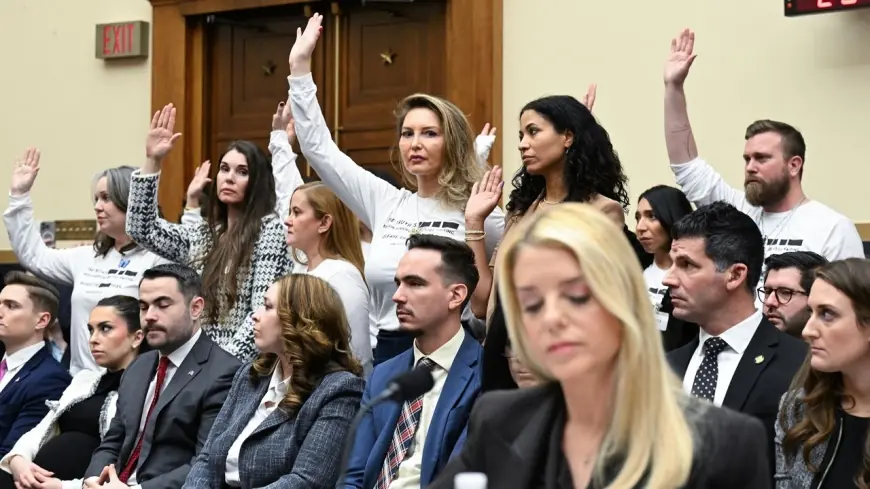
Pam Bondi’s recent appearance before Congress on Wednesday (ET) turned into a marathon of insults, theatrical posturing and renewed scrutiny over how political priorities may have shaped access to sensitive files. Lawmakers from both parties clashed with Bondi for hours, while an Epstein survivor’s blunt assessment—“People are willing to protect pedophiles if the price is right”—echoed through the broader debate about accountability and transparency.
Four-and-a-half hours of spectacle: tactics and tempers
The session stretched more than four hours and often read less like routine oversight than a staged confrontation. Bondi repeatedly pushed back against questioning members, trading barbs with lawmakers and at one point delivering withering putdowns that underscored the session’s confrontational tone. She arrived prepared with a tabbed binder of material that she used to counter individual committee members by name, a tactic critics called a deliberate effort to shift the hearing from fact-finding to personal attacks.
Members from both parties felt the brunt of the approach. Exchanges ranged from pointed procedural challenges to outright mockery. One lawmaker who pressed for the release of documents linked to Jeffrey Epstein was derided as a “failed politician, ” while another who sought lists of designated domestic extremist groups was told she was insulting the department. Republicans and Democrats alike found themselves the targets of rehearsed lines and what opponents described as what-aboutism—efforts to redirect scrutiny by invoking actions or inactions of previous officials.
Epstein files, survivor outrage, and the politics of disclosure
At the heart of the hearing were renewed demands for access to files tied to Jeffrey Epstein. A member of Congress who has championed the release of those documents pressed Bondi directly, only to be met with derision and dismissal. That moment amplified outrage from survivors and advocates who say accountability has been repeatedly delayed or obstructed.
One survivor’s stark comment—that people will protect perpetrators if the financial incentives are large enough—cut to the core of public frustration. That sentiment has become a rallying cry for those pushing for faster disclosure and stronger measures to prevent future abuses. For critics, the hearing underscored a broader concern: that political expedience and fierce loyalty to party leaders can overshadow victims’ demands for answers.
Bondi also used the forum to lavish praise on a prominent political ally, a move that observers said blurred traditional lines between independent law enforcement oversight and partisan advocacy. The combination of scorn for questioners and effusive political loyalty only deepened worries among members who expected a more restrained, information-focused exchange.
What comes next: oversight, optics and legal fallout
The hearing did little to close the book on calls for document releases or to settle disputes about how investigative priorities are set. Lawmakers signaled they may pursue additional oversight steps, and advocacy groups that represent survivors have said they will keep pressure on officials to produce records and answers.
Politically, the session played into an emerging narrative about performance-oriented hearings: participants on both sides often seemed more focused on generating viral moments than securing conclusive evidence. That dynamic risks further eroding public confidence in congressional oversight at a time when transparency advocates say clarity is most needed.
For Bondi, the hearing will likely be remembered for its combative style and for the questions it left unanswered. For survivors and those demanding accountability, the moment reinforced a longstanding suspicion that legal processes and political allegiances can collide, sometimes to the detriment of victims seeking truth and justice.