























Elana Meyers Taylor, 41, wins dramatic monobob gold at Milan Cortina

Elana Meyers Taylor completed a long-sought Olympic triumph on Feb. 16, 2026 (ET), rallying in the final run to capture gold in the monobob at the Milan Cortina Winter Games. The victory gives the 41-year-old U. S. bobsledder her first Olympic gold and expands an already historic medal résumé.
How the final unfolded
Meyers Taylor entered the last run sitting in silver position, fully apprised of the time she needed to vault to the top of the podium. She delivered a clean, composed final descent and posted a four-run combined time of 3: 57. 93. Her mark held up after the final sled left the track: Germany’s Laura Nolte finished 0. 04 seconds behind, taking silver, while Meyers Taylor’s teammate Kaillie Humphries completed the podium in bronze, 0. 12 seconds back.
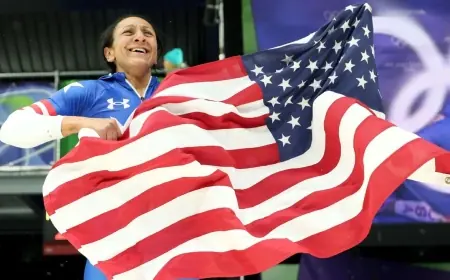
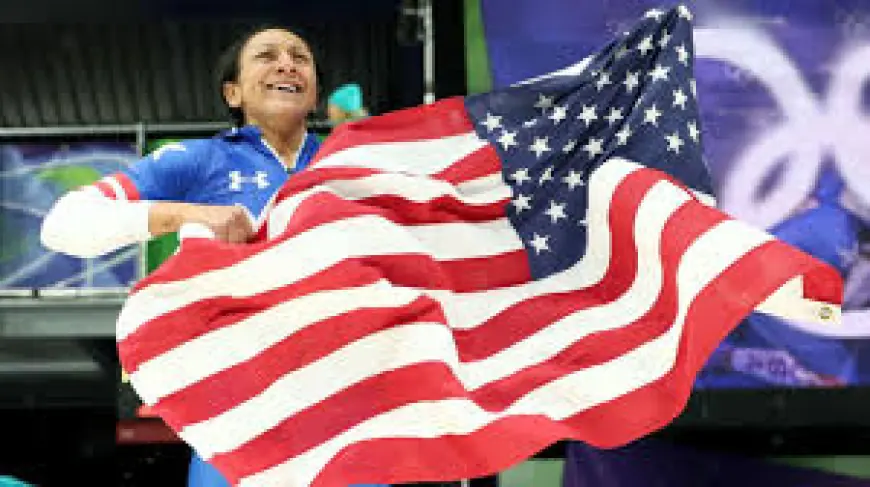
The gold-winning margin was razor-thin, and the closing moments were tense. Meyers Taylor seized the lead late in the competition and then celebrated with a U. S. flag and an emotional embrace with her two young sons and teammates on the ice. The run capped a comeback that had the veteran driver riding with poise under pressure.
Historic milestones and career context
With this triumph, Meyers Taylor now owns six Winter Olympic medals, tying her with an American speedskating legend for the most Winter Olympic medals by a U. S. woman. At 41, she also became the oldest athlete to win an individual gold medal at the Winter Games, surpassing the recent mark set earlier in these Games.
Her journey to gold stretches across four prior Olympics. She arrived in Milan Cortina with multiple silver and bronze medals in two-woman bobsled from earlier Games and had taken silver in monobob at the previous edition. The gold fills the one slot missing from a distinguished Olympic résumé and cements her status as one of the sport’s most decorated figures.
Meyers Taylor’s trademark confidence—she has long joked that her nickname is "E-Money" and that she is "money under pressure"—proved prophetic in the final showdown. The result also extended the U. S. stronghold on Olympic monobob medals: across the two editions of the event, athletes from the U. S. have collected four of six podium places, with Meyers Taylor and Humphries key contributors.
Monobob, the field and what comes next
Monobob, a women-only discipline that debuted at the last Winter Games, features a single-driver sled that differs from the two- and four-person events. It has quickly become a showcase for athlete-driven skill and precision, emphasizing individual starts, steering and consistency over multiple runs.
The Milan Cortina result highlights both Meyers Taylor’s longevity and the depth of U. S. bobsled talent. Her teammate Humphries, already an Olympic champion in monobob, added bronze to her collection, while Nolte’s silver kept Germany competitive at the top end of the discipline.
Looking ahead, Meyers Taylor’s gold may reshape conversations about longevity in sliding sports and deepen the focus on monobob as a marquee Olympic event for women. For the U. S. program, the medals reaffirm development pathways that have produced sustained podium results across successive Games.
In a sport decided by hundredths of a second, Meyers Taylor’s final run will be remembered as the one that finally delivered the gold she had chased for years.