
























JFK Jr. series rekindles fascination with Carolyn Bessette style and sparks family backlash

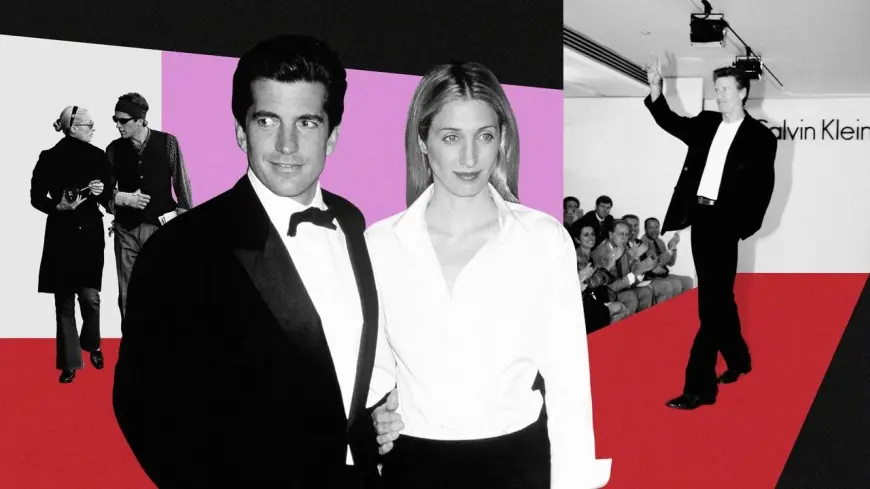
Ryan Murphy’s new limited series about John F. Kennedy Jr. and Carolyn Bessette Kennedy premiered Feb. 12, thrusting the couple’s private romance back into public view. The show’s spotlight on 1990s minimalism — the pillowy hair, slip dresses and pared-down tailoring that came to define Bessette Kennedy’s public persona — arrives at the same moment a major fashion house staged a runway show that deliberately looked elsewhere. The collision of TV, fashion and family complaint has set off a broader conversation about aesthetics, ownership and the ethics of dramatizing real lives.
How the show revived the Bessette Calvin Klein moment
The series places wardrobe front and center, leaning into the hush-and-restraint that became synonymous with Carolyn Bessette Kennedy. Costume choices for the leads emphasize narrow silhouettes, unadorned fabrics and that quietly seductive restraint: the white shirts, slip slips and slim skirts that read as both timeless and distinctly of the 1990s. For viewers who remember the era, the effect is immediate — a conjuring of a look that suggested composure and control, a style that helped make Bessette Kennedy a cultural shorthand for chic sobriety.
Designers and retailers are already responding. When a high-profile runway opened the same week, its creative director chose to excavate an earlier moment for the label — late 1970s into the early 1980s — rather than leaning into the ’90s minimalism the series celebrates. That choice produced a show that felt exploratory and, at times, unsettled: a mix of deconstructed suiting, backless tailoring and experimental silhouettes that flirted with the brand’s origins rather than its most famous decade. The juxtaposition of the streaming recreation and the runway’s backward glance highlights how media can revive a defining look, even as brands attempt to reframe their own histories.
Family objections and the question of who owns a story
The dramatization has not been without controversy. Members of the Kennedy family and their relatives have voiced anger at the project, arguing that dramatizing a relationship that ended in a tragic plane crash risks exploiting private grief for entertainment. One family member called the production’s profit motive “grotesque, ” and the showrunner’s response on a recent podcast — calling that reaction “an odd choice to be mad about your relative that you really don’t remember” — intensified the dispute.
The debate taps into long-standing tensions over control of the Kennedy narrative. Public fascination with the family stretches back decades, producing its own mythology: sanitized public images, rumor, and intense scrutiny. The new series enters that landscape by dramatizing intimate moments — including scenes that depict Jacqueline Kennedy Onassis destroying personal correspondence — elements that have historical anchors in biographies and eyewitness accounts but are now being re-presented for mass audiences. That re-presentation raises thorny questions about consent, memory and the line between historical depiction and entertainment.
What viewers should expect next
The first three episodes premiered Feb. 12; subsequent installments will arrive weekly on Thursdays at 9: 00 p. m. ET. Expect the conversation to continue on multiple fronts: fashion observers will parse the series’ influence on current trends, critics will weigh the show’s narrative choices and historians and family members will keep debating the ethics of adaptation. For now, the intersection of on-screen style and off-screen sentimentality ensures the series will remain a cultural talking point long after the credits roll.