
























Snow, Strikes and Operational Breakdowns Leave Hundreds Stranded; flights to charles de gaulle Heavily Disrupted

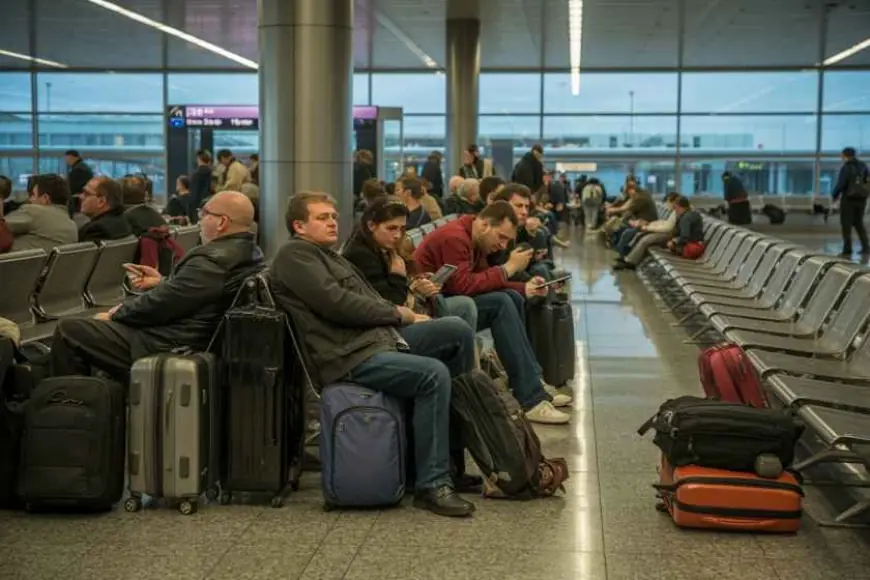
Hundreds of passengers found themselves stranded or scrambling for alternatives after a wave of cancellations and delays swept European skies on Sunday and Monday, February 15–16, 2026. The disruption hit both short-haul and long-haul routes, with flights to Charles de Gaulle (CDG) and other major hubs experiencing significant reductions in service during the peak travel window.
What happened and where it hit hardest
Weather and labor action converged with operational issues to create widespread turbulence across the continent. A band of snow moved eastward over the Benelux region and into Germany on Sunday, prompting airports to reduce movements and cancel services. One busy northern hub curtailed roughly half of its scheduled flights for the day; by 12: 30 p. m. ET, airlines had already axed well over a hundred departures and dozens of arrivals there. In France, Paris Charles de Gaulle trimmed operations by an estimated 30 percent, while other French airports reduced capacity by roughly a fifth.
The chain reaction affected routes across Western Europe. Domestic journeys such as Paris CDG to Toulouse and Orly to Toulouse were among those canceled, while international services including Toulouse and Nantes connections to Amsterdam were also disrupted. The fallout spread to major city pairs linking Paris, Amsterdam, Rome, London, Barcelona and other regional centers, with knock-on effects reaching airports beyond Europe.
Passenger impact and airline response
Travelers faced rebooking delays and crowded customer service desks as airlines worked to relocate affected passengers. Carriers prioritized reroutes and seat swaps where capacity allowed, but the high volume of cancellations left many unable to secure same-day alternatives. Business travelers with tight itineraries saw meetings delayed or missed, and tourists encountered last-minute changes to plans that included missed reservations and disrupted sightseeing schedules.
Operational explanations have pointed at a mix of staffing strains, cascading schedule disruptions from bad weather, and isolated technical problems. In addition, a major carrier’s labor action on February 16 grounded hundreds of flights, compounding the earlier weather-related cancellations and creating a backlog of displaced passengers and aircraft. The combined effect was more than 700 cancellations and several thousand delays across the affected days.
Advice for travelers and outlook
Passengers scheduled to fly in the coming days should monitor their flight status frequently and expect longer wait times at customer service points. Those with connections through Paris CDG or other affected hubs should build extra time into itineraries or consider alternate routings. Travelers who can change plans may find it easier to secure seats on later flights or different carriers, while those who must travel should prepare for on-the-ground disruptions such as congested transfer zones and fuller hotels near airports.
Industry planners are working to restore schedules and minimize further disruption, but recovery will depend on weather clearing, staff availability and aircraft rotations returning to normal. For now, the episode highlights how quickly weather, labor action and operational pressures can produce a cascade of cancellations that reach beyond the initial epicenter. Passengers are advised to keep documentation of altered travel plans for potential refunds or compensation claims and to contact their carrier or travel provider for rebooking options.
As normal operations are gradually re-established, airports and airlines will be balancing the need to clear backlogs with the priority of maintaining safety and reliability. Travelers should expect intermittent delays while systems and schedules are normalized.