

























Pancake Day 2026: The forgotten history behind Shrove Tuesday

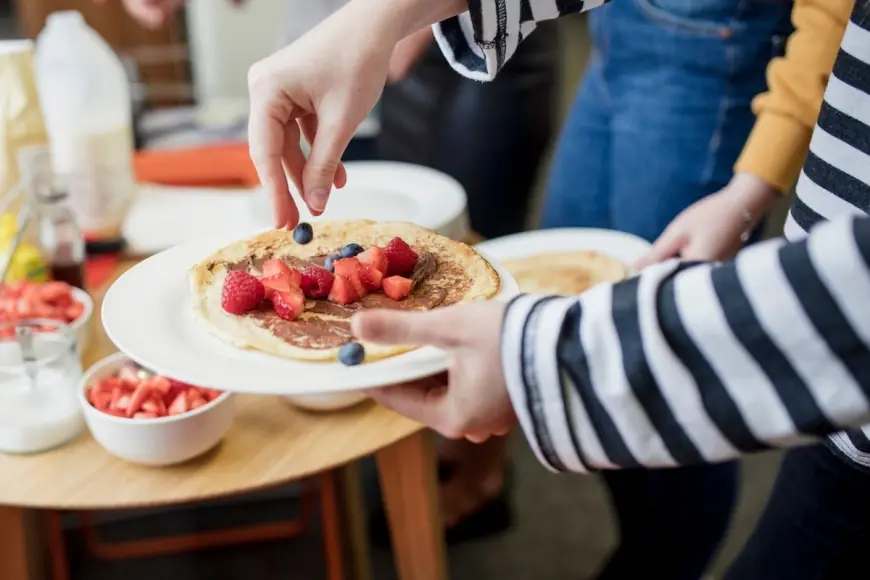
Get your spatulas ready: Pancake Day, also known as Shrove Tuesday, falls on Tuesday, February 17, 2026 (ET). What began as a pragmatic kitchen ritual has evolved into a festival of flips, races and community events — and it still carries echoes of a religious calendar that moves with Easter.
Origins of the pancake ritual
The custom of eating pancakes on the day before Ash Wednesday stretches back centuries. In Britain the practice dates to around the 16th century, when households used up perishables such as eggs, milk and butter before the 40-day fast of Lent. Making pancakes was an efficient way to use ingredients that would traditionally be avoided once Lent began.
The name Shrove Tuesday is tied to the older Christian practice of being shriven — confessing and receiving absolution — ahead of Lent. Because Easter is a moveable feast, Shrove Tuesday shifts each year; it always falls 47 days before Easter Sunday, which is why the date on the calendar varies from year to year.
Across Europe and beyond, the same day is recognised with different customs. In some countries the approach to Lent takes the form of carnival celebrations, often under the banner of “Fat Tuesday, ” when rich foods and public revelry precede the austerity of the Lenten season.
How Pancake Day is being observed in 2026
This year’s early date has prompted restaurants, community centres and churches to plan special offerings and family events. Crepe-style pancakes and the thicker, fluffier varieties often enjoyed in Scotland and North America are both on menus, and many venues are promoting topping bars and themed pancake parties for children and adults alike.
Community activity ranges from free or donation-based pancake lunches at parish halls to ticketed pancake parties for younger diners. Many local cafes are encouraging people to “grab a stack” and some towns stage pancake festivals that combine food with crafts, quizzes and family-friendly programming. For those who prefer to stay home, classic recipes and quick batter tips are being shared to help households flip confidently on the big day.
Traditional pancake races remain a feature in some towns. The origin story most often told involves a frantic housewife who dashed to church with a frying pan still in hand as the bells called worshippers to shriving. The races have since become a quirky competitive event: contestants run a set course while flipping a pancake in a pan, sometimes required to flip the pancake multiple times along the way.
What to know if you plan to join in
Pancake Day offers something for everyone — from serious flippers to those who simply want a sweet treat. If you’re attending a community event, expect a range of toppings from simple lemon and sugar to maple syrup, chocolate spreads and seasonal sweets. Family-friendly pancake parties often include crafts and activities timed to the transition from winter into spring.
If you’re curious about joining a pancake race, prepare for a mix of fun and fitness: some races challenge contestants to flip pancakes multiple times over a course of several hundred metres. For home cooks, the usual pantry staples — eggs, flour, milk and a little fat — will be all you need to mark the day.
Whatever your reason for celebrating — culinary, social or religious — Pancake Day 2026 offers a familiar, flavorful pause before the Lenten period begins on Ash Wednesday the following day.