
























SAS Flight Forced Back to Stockholm After Mouse Spotted Midair

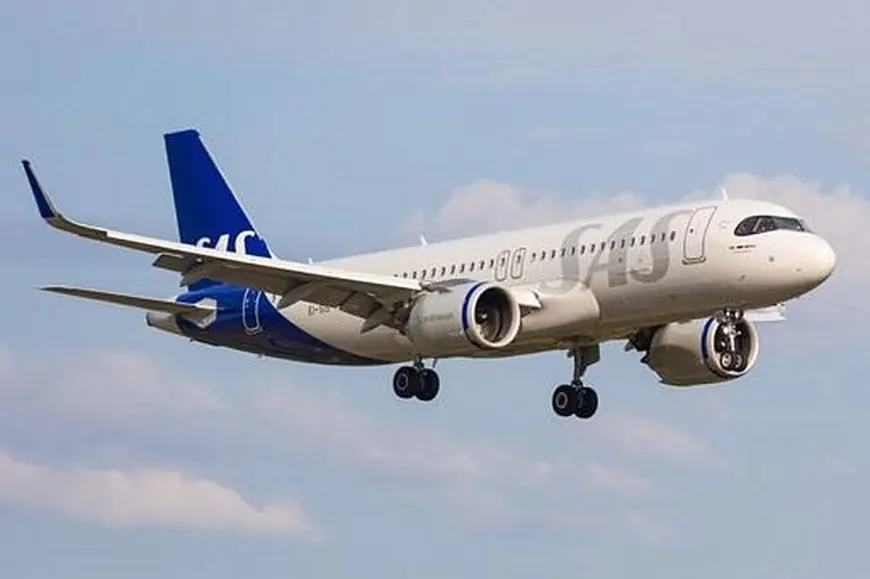
Passengers on a Scandinavian Airlines service bound for Málaga faced an unexpected detour on February 7, 2026 (ET) when crew and travellers spotted a mouse aboard an Airbus A320neo. The aircraft executed a U-turn over Western Europe and returned to Stockholm, prompting inspections and a significant delay before the journey continued.
In-flight sighting prompts immediate return
The flight departed Stockholm Arlanda Airport for Málaga but was reversed roughly halfway into the scheduled four-hour trip after a small rodent was seen moving through the cabin. Concern among passengers and crew grew quickly; airlines must treat any animal loose in the cabin seriously because rodents can damage insulation and, more worryingly, electrical wiring.
Flight-tracking records show the A320neo made a wide U-turn over Western Europe and retraced its path north, spending approximately three and a half hours in the air before landing back at its departure airport. Crew prioritized safety over destination timetables, removing the aircraft from service for examination once it touched down.
Safety risks and engineering checks
Rodents are uniquely troublesome on aircraft. Their instinct to gnaw can affect critical cabling in confined or inaccessible areas, creating potential for electrical faults or, in the worst-case scenario, fire. Those hazards are serious enough that diversion and thorough inspection are standard procedure when a live rodent is discovered on board.
Engineers at the airport conducted a detailed inspection of the airframe and systems after the return. The aircraft remained out of service for the remainder of the day while ground teams searched for the animal and checked for any evidence of damage. Flight-tracking records indicate the jet was cleared and returned to commercial service the following day, suggesting no flight-critical harm was found.
Passengers delayed but reach destination
Passengers eventually transferred to a replacement aircraft and continued on to Málaga, albeit significantly delayed. Many described the incident as surreal—a holiday plan interrupted by a tiny stowaway—while others expressed frustration at the disruption. No injuries were reported and all onboard disembarked safely when the flight returned to Stockholm.
The ultimate fate of the mouse remains unclear. Ground teams worked to remove the animal and ensure the aircraft was fit to fly again, but there has been no public confirmation that the creature was captured.
This episode follows earlier instances in which rodents have caused diversions or groundings, reinforcing the aviation industry’s vigilance on pest control and catering logistics. For airlines, the direct costs of delay and inspection are substantial, but the overriding priority is preventing any threat to aircraft systems and passenger safety.
For weary travellers, the incident will be remembered as an unusual chapter in air travel. For operators and engineers, it is another reminder that even small animals can pose outsized risks when airborne at cruising altitude.