
























Lunar New Year 2026 live: Year of the Fire Horse brings food, fashion and changing rituals

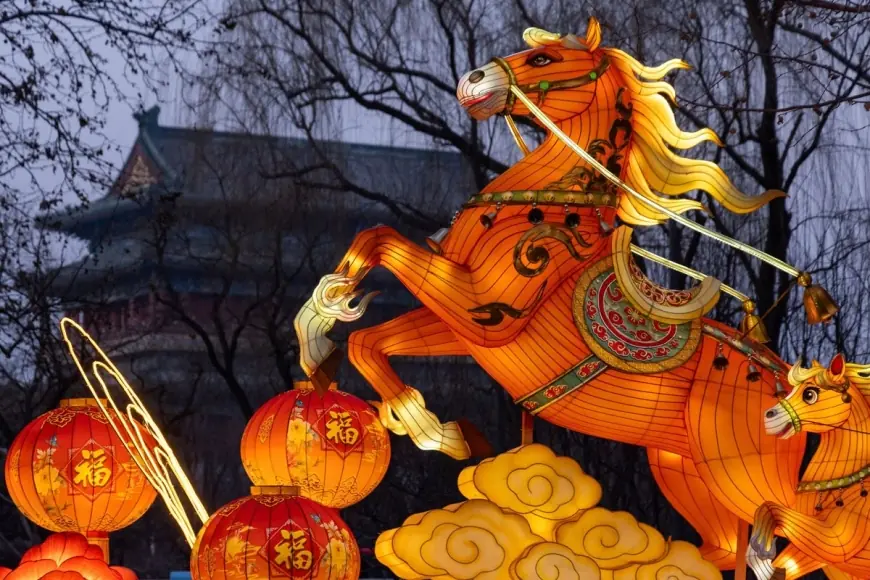
The Lunar New Year began on February 17, 2026 (ET), ushering in the Year of the Fire Horse as millions across East and Southeast Asia marked the 15-day festival. Streets, shopping districts and neighbourhoods are animated with red lanterns, feasts and a mix of longstanding customs and newer, pared-back practices.
Food, crowds and homecomings: how cities are celebrating
Markets and historic districts have been crowded with families and tourists hunting for traditional fares. In Manila’s Chinatown, long queues have formed for dumplings, toasted pork buns and beef noodles that blend local and colonial-era influences. Vendors in that riverside district have stocked up on charms and small gifts aimed at visitors hoping to secure good fortune for the new year.
Across the region, food rituals remain central to the holiday. In Malaysia and Singapore, the raw fish salad yusheng is a staple at reunion meals; diners lift and toss the ingredients with chopsticks together before eating, the higher the toss symbolising greater prosperity. In South Korea, tins of luncheon meat remain a common New Year present, handed between family members and friends as a nod to modern tastes fused with holiday custom. Noodles, sticky rice cakes and mandarin oranges continue to be common markers of luck and longevity on festive tables.
Rituals evolve as public policy and personal choices shape celebrations
Cultural observance is not uniform. In some cities, official festivities have been amplified with large-scale displays and zodiac-themed installations in shopping districts and transport hubs. Elsewhere, private practices are shifting: a growing number of households in South Korea are opting out of elaborate ancestral charye tables, with more than 60% saying they will not hold the traditional spreads this year. Simpler gatherings and alternative remembrances reflect changing family structures and time pressures.
At the same time, authorities in some places have tightened oversight of public content during the holidays. Platforms and public communications are being monitored with a stated aim of limiting what is designated as antisocial content; among the items scrutinised this season are posts that praise or normalise the decision not to have children. That intersection of cultural policy and private expression has added a political dimension to what is usually a family-focused festival.
Zodiac mania, commerce and online optimism
The Horse sign has taken on outsized cultural resonance this year, with zodiac imagery ubiquitous in retail packaging and marketing drives. Brands have rolled out Year of the Horse gift boxes and limited-edition products, leaning into motifs of red and equine strength across skincare, luxury goods and confectionery. Public spaces light up with horse-themed displays, turning commercial districts into photographic backdrops for celebrants and shoppers.
Online, younger generations are treating the zodiac as a prompt for fresh starts. Social media has been flooded with memes and short videos linking the Horse with courage, freedom and new beginnings; some creators frame the sign as a chance for personal reinvention, citing numerology and even astronomical events to amplify the moment. That stream of optimistic content has helped make the holiday not only a time for family reunions but also a seasonal reset in personal narratives.
The Lunar New Year remains a complex mix of ritual, commerce and private choice. Over the coming fortnight, parades, family reunions and quieter home observances will continue to reflect the evolving ways people mark this ancient calendar milestone.