























Chinese New Year 2026: Year of the Horse Arrives with Traditions, Tech and Feng Shui Forecasts

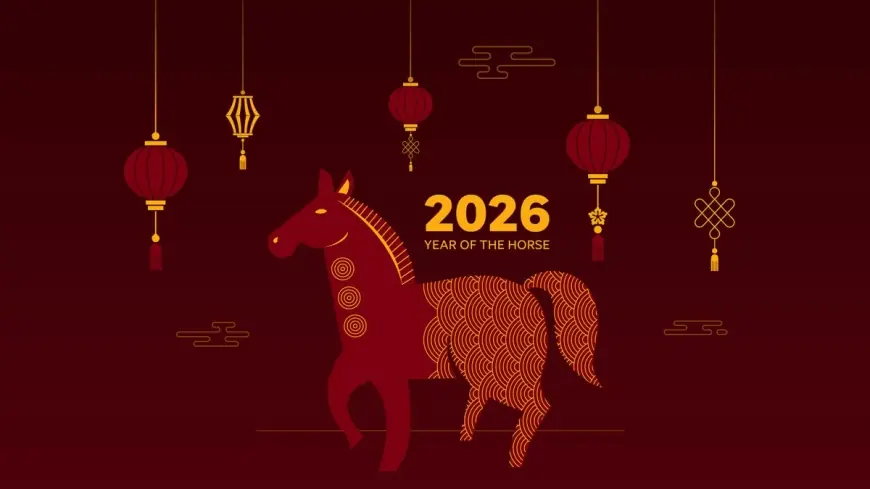
The lunar new year officially begins on Feb. 17, 2026 (ET), ushering in the Year of the Horse and a two-week festival of family rituals, public pageantry and an array of modern surprises. Communities across Asia and around the world marked the transition with temple prayers, fireworks, light displays and cultural performances that fused centuries-old customs with cutting-edge technology.
What the Year of the Horse means and how communities prepared
The Year of the Horse, which last occurred in 2014, is traditionally associated with mobility, energy and independence. The festival period runs for 15 days, beginning with the new moon and concluding with the Lantern Festival on March 3, 2026 (ET). In many regions, an official public holiday stretches from Feb. 17 through Feb. 23, 2026 (ET), allowing extended family gatherings and travel.
Preparations followed familiar rhythms: thorough home cleaning to sweep away bad luck from the previous year, settling outstanding debts to start anew, and decorating with spring couplets and red lanterns. On New Year’s Eve morning, many families visited ancestral tombs before returning for the reunion dinner, commonly regarded as the year’s most important meal. Regional menus vary — dumplings and noodles are staples in northern kitchens, while rice cakes and southern specialties dominate other areas — but the emphasis is universal: abundance, togetherness and auspicious symbolism.
Rituals at temples were solemn and highly visible. Devotees lit incense and bowed in long lines; in one capital, a temple bell rang 108 times at dawn — a number considered auspicious — as worshippers offered flowers and wishes for the new year.
Festivities go global: fireworks, light shows and robots
Public celebrations blended traditional spectacles with large-scale modern production. Fireworks and synchronized light shows illuminated bridges and skyscrapers while dragon and lion dances, martial arts demonstrations and pop concerts filled public squares. Cities from Southeast Asia to South America hosted outdoor countdowns and parades with thousands in attendance.
One striking theme this year was the prominence of humanoid robots in televised gala performances and stage productions. Robots joined children in choreographed martial arts sequences, demonstrating increasingly fluid movement and, at times, even wielding prop swords for brief theatrical moments. These appearances highlighted a national push toward more sophisticated robotics and artificial intelligence, and they provided a futuristic complement to the festival’s traditional elements.
International celebrations echoed the holiday’s reach: seaside promenades and snowy streets were strung with red lanterns in northern cities, while overseas Chinese communities staged elaborate dragon dances and martial arts showcases in Chinatowns and cultural centers far from the lunar calendar’s origins.
Feng shui forecasts and practical advice for the new year
Feng shui practitioners offered guidance tied to the Horse’s symbolic traits, emphasizing movement, opportunity and the need to balance bold choices with measured planning. Typical forecasts encouraged a focus on mobility — whether in career moves or travel — while advising people to temper impulsiveness and protect long-term relationships and finances.
Practical tips circulated widely: refresh personal living spaces to invite positive qi, prioritize communication with family members ahead of reunions, and observe customary etiquette such as giving red envelopes and avoiding sweeping on the first day so as not to sweep away good fortune. Public messaging in many communities also underscored safety: manage fireworks responsibly, respect crowd controls at large events and plan travel around holiday peaks.
As the Lantern Festival approaches on March 3, 2026 (ET), cities will shift from reunion dinners and prayers to lantern displays, riddles and brighter street-level celebrations — a closing gesture that ties ancient rituals to contemporary public life and underscores how the lunar new year continues to evolve while remaining deeply rooted in tradition.