
























Iran Explores Energy, Mining, Aircraft Deals in US Negotiations

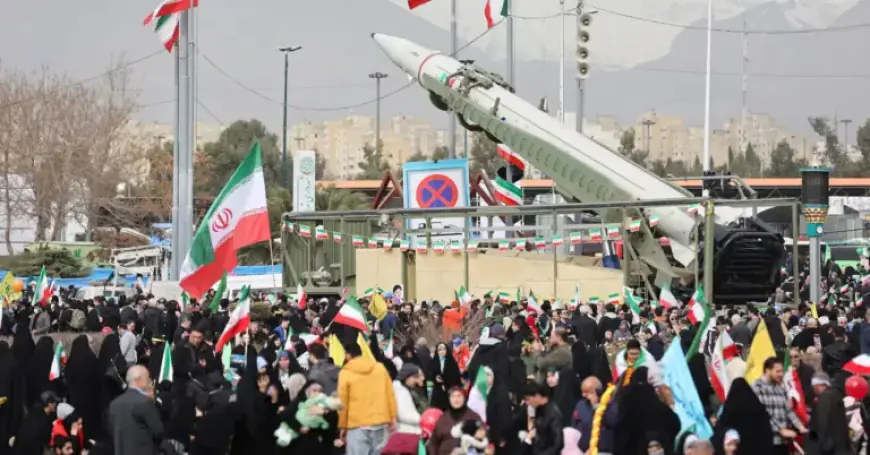
Iran is poised to engage in further discussions with the United States, focusing on a variety of economic and diplomatic issues. These negotiations are set to take place in Geneva, with significant implications for both nations. Central to these talks is Iran’s pursuit of an agreement that delivers mutual economic benefits.
Upcoming Negotiations in Geneva
The scheduled talks in Geneva will involve a U.S. delegation led by envoys Steve Witkoff and Jared Kushner. They aim to address the longstanding dispute over Iran’s nuclear program. Following the U.S. withdrawal from the 2015 nuclear deal, tensions have escalated, prompting renewed negotiations earlier this month.
Flexible Diplomatic Stance
Iran’s Foreign Ministry has indicated a willingness to negotiate substantial economic agreements. Deputy Director Hamid Ghanbari mentioned that discussions would touch on various sectors, including:
- Oil and gas cooperation
- Joint mining projects
- Aircraft purchases
These areas represent potential opportunities for economic gains, essential for ensuring the agreement’s durability, Ghanbari emphasized.
The Context of the Negotiations
Since the U.S. reimposed sanctions in 2018, following its exit from the nuclear agreement, the Iranian economy has faced significant challenges. Senior Iranian officials have suggested that Iran could consider diluting its enriched uranium stockpile in exchange for some sanctions relief. However, Iran firmly rejects any proposal for zero uranium enrichment, pointing to its right to develop nuclear energy.
The Stakes of Concessions
The upcoming negotiations also take place against a backdrop of military posturing. The U.S. has strengthened its military presence in the region by deploying an additional aircraft carrier. This follows Iranian threats to target U.S. bases should hostilities escalate. In this tense atmosphere, both nations recognize the necessity for dialogue.
Regional Dynamics and External Influences
Iran views the negotiations as crucial not just for its own interests, but also for U.S. economic benefits. The discussions are mediated by Oman and differ from the multilateral nature of previous talks. Iran’s signal to compromise reflects its strategic aim to stabilize its economy while navigating complex geopolitical pressures.
As the negotiations unfold, the focus will remain on whether both sides can reach an agreement that satisfies their economic needs while addressing nuclear concerns. This engagement could pave the way for a shift in U.S.-Iran relations, with broader implications for regional stability.