
























Congresswoman Angela Vergara Demands Humanitarian Flights as Her Son and Dozens of Colombians Remain Detained in U.S. Immigration Centers

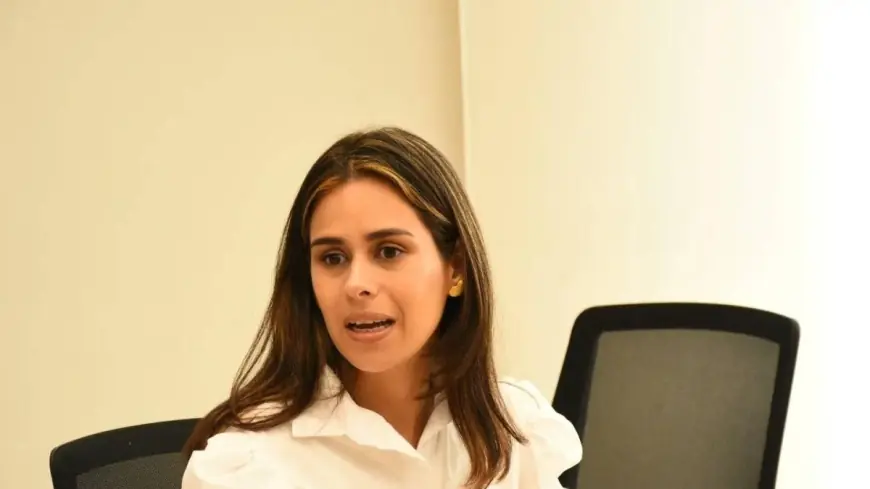
Colombian lawmaker Angela Vergara has escalated a formal plea for government intervention after her son was detained by U. S. immigration authorities. In a letter to top officials dated February 14, 2026 (ET), Vergara requested coordinated humanitarian repatriation that she says is urgently needed for Colombians who remain in detention despite having resolved parts of their legal processes.
Personal plea highlights broader migrant detention concerns
Vergara’s appeal blends her role as a legislator with a personal crisis: she identified her son, Manuel Alfonso Vergara, as one of the Colombians held in U. S. custody. The congresswoman has said he entered the country legally, held a work authorization and social security number, and had an asylum hearing scheduled for 2028. She has publicly described his detention as lasting 18 days and characterized the conditions as harsh, leaving families with profound fear and uncertainty.
In statements she conveyed in her formal communication, Vergara stressed that her son had no criminal record and had not committed even a minor traffic offense. She framed his experience — restrained and held in damaging conditions — as part of a larger humanitarian problem affecting Colombians abroad, urging that the state cannot remain indifferent while citizens wait to return home.
Three-pronged plan seeks immediate and durable solutions
In the petition to the executive branch, the foreign ministry and the armed forces, Vergara outlined three specific proposals. First, she requested coordination of a humanitarian flight supported by the national air force to repatriate groups of Colombians who are legally eligible to return. Second, she proposed engaging commercial carriers as an alternative avenue for those who can afford tickets, with consular oversight to ensure safe transit. Third, she urged opening strategic dialogue with U. S. authorities to streamline repatriation procedures and cut bureaucratic delays that prolong detention.
Her letter emphasizes the emotional toll on families left in limbo and frames repatriation as a duty of the state to protect its nationals. The congresswoman pointed to what she called a ‘martyrdom’ experienced by those unable to promptly return, arguing that prolonged confinement after legal cases are resolved is both unjust and avoidable.
Context: detention patterns and recent repatriation efforts
The Vergara case arrives amid continued scrutiny of immigration detention practices. Research estimates that a substantial portion of people held in U. S. immigration facilities have no criminal convictions, a point underscoring why lawmakers and family advocates are calling for faster repatriation where legal barriers have been cleared.
Diplomatic repatriation efforts have been active in recent months. The national government resumed organized flights from the United States at the end of January 2026, assigning the air force to manage a series of return trips. Officials have indicated those operations are part of a broader effort to manage migratory flows and respond to humanitarian needs, but critics say ad hoc or limited schedules leave many still stuck in detention for prolonged periods.
Vergara’s petition asks authorities to scale those capacities and to consider a combined approach — military logistical support for group flights, commercial options for individuals, and bilateral engagement with U. S. agencies — with the goal of expediting safe, dignified returns.
As the situation develops, the lawmaker’s message to the state is clear: urgent, organized action is required to bring Colombians out of detention and back home. Her case, personal and public, may increase pressure on officials to expand repatriation mechanisms and to seek faster resolutions for nationals awaiting transfer.