





















Rupert Lowe launches Restore Britain as national party, vows to contest Great Yarmouth again

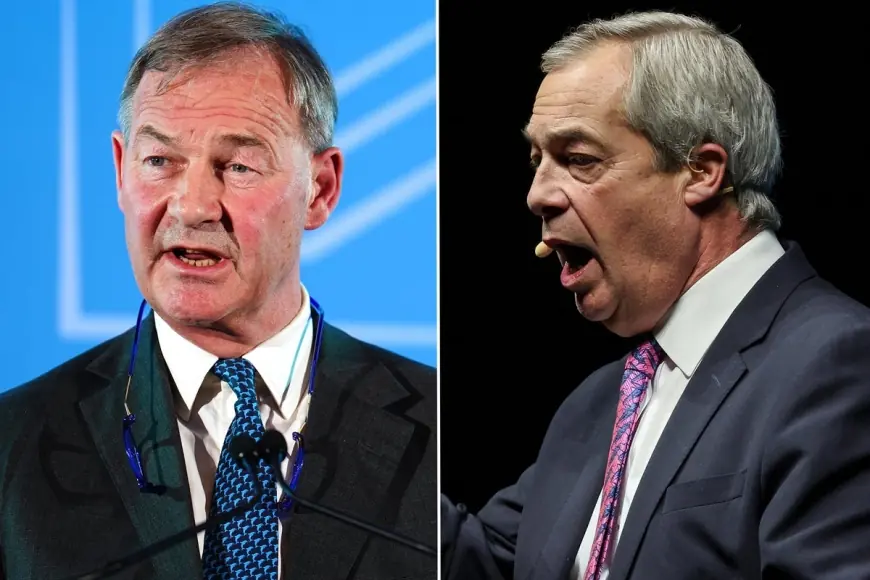
Rupert Lowe, the Great Yarmouth MP who left his former party last year and now sits as an independent, has formally launched Restore Britain as a national political party. Speaking on Friday night (ET), Lowe said the new formation will act as an umbrella for locally based groups and signalled he will stand again in his Norfolk constituency under a partnered local banner.
From movement to national party
Restore Britain began life as a political movement Lowe created after his suspension from his former party last March. That suspension followed allegations of threats toward a party official; prosecutors later concluded there was insufficient evidence to provide a realistic prospect of conviction.
Lowe said the switch from movement to party was intended to give a platform to local initiatives and to unite smaller, community-focused parties under a single national identity. He specifically highlighted Great Yarmouth First, a local grouping he helped form, which will partner with Restore Britain for any future parliamentary bid in the constituency he currently represents. Lowe, a businessman and farmer who previously chaired a professional football club, framed the move as a response to what he sees as a widening gap between mainstream politicians and voters in towns like Great Yarmouth.
Allies, departures and political positioning
The new party launch has prompted a re-evaluation among several high-profile individuals who had been connected to Lowe's earlier movement. Two senior figures who had been advising the project are understood to be stepping away following its elevation to party status. Lowe retains a mix of public supporters and critics, and elements from the right of the political spectrum have expressed interest in alliances or mergers with the new grouping.
Online platforms and prominent private backers have amplified some of Lowe’s messages, and a number of right-leaning grassroots activists have embraced his rhetoric. At the same time, commentators and local political operatives describe Lowe as a maverick who is outspoken and often at odds with party hierarchies. Private polling shown to both Labour and Lowe’s team suggests he could be competitive in his home seat if an election were held now, those familiar with the data.
Implications for local and national politics
Restore Britain’s arrival adds another potential challenger on the right at a time when the political landscape is fragmented. For the Great Yarmouth area, a coordinated campaign between Lowe and his local partners could alter vote dynamics, particularly where margins are narrow. Nationally, the new party may attract voters disillusioned with established options on the right, increasing the risk of vote-splitting in tight constituencies.
Lowe insisted his party will prioritise independence of thought and closer ties to communities, arguing that national politics has become disconnected from everyday concerns. Critics warn that the formation of another right-leaning party could fragment support and create fresh unpredictability ahead of the next general election.
For now, Restore Britain’s immediate focus appears to be building networks with local groups, recruiting candidates for council seats where possible and preparing a campaign for the next parliamentary contest in Great Yarmouth under the Great Yarmouth First partnership.