

























Pam Bondi Departs, Leaving Challenges for Democratic Successor

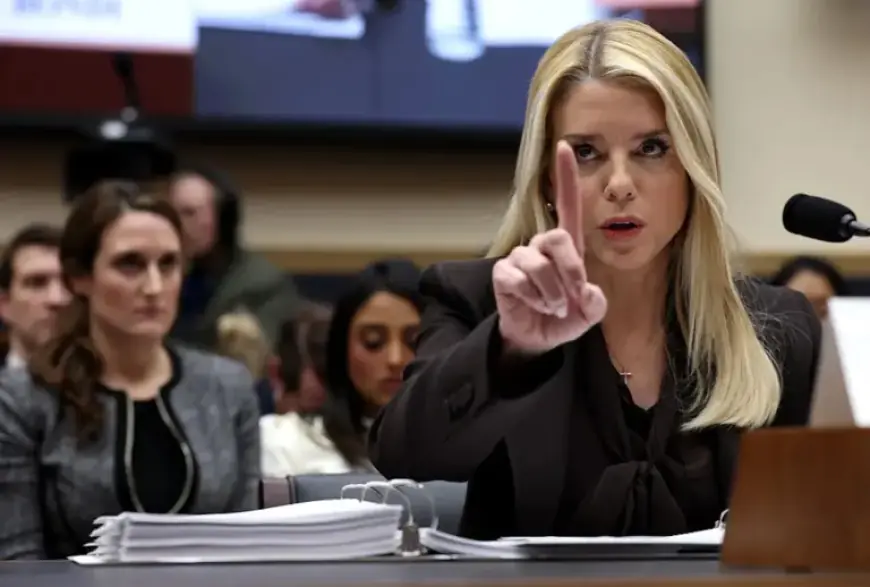
Pam Bondi’s recent testimony before the House Judiciary Committee has raised significant concerns about the future of the Justice Department. Known for her close alignment with Donald Trump, Bondi displayed a combative demeanor that some observers considered unprofessional and a reflection of the current administration’s chaotic nature.
Pam Bondi’s Departure: Challenges Ahead for Her Successor
As Bondi departs, she leaves behind a Justice Department in disarray. The next Democratic-appointed attorney general must navigate a series of challenges and reforms to restore faith in the department’s integrity and independence. This incoming leader will be expected to uphold ethical guidelines and implement necessary regulations to counter the declining standards observed during Bondi’s tenure.
The Mess Left Behind
- Hundreds of career prosecutors have either been dismissed or have resigned.
- New appointees lack the necessary qualifications, raising concerns about their loyalty to the judicial process.
- The morale among Justice Department staff is reported to be at an all-time low.
Reflecting on the evolution of the role, the office of the attorney general once commanded great respect and was seen as a pillar of justice. Previous administrations, particularly following the Watergate scandal, sought robust reforms to safeguard against political interference.
Historical Context of Attorney General Reforms
Past reforms resulted from considerable public outcry over executive abuses of power. Notable events, such as Richard Nixon’s attempts to obstruct justice during Watergate, prompted legislative changes aimed at insulating the Justice Department from presidential influence. The Ethics in Government Act of 1978, which established the Office of the Independent Counsel, exemplifies these efforts.
Several administrations, from Gerald Ford to Jimmy Carter, worked towards reinforcing the norms surrounding the office. Ford’s attorney general, Edward H. Levi, initiated crucial reforms to reinforce the department’s integrity. Carter furthered these efforts by instituting oversight mechanisms to curb executive excess.
Looking Forward: Proposed Reforms
As the Democratic Party prepares for a potential takeover of the Justice Department, calls for reform echo from various congressional leaders. Proposals include:
- Limiting the president’s pardon power and business interests.
- Enhancing protections for journalists and whistleblowers.
- Strengthening the authority and independence of special counsels.
Bipartisan discussions have also highlighted the need for new limitations on a president’s use of national emergency declarations and increased protections for inspectors general. With the judiciary poised to empower the executive branch, successful implementation of these reforms is crucial.
The Road Ahead
In conclusion, the challenges facing Bondi’s successor are profound. If the incoming attorney general fails to restore the ethical framework of the department, the implications could be dire. The opportunity to prevent future abuses of power must not be squandered, as stronger safeguards are essential to maintaining the integrity of the office and upholding the rule of law.
For more analysis on the Justice Department and its future, visit Filmogaz.com for in-depth coverage.