






















Why James Van Der Beek and his family needed help to pay soaring medical bills

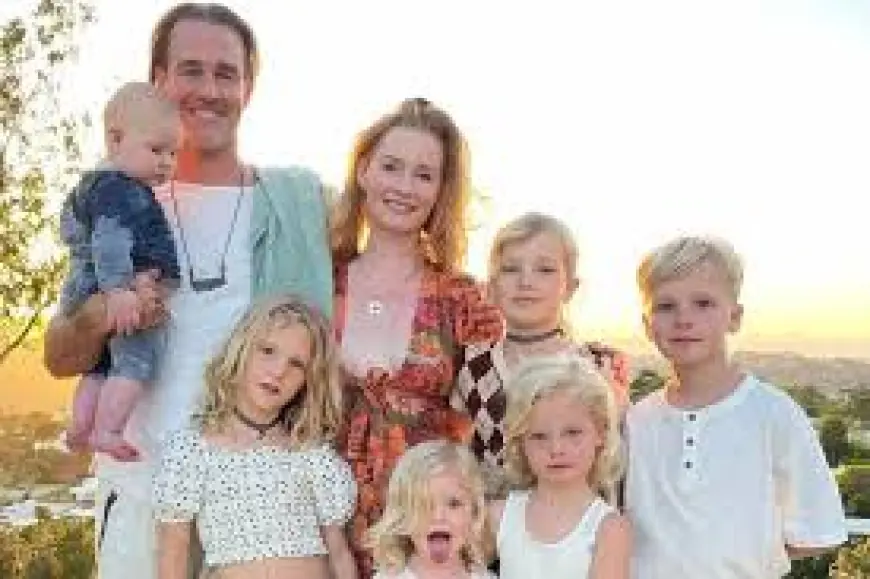
James Van Der Beek, the actor who rose to teen superstardom in the 1990s, died on Wednesday, Feb. 11, 2026 (ET) at the age of 48 after a three-year battle with colorectal cancer. In public comments in recent months his family described mounting medical expenses that outstripped their savings and left them relying on fundraising, auctions of personal memorabilia and public appeals to avoid losing their home.
Old contracts and missing residuals shrank a once-lucrative income stream
Van Der Beek’s experience highlights a problem faced by many performers whose peak careers predated the streaming era’s reshaped pay structures. He has said in past interviews that early contracts on the show that made him a household name paid him very little up front and carried no meaningful residuals — the payments that actors typically receive when shows are re-aired or monetized. That lack of long-term payments left him without a steady backstop of income that other stars from the same era have been able to rely on.
Over the decades, revenue streams that once supported working actors have changed. The shift toward streaming and away from traditional reruns has reduced some recurring payments, while production models and negotiation leverage have shifted. Van Der Beek continued to work after his diagnosis, including camera time in 2025, but those short-term roles often do not recreate the kind of steady residual income that might have cushioned the financial shock of major medical care.
Treatment costs, auctions and a public plea for help
Cancer treatment is expensive, and the costs of surgeries, ongoing therapies and supportive care can quickly exhaust savings. Facing that reality, Van Der Beek and his family took several steps to raise funds. He publicly auctioned items he had kept from early roles — including a shirt worn in the debut episode of his breakout series, a necklace tied to a key character relationship and a pair of sports shoes from a popular 1999 film he starred in — saying he hoped those pieces could help his family weather unexpected financial strain.
When those efforts still left a gap, his wife made a public appeal seeking donations to prevent the family from losing their home. The fundraising drive raised several million dollars in a short period, a sign of wide sympathy and support. But the need for donations underscored how even familiar names can find themselves financially vulnerable when long-term medical needs arise.
Why industry health rules can leave gaps
Health insurance for working actors can depend on meeting specific earnings or days-worked thresholds tied to union eligibility. Those thresholds — which require a defined minimum of work days or qualifying income on union-sanctioned projects — are meant to ensure collective benefits for regular contributors. For performers who patch together occasional jobs, short stints or smaller roles, meeting those benchmarks can be difficult, leaving them exposed to market-rate medical costs and coverage gaps.
Van Der Beek’s situation is not unique. Other well-known performers have previously faced similar struggles when serious illness came with unexpected bills. The combination of high medical costs, limited residual income and variable access to employer-style health protection can quickly drain household finances, even for families that enjoyed periods of significant success.
The public response to Van Der Beek’s plea — donations and bids on auctioned memorabilia — illustrates how communities can mobilize in moments of crisis. It also raises broader questions about how the entertainment industry and the health system handle long-term illness for freelance and irregular employees. For Van Der Beek’s family, charitable support provided immediate relief; for the industry, the episode is another reminder that visibility and past fame do not always translate into financial security when medical emergencies strike.
James Van Der Beek’s case has renewed conversation about contracts, residuals and protections for people who work intermittently in creative fields, and it provides a stark example of the gap between celebrity recognition and the practical realities of affording prolonged medical care.