
















Sean Hayes’ One‑Person Thriller 'The Unknown' Opens to Strong Notices; Twisty Finale Divides Critics

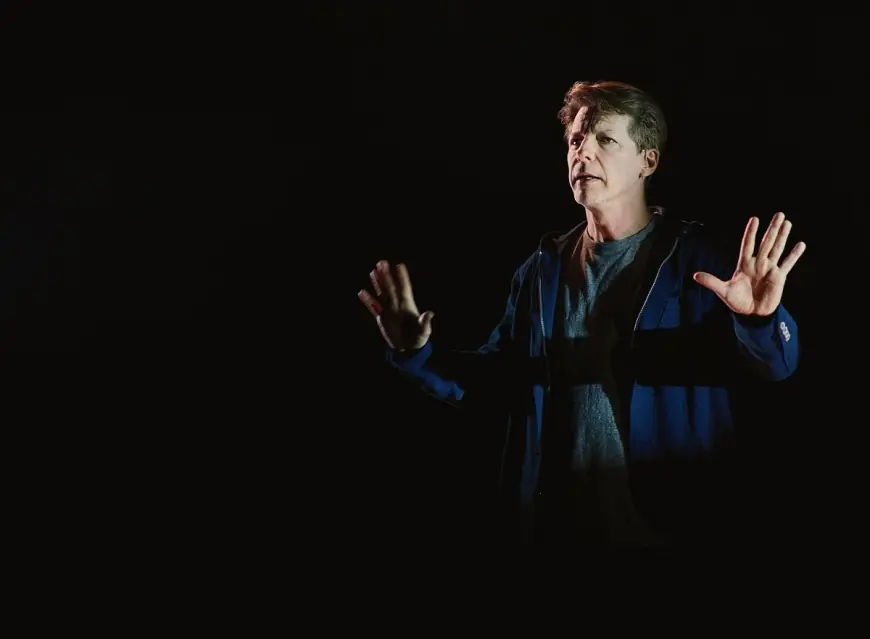
Sean Hayes has returned to the stage in a high‑stakes, one‑person thriller that opened February 12, 2025 (ET) at Studio Seaview, and early reviews praise his nimble, shape‑shifting performance even as some critics question the play’s final turn. The 75–80 minute piece from playwright David Cale folds meta commentary into classic stalking suspense, and audiences attending the run through April 12 have been left both unsettled and impressed.
Hayes’ performance wins near‑universal acclaim
Critics responding to the premiere have homed in on Hayes’ control and charisma. Tasked with carrying an uninterrupted ninety‑minute block of storytelling and playing more than a half‑dozen distinct figures, he anchors the evening with a mix of warmth and creeping unease. Reviewers point to his recent stage work as context for the performance, noting that Hayes can move from comic affability to dramatic intensity in a heartbeat—an essential skill in a solo thriller where pacing and persona shifts are everything.
Direction and design received positive notices as well; the production pares the stage to essentials and leans on oblique lighting, layered soundscapes and an unsettling original score to sustain tension. Those elements were credited with amplifying the eeriness of the material and letting Hayes’ character work sit front and center.
Plot mechanics and the final twist prompt debate
David Cale’s script tracks Elliott, a playwright‑composer battling writer’s block, who accepts a retreat at friends’ remote cabin only to be unnerved by an unknown voice singing a song he wrote. The story escalates into a stalking narrative that spills back into the city and picks up enigmatic players along the way. Reviewers praised the piece as a clever exercise in identity, theatrical sleight‑of‑hand and live suspense—yet several critics signaled skepticism about the play’s logic once the full scheme is revealed.
Some found the concluding revelation unsatisfying or hard to reconcile with earlier beats; others argued that the emotional and atmospheric delivery overrides any lapses in plot mechanics. Either way, the production’s unpredictability is part of its design, with meta elements—most notably a moment in which film casting is discussed inside the play—intended to blur the line between performance and reality.
Stage piece hints at screen potential—and unexpected casting chatter
Because the play toys with cinematic tropes and even name‑drops a possible film star during a character pitch, observers are already noting its screenable qualities. The script’s tight runtime, its twists and the vividly drawn central performance all lend themselves to adaptation talk. Speculation about who might headline a future screen version has surfaced in conversation among theatergoers and critics; some have imagined dramatic‑comedic actors who can also handle darker material stepping in, with names such as jason bateman floated as examples of the kind of star whose blend of dry humor and dramatic instincts could suit the material.
For now, the focus is on Hayes’ stage work: audiences have a limited window to catch the production in New York, and demand for tickets has been brisk since the opening. Whether or not the play’s final gambit convinces every viewer, the consensus is that Hayes has delivered a compelling, watchable performance that makes The Unknown a theatrical event worth debating—exactly the kind of polarizing piece that keeps live theater in the conversation.
The run continues through April 12, 2025 (ET) at Studio Seaview.