
























‘Love Story’ Recreates a Tragic Romance

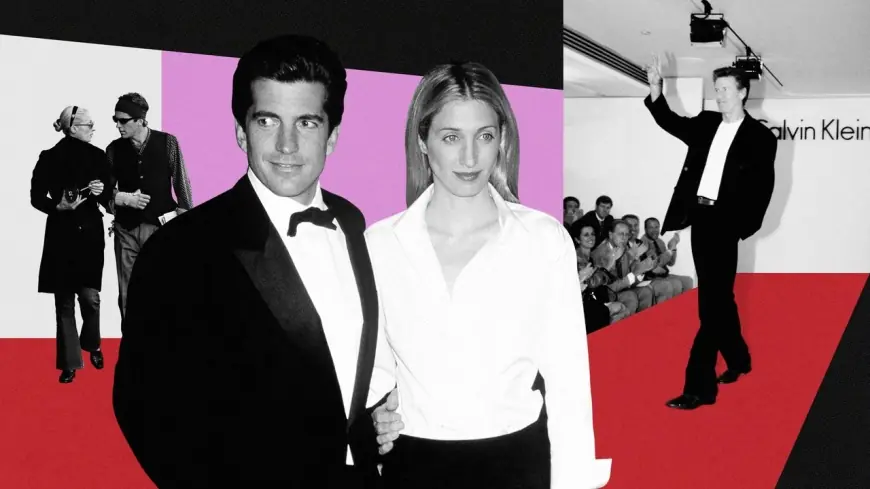
Ryan Murphy’s latest anthology installment dramatizes the brief, intensely scrutinized romance between John F. Kennedy Jr. and Carolyn Bessette, opening on the couple’s fatal flight and then retracing the years that made them a tabloid obsession. The series, created by Connor Hines and inspired by Elizabeth Beller’s book about Bessette, aims to balance glamour and grief even as it invites renewed debate about who gets to tell this story.
How the series frames a well-known tragedy
The drama begins with a prologue that places viewers on the tarmac the day of the crash that would claim both lives, then moves backward to chart the arc of the relationship. The timeline centers on the couple’s meeting in 1992, their 1996 marriage and the mounting public attention that followed. Rather than dwell on extended back stories, the series collapses events into a portrait of two people under relentless scrutiny: an heir to a political dynasty whose childhood was lived in public, and a fashion professional whose spare elegance made her an object of fascination.
Creators frame the narrative with a confident shorthand of 1990s Manhattan—media, fashion and society scenes are often assumed rather than explained—so viewers familiar with the era will recognize the cultural references and social codes. The production leans into the paradox that made the couple famous: intimate, understated personal style against the glare of a celebrity apparatus that never really let them be private.
Casting, tone and creative choices
Performances drive the series’ attempt at intimacy. Sarah Pidgeon plays Carolyn Bessette and Paul Anthony Kelly portrays John F. Kennedy Jr.; Sydney Lemmon appears as Carolyn’s sister Lauren and Constance Zimmer as her mother Ann. The casting aims to evoke both public images and private contradictions—Bessette’s deliberate, minimalist wardrobe and Kennedy’s complicated pedigree as both tabloid fixture and serious professional are shown with attention to detail.
The show does not shy from biographical shorthand. It references Kennedy’s childhood in the national spotlight, his high-profile media persona in adulthood and his turn from law to magazine publishing. Bessette’s rise from retail sales to a senior role in fashion public relations is sketched to explain how she came to move in circles that intersected with Kennedy’s world. Visually and narratively, the series favors elegiac moments—small domestic gestures, runway-like compositions and repeated reminders of a journey that ends in loss.
Reaction, ethics and the question of ownership
The premiere has provoked a mixed response even before some viewers have finished the first episode. For many, the attraction of the subject is inseparable from the tragedy at the center of the story: the image of a small plane crossing the Atlantic off Martha’s Vineyard remains a potent, final moment in the public imagination. That lingering image is also why dramatizing these lives invites fierce questions about taste and profit.
A member of the extended family publicly criticized the decision to dramatize the couple’s relationship, calling it a profiting from a personal tragedy. The series’ creator and producers have engaged with that pushback in interviews and on public platforms, where their comments have sometimes deepened the dispute rather than defusing it. Other commentators have taken a broader view, arguing that the new installment fits a pattern of recycling celebrity grief into melodrama and asking who gets to control the narrative around famous families.
At the same time, some viewers and critics find the show compelling for its blend of glamour and mourning: a dramatized attempt to reckon with affection and loss, and with the consequences of living one’s life in public. Whether the series will be judged as a sensitive elegy, a formulaic retelling or an exploitative exercise remains likely to be decided by audiences and the family members who feel most close to the events depicted.
The series opens on Thursday; viewers will quickly learn whether the dramatization delivers new insight into the couple’s private life or simply reanimates familiar images of Camelot-era glamour filtered through 1990s style and relentless media attention.