




















Stephen Curry-Backed Goat Movie Hits Theaters, Turns Basketball Into High-Stakes 'Roarball'

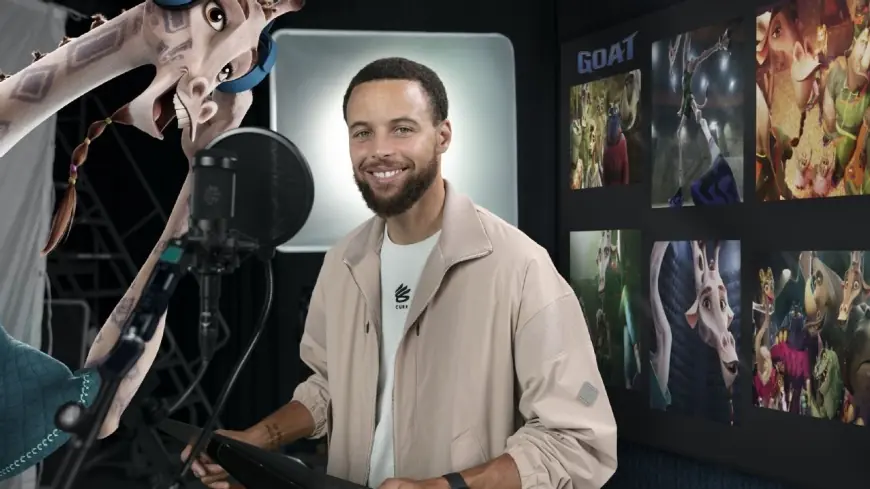
After more than seven years in production, the animated goat movie GOAT opens in theaters this week, delivering a bold reimagining of the sport that inspired it. Executive-produced by Stephen Curry and directed by Tyree Dillihay, the film blends underdog storytelling with hyperkinetic game sequences that push the boundaries of family animation.
From underdog tale to towering spectacle
GOAT follows Will, a small but determined goat voiced by Caleb McLaughlin, who dreams of playing in the big leagues. The plot channels the essence of an underdog journey: a compact protagonist overlooked because of size, who must prove his worth in a world built for bigger competitors. Dillihay framed the story as a celebration, noting that premiere day felt like a milestone after years of work.
The film recasts basketball as "roarball, " a sport that amplifies physicality and imagination. Courts are stretched and rethought—rims soar to 15 feet, playing surfaces vary from red clay threaded with living roots to icy arenas in polar regions—and players can switch between two legs and four, using claws, paws, hooves, tails or wings. Those shifts create visuals that are part sporting event, part action set piece, where the rules bend to heighten stakes and spectacle.
Real basketball craft meets animated invention
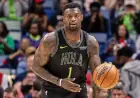
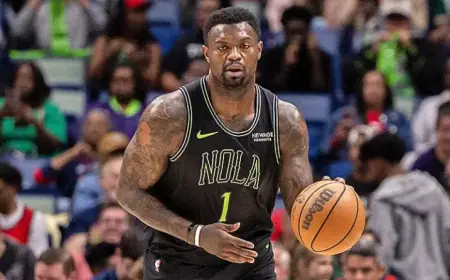
Though populated by animals, GOAT's on-court sequences were built with attention to genuine basketball detail. Dillihay said he consulted closely with Stephen Curry to shape footwork, spacing, momentum and other subtle elements of the game. Curry also lends his voice to one of the players, bringing a recognizable cadence to the film's athletic scenes.
Contributions behind the scenes extend to play design as well. Andre Iguodala, a former teammate of Curry's, walked the directors through realistic plays; Dillihay emphasized that many sequences are grounded in real basketball concepts and reads, even if they arrive in fantastical form. The result is intended to feel authentic to fans while remaining accessible and thrilling to younger viewers encountering the sport in exaggerated, cartoonish form.
The movie's production choices reflect a deliberate hybrid: real-world basketball fundamentals translated into a larger-than-life animal league. That balance is central to the film's identity—rooted in the sport's nuances but eager to dial everything up for cinematic effect.
Reaction, style and what audiences can expect
Early responses highlight the film's visual inventiveness. The animation employs a fast-paced, textured style that turns every game into a kinetic roller-coaster sequence. Reviewers have praised the energetic redesign of sport and motion, while also warning that the relentless pace and visual intensity could overwhelm some viewers. For its part, Dillihay embraces the sensory rush, arguing that modern family entertainment can use rapid pacing as an expressive tool when handled with craft.
Beyond technical approach, the film stakes its emotional core on Will's growth and the mentorship dynamics with veteran characters. Gabrielle Union voices Jett Fillmore, a veteran player whose skepticism of the rookie shifts as Will proves himself. That arc mirrors the inspiration behind the story: the idea that smaller players can reshape expectations in a game dominated by size.
GOAT arrives in theaters this week, positioned as both a crowd-pleasing kids' film and a basketball-lover's spectacle. Whether its blend of authentic play-craft and amplified animation will satisfy both camps remains to be seen, but the movie makes a clear bid to be a new kind of sports animation—one that celebrates the underdog while turning every possession into a showstopping moment.