




















Jacob Elordi, Heathcliff and the Debate Swirling Around the New Wuthering Heights

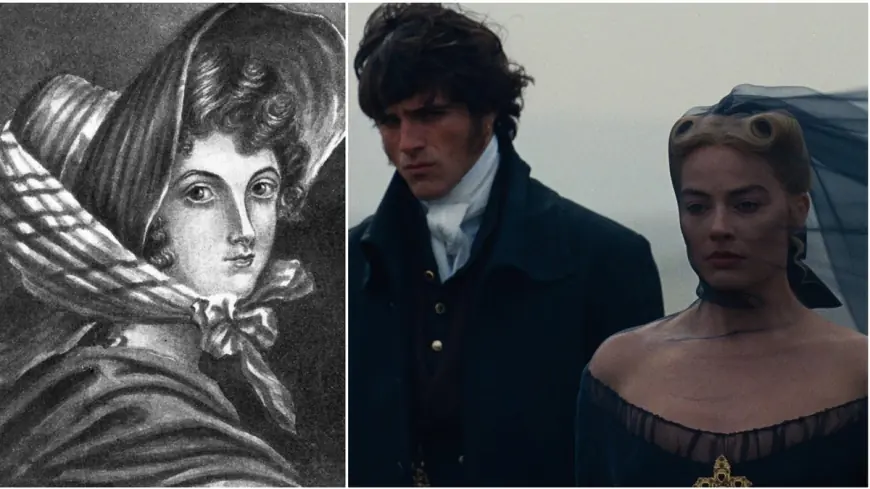
Emerald Fennell’s vivid, divisive film version of Wuthering Heights has landed in theaters and reopened a long-running debate about who Heathcliff is — on the page and on screen. The casting of Jacob Elordi in the role has drawn sharp criticism from viewers who say the film whitewashes a character often read as non-white. Scholars, critics and audiences are weighing the novel’s textual ambiguity against modern expectations of representation.
Casting contention: why Elordi’s Heathcliff drew fierce reactions
From the moment Elordi was announced as Heathcliff, some viewers voiced frustration that the choice erased a key aspect of the character many readers have understood as central: otherness tied to race. The novel contains repeated descriptors — “dark-skinned, ” “gipsy” and even the word Lascar, historically applied to South Asian sailors — that have long fueled readings of Heathcliff as a person of color or mixed heritage. Those interpretations clash with a familiar pattern in film history, where the role has frequently been taken by white actors.
Defenders of the casting point to the novel’s persistent ambiguities. Scholarly voices note that Emily Brontë never supplies a simple, settled racial biography for Heathcliff; the narrator and other characters offer competing speculations, some linking him to India or China, others gesturing toward Irishness or a general sense of foreignness. That lack of clarity has left the character open to multiple historical and critical readings — a fact that has done little to dampen contemporary expectations that major adaptations be attentive to visible diversity in casting.
What the novel actually says — and why it matters
Close readings of Wuthering Heights show passages that suggest Brontë intended Heathcliff to be read as other than white. Nelly Dean, the primary narrator, relays talk that speculates about imperial and mixed-race origins, and the text repeatedly contrasts Heathcliff’s dark features with the fairer Lintons. Some scholars draw links between Heathcliff’s origins and Liverpool’s role in maritime labor and the slave economy; others see echoes of anti-Irish caricature in his speech and outsider status.
Susan Newby of the Brontë Parsonage Museum has suggested there is a sense in the novel that Heathcliff is not plain white Anglo-Saxon, but exactly what he is remains undefined. Reginald Watson, who has examined Blackness across Brontë-era writing, argues that Heathcliff may be mixed. Elsie Michie points out an alternate line of reading that reads Heathcliff as coded Irish, noting contemporaneous attitudes and the timing of Brontë’s writing amid Irish suffering. The upshot is that the text resists any single, definitive racial assignment — and that interpretive openness is precisely what fuels modern debates when adaptations make a visible choice.
Adaptation choices, narrative cuts and critical response
Fennell’s adaptation also trims the novel’s scope: the film stops roughly midway through the book, ending with Catherine’s death and leaving out the next-generation arc that closes Brontë’s story. That editorial decision compresses the narrative to focus tightly on the Catherine–Heathcliff relationship, while also foreclosing opportunities to explore lineage, legacy and race across time — themes some readers say are embedded in the full novel.
Critical reaction to the film has been mixed. Some reviewers praise the director’s visual boldness and the central performances, while others argue the movie’s stylistic choices flatten the emotional and moral complexities of the source material, including the fraught question of Heathcliff’s identity. For many viewers, the controversy is less about fidelity in a vacuum and more about cultural responsibility: when a canonical text invites a particular reading about otherness, the decision to cast against that reading raises questions about who gets to embody certain stories now.
The current debate over Fennell’s Wuthering Heights is likely to continue as audiences dissect both the film’s aesthetics and its interpretive moves. Whether Elordi’s portrayal will shift public readings of Heathcliff or spur further adaptations that foreground other facets of the character remains an open question — just as Brontë’s novel itself resists a single, settled answer.