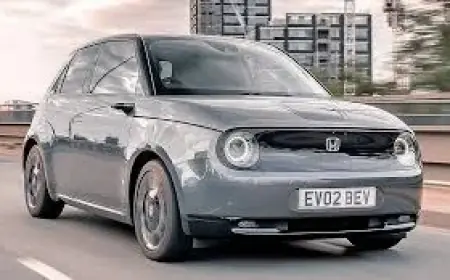

























Chinese Automakers Plan Rapid Entry into US Market

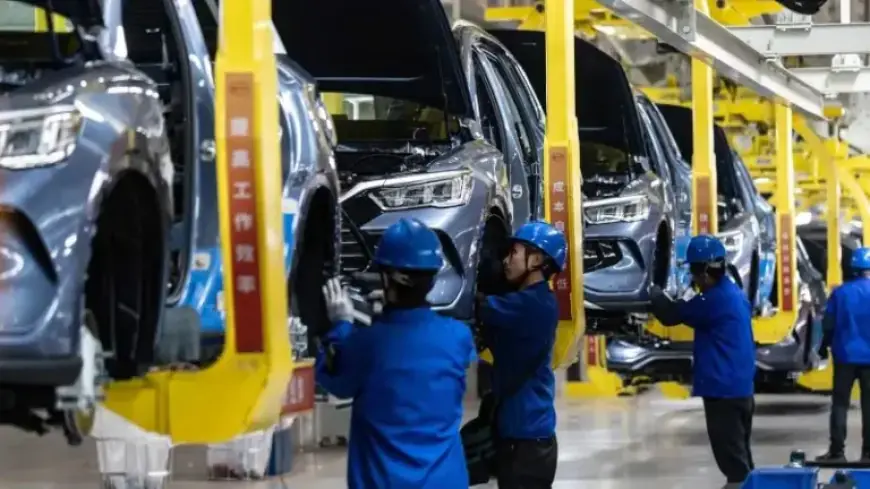
Chinese automakers are poised for a significant entry into the U.S. market, with this development set to benefit American consumers significantly. Historically, U.S. tariffs and strained U.S.-China relations have hindered the presence of Chinese vehicles in the United States. However, recent trends indicate that many Chinese manufacturers are eager to establish a foothold within American borders.
Future of Chinese Automakers in the U.S.
Experts project that Chinese car brands could appear in American dealerships within the next five to ten years. Lei Xing, an independent auto analyst, notes the willingness of various companies to build factories in the U.S., indicating a strong ambition to enter this lucrative market.
Benefits for American Consumers
The introduction of Chinese automotive competition is expected to expand consumer choices, particularly in the electric vehicle (EV) sector. As competition increases, prices may decrease, providing more affordable options for U.S. buyers. However, established brands in the U.S. could face shrinking profits and market share, which might affect the nearly one million jobs related to these companies.
Trade Tariffs and Political Landscape
Currently, Chinese cars face a steep 100% tariff when imported into the U.S., the highest rate for any foreign vehicle. President Donald Trump has expressed a more welcoming stance, suggesting that Chinese companies creating jobs in the U.S. could gain access to the market. A White House official affirmed that investments are welcome, provided they do not threaten national security.
Chinese Automotive Production Global Impact
China accounted for one-third of global automobile production in 2022, exporting over 8 million vehicles—a 30% increase compared to 2021. This shift marks China’s emergence as the largest vehicle exporter, surpassing Japan in 2023. Notably, Chinese automaker BYD has become a dominant force in the electric vehicle sector, recently leading global sales.
Key Players and Strategic Moves
- BYD: Currently the world’s largest electric car manufacturer.
- Geely: Owner of Volvo, which established a U.S. plant in South Carolina in 2015.
Geely is planning a $1.3 billion expansion of its South Carolina facility, indicating a strong intent to manufacture vehicles in the U.S. This strategic move may pave the way for the launch of Geely’s Zeekr and Lynk & Co. brands in the American market. Industry experts suggest announcements regarding Geely’s U.S. operations could emerge within the next two to three years.
Consumer Perceptions and Market Dynamics
Although there are concerns regarding Chinese brands’ reception by U.S. consumers, experts believe that American buyers prioritize value and quality over brand origin. Bill Russo, head of Automobility, emphasizes that domestic brands in China have lost significant market share due to better products from Chinese manufacturers. The competitive landscape of over 100 domestic brands in China has fueled rapid global expansion by Chinese automakers.
The potential influx of Chinese vehicles in the U.S. promises to reshape the automotive landscape, increase competition, and offer consumers more choices in a market characterized by rising car prices.