

















Love Story JF K Jr: Ryan Murphy’s Series Reignites a Fashion Myth and a Family Fight

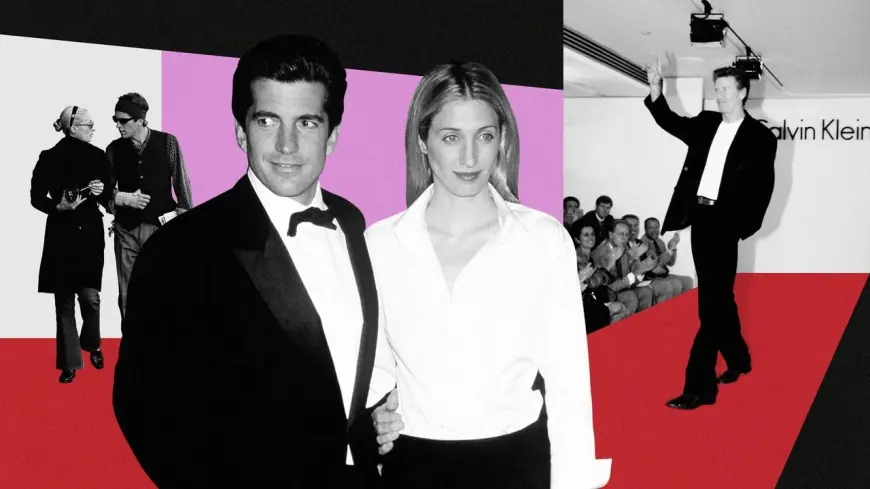
Ryan Murphy’s new installment, Love Story, landed in the cultural mix just as a major Calvin Klein runway show took place in New York — a coincidence that sharpened questions about taste, legacy and who gets to tell the Kennedys’ story. The series has been praised for nailing the look associated with Carolyn Bessette Kennedy while also prompting a fresh round of controversy from within the family.
Fashion and Fiction Collide: The Bessette Kennedy Look Returns
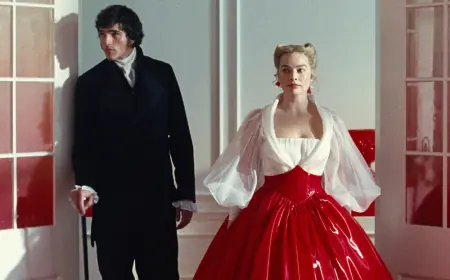
The program’s first episode leaned hard into the pared-back, late-20th-century aesthetic that made Carolyn Bessette Kennedy an icon: slip dresses, white shirts and an economy of gesture that turned restraint into charisma. Early set photos had provoked backlash online when some costume choices were judged off-kilter, but the finished episode largely persuaded critics and viewers that the wardrobe captured the era’s allure.
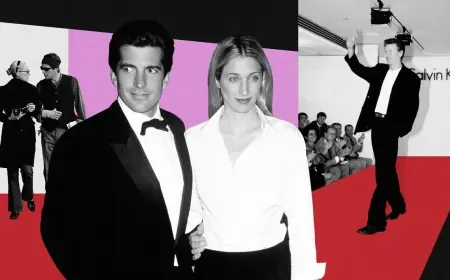
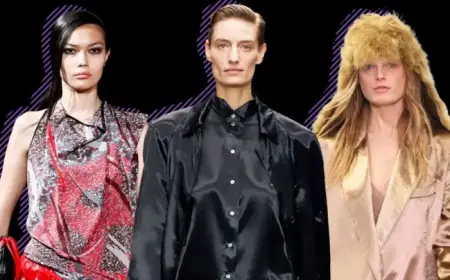
The timing of the premiere — the night before the brand’s New York show — amplified comparisons. Designers and the creative team of the house chose not to simply replicate the 1990s archive. Instead, the runway collection tilted toward an earlier moment in the brand’s history, sampling late 1970s and early 1980s references and experimenting with silhouettes: truncated sleeves and backless suiting alternated with classic racer-back tanks and unexpectedly embellished trims. The result felt exploratory rather than nostalgic, a conscious move away from the neat minimalism the series foregrounded.
That choice highlights a widening cultural conversation: when a dramatized portrait makes a particular image ubiquitous again, fashion houses must decide whether to answer with homage, reinterpretation or something deliberately divergent. The creative director’s mix of rugged tailoring and revealed underpinnings suggested both deference to and distance from the Bessette Kennedy ideal, even as stars associated with the show were visible at the event — including an actor who portrays a member of the Kennedy family.
Ownership, Memory and a Public Pushback
Beyond style debates, the series has reopened raw questions about who owns private grief. A member of the extended Kennedy family publicly criticized the production as profiting from a tragedy that left two young people dead and a family with a private loss made public. That objection has resonated with many viewers who feel that dramatizing a recent family calamity — complete with intimate details and recreated mourning — crosses an ethical line.
The showrunner’s blunt reply to that criticism intensified the dispute. What began as a conversation about creative freedom and historical interpretation escalated into a clash over respect for memory and the commercial incentives of prestige television. The emotional stakes are high: the couple at the center of the story were cremated and had their ashes scattered at sea, a detail that has fed an almost mythic aura around their disappearance and has made portrayals of them especially sensitive.
For people who grew up with the couple’s image, the dramatization feels like a reopening of old wounds; for others, it is an opportunity to revisit a cultural moment that shaped fashion and celebrity in the 1990s. Those divides are now playing out in reviews, social feeds and conversation at fashion week events.
Aftershocks and What Comes Next
Whether the series will permanently alter how the era’s style is reclaimed by designers remains uncertain. Already, several labels and capsule collections are trading on the renewed appetite for 1990s minimalism, while the house at the center of the debate experiments with an earlier aesthetic. Expect more reinterpretations and more argument: once a public image is dramatized, its cultural ownership becomes contested territory.
For now, Love Story has done what high-profile dramatizations often do — it has sharpened attention, redirected fashion conversation and reopened an unresolved family chapter in the court of public opinion.