
























ECB Expands Euro Backstop to Strengthen Global Currency Role

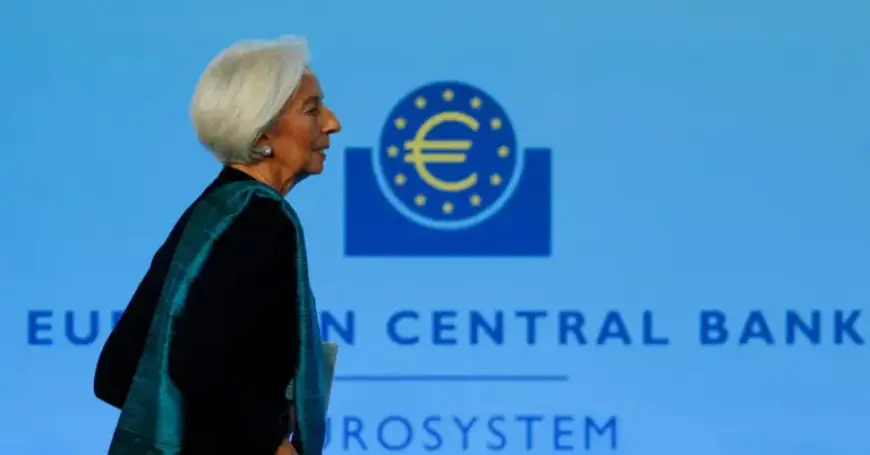
The European Central Bank (ECB) has announced a significant expansion of its euro liquidity backstop. This move aims to enhance the global role of the euro and provide permanent access to central banks globally. The new facility is set to launch in the third quarter of 2026.
ECB’s New Euro Liquidity Facility
Currently, access to the ECB’s repo lines has been restricted, primarily benefiting a select group of Eastern European nations. ECB President Christine Lagarde has emphasized the need for this facility to adapt to more volatile market conditions.
Key Features of the Facility
- Permanent access for central banks worldwide, barring reputational exclusions.
- Standing access for up to 50 billion euros.
- Designed to prevent fire sales of euro-denominated assets during crises.
Lagarde articulated the importance of this facility during her address at the Munich Security Conference, marking a historic first for an ECB president at the event. She stated, “The availability of a lender of last resort for central banks worldwide boosts confidence to invest, borrow, and trade in euros.”
Comparison to Existing Tools
The ECB’s new structure parallels the U.S. Federal Reserve’s FIMA Repo Facility, which safeguards the Treasury market. This underscores the ECB’s commitment to making the euro more resilient and attractive in the global market.
Impact on the Euro
By establishing this facility, the ECB aims to enhance the confidence of investors in euro-denominated securities. It encourages banks beyond the euro zone to increase their holdings of euro assets.
As global investors question the dollar’s dominance, particularly amidst U.S. economic uncertainties, Lagarde sees an opportunity for the euro to expand its market share effectively.
The ECB is committed to creating a more flexible and geographically expansive financial framework. These enhancements are crucial for maintaining stability and confidence in euro-denominated assets during turbulent market periods.