




















Why James Van Der Beek’s Cancer Battle Sparked a High-Profile Fundraising Push

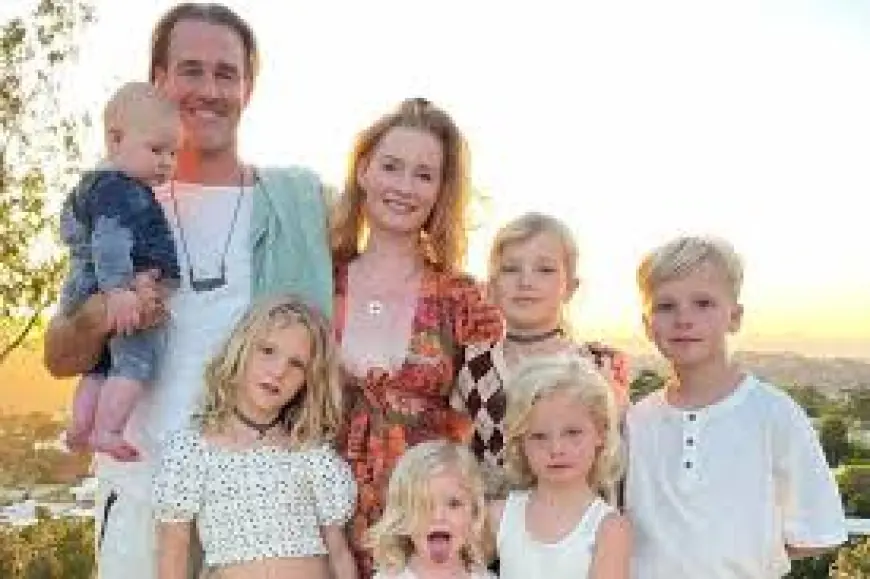
James Van Der Beek, the actor who rose to fame as a teen star, died on Wednesday, Feb. 11, 2026 (ET), after a three-year battle with colorectal cancer. The family’s decision to make a public appeal for donations underscored how costly long-term cancer care can be—even for performers who were household names decades ago.
From teen idol to mounting medical bills
Van Der Beek’s profile in the 1990s and early 2000s was emblematic of a different era in television: young actors who became cultural touchstones but often without the long-term financial security later generations of stars might enjoy. He was a lead on a widely watched coming-of-age drama that propelled him into red-carpet circuits and magazine covers, yet he later acknowledged that his contract from that era offered little in the way of ongoing payments when the show reran.
He was diagnosed with colorectal cancer three years before his death and continued to work where he could, including appearing in two episodes of a recent television comedy in 2025. But the costs of treatment and care piled up. His wife said the family faced severe financial strain and launched a public fundraising appeal to avoid losing their home. The campaign had raised $2. 3 million by the time of his death.
Selling memorabilia and the erosion of residual income
In the months before he died, Van Der Beek took the unusual step of auctioning off long-kept items from his career: a tartan shirt from his first episode on the teen drama, a necklace tied to an early storyline and a pair of shoes from a late-1990s sports film. He framed those sales as a way to turn sentimental keepsakes into immediate funds for mounting expenses.
Part of the story is contractual. Van Der Beek said he was paid “almost nothing” for his breakout role and that his early contract did not include residual payments—ongoing fees performers receive when shows are rebroadcast or exploited in new formats. For some of his contemporaries, residuals have become a major long-term revenue stream, but changes in how television is monetized have reduced those returns for many performers, especially those whose early contracts predate the streaming era.
Gaps in the safety net for performers and everyday Americans
The family’s fundraising highlighted wider issues facing both actors and ordinary households. Union-based health benefits for performers often hinge on work volume and earnings thresholds. One commonly cited pathway to eligibility requires performers to work a minimum number of days on union-covered projects or to earn above a specified amount on those shoots. For freelancers and actors whose work is intermittent, meeting those thresholds can be difficult at the best of times—and near impossible while undergoing intensive medical treatment.
The problem is not limited to performers. High medical bills and gaps in insurance coverage leave millions vulnerable to catastrophic financial strain. High-profile cases like Van Der Beek’s and other actors who have spoken about facing similar challenges have brought new attention to the intersection of health care costs, employment instability and the changing economics of entertainment.
Van Der Beek continued to speak publicly about his situation, underscoring both the personal toll of his illness and the financial realities that led the family to seek help. His death at 48 marks a sad coda to a career that began with mainstream success and later became a lens on how fragile financial security can be in an industry transformed by new business models.
The fundraiser and the auction items served as practical responses to immediate needs; they also became a public reminder that fame at one moment does not guarantee financial resilience in another.