






















Frida Baby Faces Backlash Over Sexualized Marketing Phrases

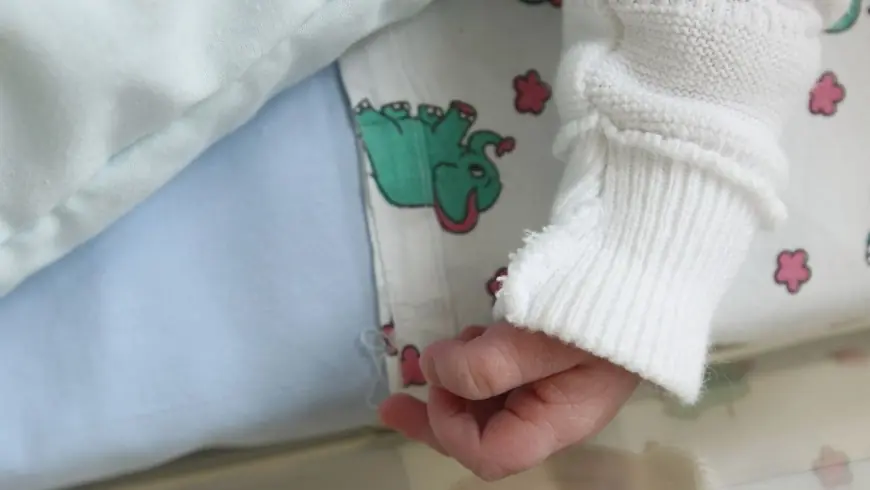
A popular babycare brand is facing intense public criticism after images circulated online showing marketing copy and product packaging that many called inappropriate. The controversy accelerated when a post highlighting the alleged slogans went viral on February 12, 2026 (ET), prompting the company to delete posts and remove some public-facing content as scrutiny mounted.
What sparked the outrage
Images shared widely on social networks showed a mix of social posts and product packaging that used sexual innuendoes alongside items intended for infants and new parents. Examples included a social post captioned, "This is the closest your husband's gonna get to a threesome, " alongside a 3-in-1 rectal thermometer; packaging bearing phrases such as "I get turned on quickly" on a humidifier; and a thermometer package reading "How about a quickie?" Other resurfaced material included an old post with a crude pun about infant nasal discharge.
Critics said the juxtaposition of explicit, sexual phrasing with babycare items crossed a line from edgy humor into tasteless and harmful territory. Within hours of the viral post, users began calling for boycotts and spotlighting archived content and product shots. Some posts linked the marketing language to specific team members listed on a company team page, and observers noted that the team page appeared to be taken offline as the backlash intensified.
People also reported that negative comments on the brand’s accounts were being hidden or removed, further fanning the controversy. The brand later shared another post that read, "Boobs, everyone loves to see them, " which drew additional criticism from commenters questioning the tone and target of the messaging.
Reactions, context and what comes next
Responses have ranged from calls for boycotts to defenses that the brand historically used blunt, irreverent language to relieve the stress of parenting and to challenge social taboos. Supporters of that approach argue the intent was to use dark or adult humor to empathize with parents facing messy realities. Detractors contend the framing was inappropriate for items marketed for infants and could be distressing for many customers.
Members of the public identified several current employees by name, including senior figures in packaging and marketing. The company’s founder, who launched the business in 2014 after bringing a Swedish nasal aspirator to the U. S. market, has not issued a formal public statement addressing the controversy. Company actions so far have included deleting older posts and disabling some website pages tied to the team and legacy content.
Industry observers say the episode underscores how quickly branding that once read as bold or subversive can become a reputational risk when archival material is resurfaced and shared widely. For customers, the incident raises questions about whether past creative choices reflect an ongoing company culture or a misstep from a previous era. For the brand, the immediate challenges are damage control, clarifying current messaging standards, and deciding whether to formally apologize or revise product labeling and campaign copy.
As of the latest public activity, the brand had not provided a comprehensive response to critics. With the story gaining traction, the coming days are likely to be critical for how the company addresses customer concerns, communicates any changes to its marketing approach, and attempts to rebuild trust among its core audience of parents and caregivers.