

























Canada’s Tourism Decline Impacts World’s Largest Economy

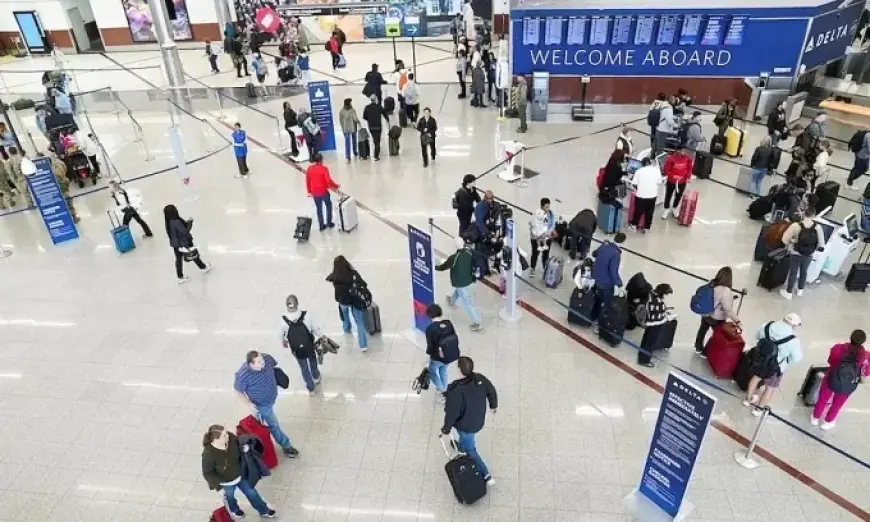
The ongoing decline in Canadian tourists is significantly affecting the United States’ tourism industry. Canadians are opting to avoid traveling to the U.S. as a result of political tensions and aggressive immigration policies. This situation is unique and highlights the current challenges faced by travel agencies and companies reliant on international tourism.
Key Statistics on Tourist Decline
- Total foreign travel to the U.S. dropped by 5.4% in 2025 through November.
- Visits from Canadians fell by 4 million, marking a 22% decrease compared to the previous year.
- Bookings by Canadians for U.S. Disney vacations have declined by 30%.
- Travel bookings for U.S. national parks from Canada saw a drastic 93% decrease.
Impact on Disney Vacations
Travel agencies specializing in Disney vacations report a notable shift. Christine Fiorelli, owner of Fairytale Dreams & Destinations, observes that many clients now prefer destinations like Disneyland Paris. This tendency is echoed by travelers from Canada, who still cherish the Disney experience but resist visiting U.S. parks.
Catherine Norris, a frequent Disney visitor, has pivoted her travel plans towards Europe instead of the U.S., reflecting a broader sentiment among Canadians. “It will probably be at least five to ten years before we will travel to the U.S. again,” she noted.
Implications for the U.S. Tourism Industry
The decline in Canadian tourism is not isolated. The World Travel and Tourism Council anticipates a 6% decrease in overall foreign visitors to the U.S. in 2025, contrasting with a global increase in tourism of 6.7%. U.S. national parks are also experiencing a downturn, with bookings suffering especially from Canadians, the U.K., and Australia.
Hotel and travel companies are feeling the impact with reduced occupancy rates and revenue. Hilton Worldwide reported declines in U.S. per-room revenue and occupancy rates in 2025. Meanwhile, Marriott International is urging government officials to adopt policies that are more welcoming to international guests.
Future Outlook
The upcoming World Cup in June could potentially change the landscape of U.S. tourism, but uncertainties remain. Recent proposals requiring social media data from travelers have raised further concerns among travel agents. Erik Hansen of the U.S. Travel Association warns that these requirements might push vacationers to consider alternative destinations.
As Canada’s decline in tourism continues to affect the world’s largest economy, the implications extend beyond Disney vacations. The overall perception of travel to the U.S. is shifting, challenging the country’s tourism industry to adapt to these changing dynamics.