






















Small Prophets — Mackenzie Crook’s magical new comedy is a pure, pure pleasure

Mackenzie Crook returns with Small Prophets, a six-part comedy that folds gentle wonder into the everyday. The series, which premiered on Feb. 9 at 5: 00 p. m. ET, has drawn praise for its warm tone, meticulous writing and a cast that turns modest moments into quietly affecting comedy.
A modest premise with fantastical heart
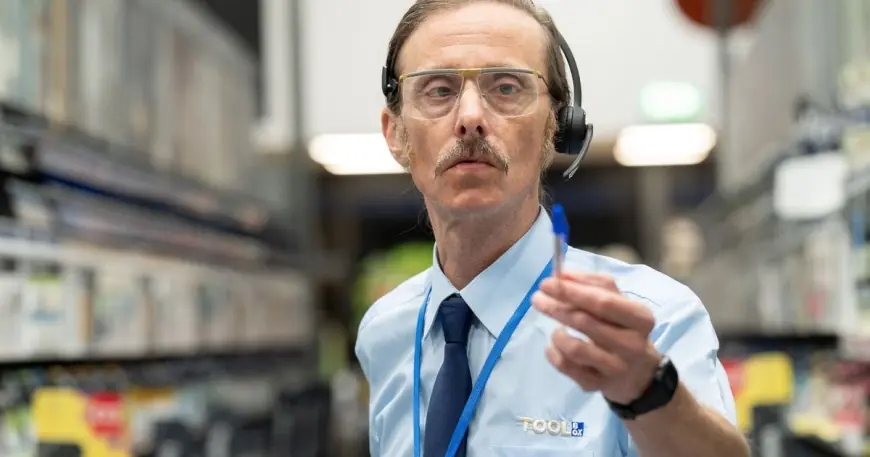
At the centre of Small Prophets is Michael Sleep (Pearce Quigley), a man whose life has been frozen since his partner Clea vanished seven years earlier. What on the surface reads like a melancholy set-up quickly unfurls into something stranger: Michael, nudged by his eccentric father Brian (Sir Michael Palin), turns to an old alchemical recipe — involving rainwater, horse manure and careful tinkering — to create tiny jarred creatures capable of predicting the future.
The setup could tilt toward whimsy without ballast, but Crook’s writing and direction keep the balance exact. The show operates with the same low-key sensibility that marked Crook’s earlier work, transplanting that slow, patient yearning for small revelations into a suburban, urban setting. The result is a sitcom that repeatedly surprises by finding the uncanny beneath the ordinary.
Cast and characters lift every scene
Casting is a consistent strength. Quigley, who appeared in Crook’s earlier series, is entrusted here with the lead and delivers a portrait of an outsider who is quietly resourceful and oddly playful. Lauren Patel is a revelation as Kacey, Michael’s young colleague and unlikely confidante; their platonic, almost Harold-and-Maude–style friendship is one of the series’ most affecting relationships.
Palin’s Brian provides equal measures of mischief and wisdom. The actor said in a radio interview that he was drawn to the show’s "humour and magic" and praised the empathy of the scripts. He described the series as filled with "good people doing very funny things, " and his performance — the actor’s first regular television role in several years — underlines that observation. Supporting turns, from a meddling neighbour to a parade of quietly memorable one-liners, add texture and genuine payoffs to small beats.
Crook’s decision to let tiny details breathe — a joke about tartan paint, an absurd shop-floor interaction, an elaborately constructed marble run — reveals an attention to human behaviour that turns simple comic ideas into moments of real tenderness. The homunculi themselves, while serving the plot, are treated less as gimmicks and more as devices to reveal character and to prod the show’s moral centre.
Places, production and a distinct regional flavour
Filmed mainly in the Greater Manchester area, the series wears its setting lightly but recognisably. Locations include a local pub used for interior scenes, a retail park that stands in for the DIY store where Michael works, and a handful of Stockport and Urmston streets and cafés that lend the show its lived-in suburbs feel. That grounded backdrop helps sell Crook’s collision of the domestic and the fantastical: the jars and recipes feel startling precisely because they sit amid such commonplace geography.
Small Prophets is both an object lesson in small-scale TV making and a character-driven study wrapped in comedy. It asks viewers to accept a premise that is part folktale, part soft sci-fi, and rewards that trust with thoughtful humour and genuine feeling. For anyone who appreciates sitcoms that favour human details over spectacle, this is television crafted with care.
Episodes unfold with a patience rare on contemporary screens: the pleasures are cumulative rather than instant, and the series makes clear that its biggest magic is the way people listen to one another. In that respect, Small Prophets is a reminder that the most fantastical things on television can sometimes be the quietest.