












Rupert Lowe launches Restore Britain as national political party

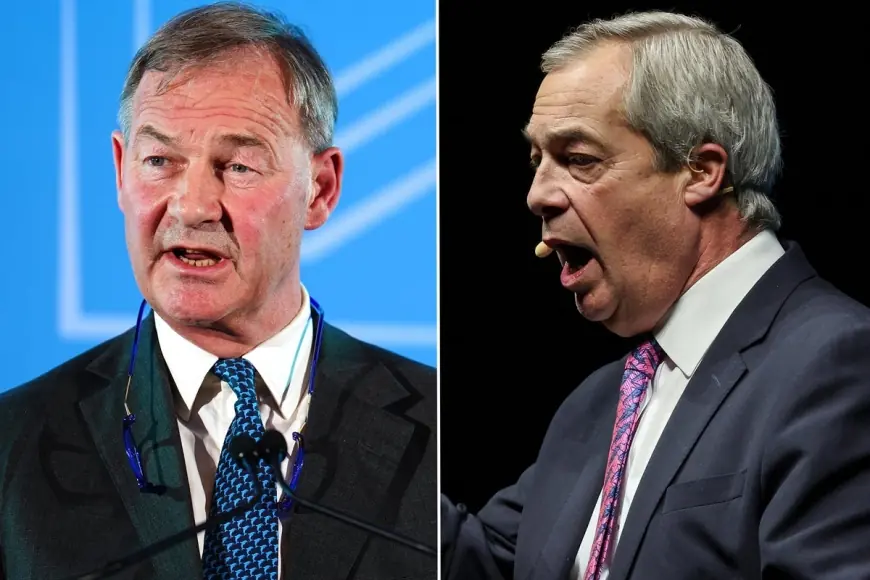
Rupert Lowe, the Great Yarmouth MP who was elected in July 2024 as a representative of a national protest party and now sits as an independent, has formally launched Restore Britain as a national political party. The move converts a previously launched political movement into an umbrella organisation that Lowe says will partner with locally based groups and contest parliamentary and local contests.
Party launch and proposed structure
Lowe unveiled Restore Britain at a Friday-night event, framing it as a national vehicle for locally rooted parties. He intends the new party to operate as an umbrella, with partner organisations retaining local identities while coordinating on national policy and election strategy. Lowe’s own local vehicle, Great Yarmouth First, is expected to be a partner and is likely to be the platform he uses if he seeks re-election in his Norfolk constituency.
Those involved in the movement’s early advisory round have included figures from the centre-right political spectrum, but a number of those advisers are reported to be stepping back now that the movement has become a formal political party. One senior Tory figure has indicated they will end their involvement in light of the change in status, and another on the advisory board is also understood to be leaving. Restore Britain’s campaign team has signalled priorities including immigration, national identity and a high-profile inquiry into historic grooming gangs.
Controversy and the backdrop to the split
Lowe’s break with his former party followed allegations that he threatened the party chairman; he has denied the allegations, calling the complaints vexatious. The Crown Prosecution Service later concluded there was insufficient evidence for a realistic prospect of conviction and no charges were pursued. The episode led to his suspension from his former party and his decision to set up Restore Britain initially as a movement before converting it into a party.
A regional political editor described Lowe as a bit of a "maverick MP, " noting his reputation for operating independently and for railing against what he sees as a disconnect between mainstream politicians and voters. Local polling shared privately with both Labour and Lowe’s team was said to show a degree of personal support for him in Great Yarmouth, although there have been no elections there since his departure from his former party to test that directly.
Political implications and next steps
By positioning Restore Britain as an umbrella for local groups, Lowe aims to avoid the immediate drawbacks of founding a standalone national party while building a coordinated electoral presence. His team argues this model can harness local activism and translate it into a wider parliamentary challenge on the right of the political spectrum. The new party will attempt to draw voters dissatisfied with the main centre-right and protest parties, pitching itself as independent of established political figures and not beholden to "failed ministers" or those "tainted by the past, " language used in launch materials.
For now, the immediate test will be whether Great Yarmouth First and Restore Britain can convert private polling and anecdotal local backing into sustained organisational capacity and vote share. With senior figures distancing themselves from the advisory board following the change of status, the party’s national reach in the short term remains uncertain. Lowe has indicated he plans to stand again in Great Yarmouth under the new banner, and observers will be watching whether Restore Britain can translate its messaging into electoral gains or instead splinter support on the right in key battlegrounds.