























Crime 101 review — a bracing, stylish heist that borrows a trick or two from Michael Mann


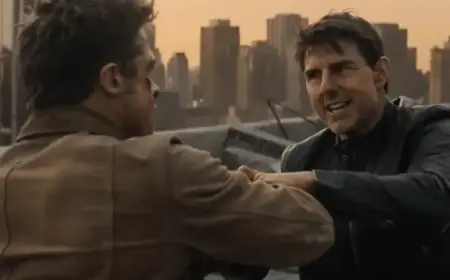
Bart Layton turns up the engine in Crime 101, a high-stakes robbery picture that pairs meticulous technique with wide-open Los Angeles grit. Anchored by Chris Hemsworth’s coolly controlled thief and a rueful Mark Ruffalo as the lone cop on his trail, the film is a lean, watchable entry in the modern heist canon that nods at Michael Mann without surrendering its own identity.
Cool precision on the wrong side of the law
Hemsworth plays Mike, a sleek, neurotic jeweller thief who treats each job like a surgical procedure. He drives blacked-out performance cars, carries Glock handguns and moves with the almost balletic calm of someone who’s rehearsed danger into perfection. Nick Nolte’s Money is the hardened mentor who shepherded Mike into a life of crime; that paternal thread gives the character a slippery moral center. The film explores the familiar one-last-job trope, but Layton stages it as the slow compression of a career criminal who’s suddenly tired of the ledger he keeps with risk and reward.
Opposite him, Ruffalo’s detective Lou Lubesnick is a wash of rumpled determination — part Columbo, part weary realist. He’s a detective with a pet theory: the robberies form a pattern along California’s Route 101. That plotted route gives the picture structural muscle and provides a tidy cat-and-mouse rhythm that keeps the audience engaged even when the action is understated rather than frenzied.
Style, mood and the Mann shadow
Layton’s film wears its influences on its sleeve. The comparisons to a certain 1995 cops-and-robbers classic are inevitable; both films luxuriate in the tools of their trades, in devotedly assembled procedures and in the slow-burning friction between two men on opposite sides of the law. But Crime 101 strips away some of the sweeping grandeur of that model in favor of a more contained, methodical mood — it’s less operatic and more hard-nosed meditation on routine criminality.
The movie’s strengths are its craft and performances. Hemsworth turns in a notably restrained turn, dialling back the usual bravado for prickly control. Ruffalo brings battered sympathy and a hand-to-hand intimacy with failure and obsession that grounds the film. Halle Berry’s insurance adjuster, pushed against a glass ceiling, and Barry Keoghan’s volatile young muscle widen the stakes: professional frustration and sloppy anarchic energy both shape the film’s final conflicts. There are moments when social commentary feels perfunctory — snippets of Los Angeles homelessness displayed more as atmospheric detail than as integrated critique — but the film largely avoids the moralizing trap and keeps us focused on procedure and consequence.
What to expect and when to see it
Crime 101 moves at a gait that favours tension and technique over nonstop thrills. Layton stages a few crisp, well-executed robberies and lets the aftermaths simmer; when violence erupts it lands with consequence rather than spectacle. If you come looking for the oceanic scope or tragic sweep of its greatest inspirations, you may leave wanting more. If you want a lean, well-acted, smartly mounted heist movie that values craft and character, this is a satisfying ride.
Crime 101 is released on February 12 (Australia) and February 13 (UK and US) (ET).