























Matt Weston storms to Olympic skeleton gold as Team GB regain ice supremacy

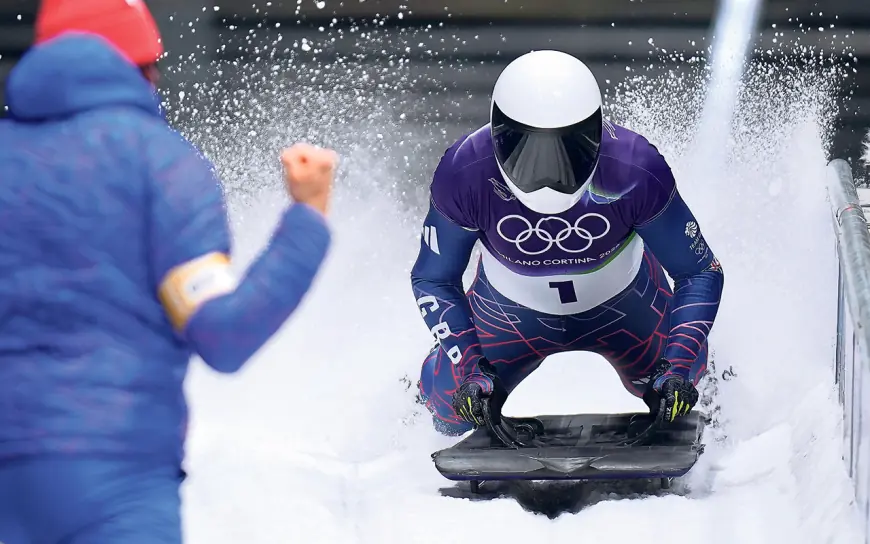
Matt Weston produced a sensational display to win men’s skeleton gold on Friday night (ET), delivering four consecutive track records and giving Great Britain its first gold of the Games. The 27-year-old’s victory not only ended a recent medal drought for the nation but also sets up a chance at a second podium finish in the new mixed team event.
Gold-night breakdown: perfection and emotion on the track
Weston’s final-run flourish completed a dominant week in Cortina for the British sledder. He described the moment as surreal: "I don't know whether it is real. It feels like a bit of a blur to be honest. " He added that he’d been examining photos of the medals and that the result was the product of relentless small improvements: "I am very much a perfectionist - that's what has given me to get this far and to have the success that I have. "
His victory was underpinned by a run of blistering times; Weston revealed he only realised the last run was a track record in a post-race interview. That string of fast passes — four track records in a row — emphasised not just his speed but a high level of consistency under pressure. After the celebrations he kept things low-key, reportedly marking the win with three slices of margherita pizza before turning in for the night.
What this means for Team GB and the mixed team event
Weston’s success lifts Team GB up the early medals table and hands a boost to a programme that has long punched above its weight in skeleton. He will be among the favourites for the new mixed team skeleton event, in which a male and a female athlete’s combined times decide the medals. The format introduces a reaction-style start with a half-second penalty for false starts, adding a fresh tactical element to the competition.
Weston expressed confidence in Britain’s prospects in the mixed event, saying the squad should be "one of the strongest sets of teams" and aiming for "a few more bits of bling. " He will pair with the fastest British woman from the individual competition — a line-up that includes Tabby Stoecker, Freya Tarbit and Amelia Coltman — and the nation’s depth gives them a serious shot against traditional rivals from China, Austria and Germany.
Roots of success and the wider picture
Britain’s standing in skeleton has been shaped over decades by technical innovation and investment. The programme’s recent rebuild followed a disappointing result four years ago, with renewed funding and a revamped coaching approach helping deliver medals again. Investment figures for the sport have been substantial, supporting coaching, athlete awards and performance preparation across Olympic cycles.
Weston’s rise has been rapid: a talent identification intake in 2017 led him from other sports into skeleton, World Cup appearances by 2020 and now Olympic gold in 2026. His triumph is already having grassroots impact; interest in talent identification programmes surged immediately after his victory, reinforcing the narrative that Britain can continue to produce world-class sledders even without a home ice track.
As the Games move on, Team GB will look to capitalise on this momentum. The mixed team skeleton and further sliding events provide immediate opportunities to add to the medal haul. Meanwhile, other winter sports headlines from the same afternoon included a surprise in men's figure skating and a series of tight curling matches, but in the sled-building world of skeleton it is Weston’s gold that will be remembered as the night Britain reclaimed a familiar winter throne.