
















Small Prophets review: Mackenzie Crook returns with a tender, uncanny comedy

As of Feb. 15, 2026 ET, early reaction to Small Prophets highlights a rare triumph: a sitcom that turns the humdrum rhythms of suburban life into something quietly miraculous. Mackenzie Crook, the writer-director known for finding poetry in the ordinary, delivers a series that is both gentle and odd, full of small pleasures and surprising emotional heft.
A premise that unfolds like a present
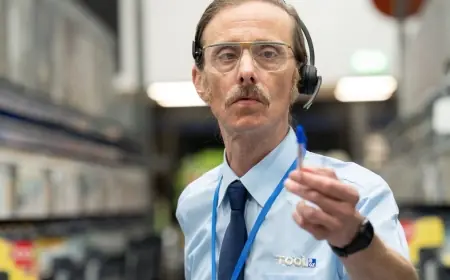
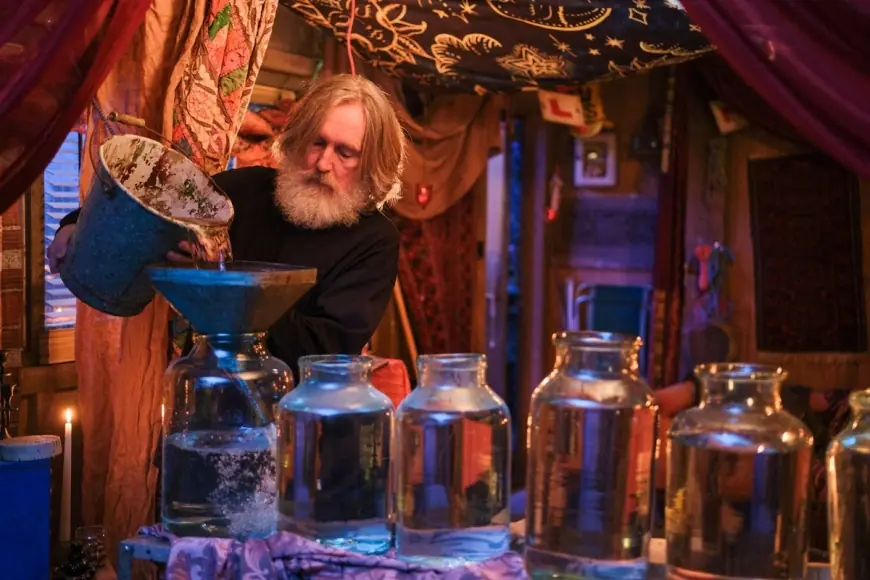
The show centres on Michael Sleep, an unassuming man whose quiet routine is cleaved by the unresolved disappearance of his partner seven years earlier. Michael’s days—commuting in a battered Capri, shelving goods on a DIY store floor, visiting his father at a care home—read like the blueprint for a melancholic kitchen-sink comedy. Crook, however, slips in the uncanny: an old recipe, jars, and the creation of tiny creatures capable of answering questions about the future.
What might have been a gimmick instead becomes the key to the series’ emotional logic. The supernatural elements arrive not as spectacle but as a means of excavating grief, longing, and the stubborn hope that keeps people trying. The show’s strange alchemy—half folklore, half domestic sadness—feels entirely in keeping with Crook’s gift for balancing whimsy and pathos.
Performances anchor the magic
Much of Small Prophets’ success rests on casting that senses the show’s lean, melancholic heart. Pearce Quigley inhabits Michael with a shaggy sorrow that is both comic and deeply sympathetic: his deadpan timing makes small moments glow. Lauren Patel supplies a bright, modern energy as Kacey, Michael’s younger colleague and unlikely confidante; their platonic bond is one of the series’ warmest discoveries, offering a tender counterpoint to Michael’s long shadow of loss.
Then there is Sir Michael Palin in a role that marks his return to TV acting after several years away. As Michael’s father, Palin plays a man whose memory is patchy but whose capacity for mischief and imagination is intact. The scenes between the two Michaels—son and father—land with surprising emotional clarity, never tipping into sentimentality. Supporting players add charm and texture, from the officious manager to the curmudgeonly neighbour who frets about the protagonist’s overgrown garden.
Why Small Prophets resonates
Crook has always been adept at turning small, particular details into broader truths about human life. Here he develops what might be called magical social realism: the everyday world is rendered with affectionate specificity, while the fantastical elements illuminate character and relationship rather than dominate the plot. The result is a show that feels low-key but carefully composed—funny, strange, and emotionally generous.
The series also rewards patience. It doesn’t rush to resolve mysteries or weaponise its supernatural conceit for easy twists. Instead, it uses the homunculi—the tiny jarred beings at the centre of the plot—as instruments of connection. They help characters ask hard questions and, sometimes, to find small openings toward healing.
Small Prophets will not satisfy viewers seeking high-velocity jokes or blockbuster drama. But for those who value precise writing, humane character work, and a touch of the uncanny embedded in the everyday, it feels like a gift: modest in scale, enormous in heart.