






















Berlinale Responds to Political Backlash with Official Statement

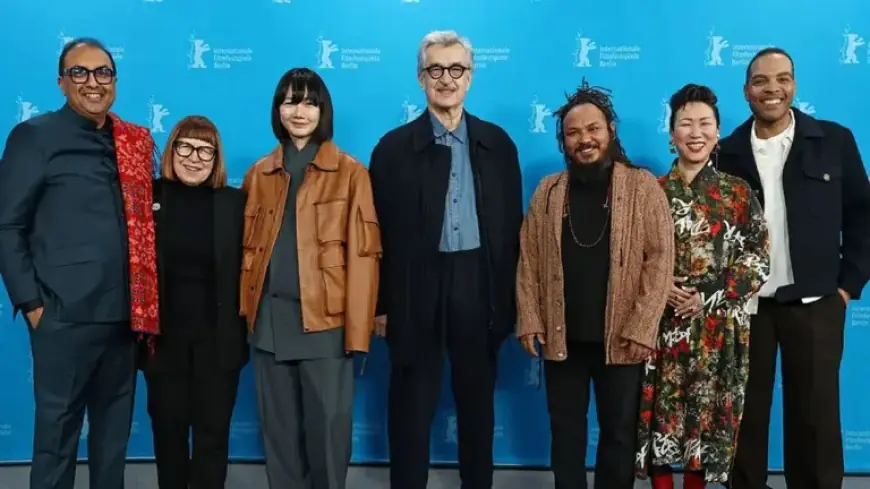
The Berlinale, formally known as the Berlin Film Festival, has recently addressed the political backlash it has received during its ongoing event. Tricia Tuttle, the head of the festival, released a comprehensive statement responding to the criticism that arose during the opening day press conference.
Berlinale Responds to Political Backlash
The statement follows controversial remarks made by festival jury head Wim Wenders, who suggested that filmmakers should avoid overt political statements. His comments drew immediate public ire, particularly in light of ongoing global conflicts. Indian author Arundhati Roy withdrew from the festival, voicing her discontent over Wenders’ remarks.
Critical Voices in the Media
Actor Neil Patrick Harris and actress Michelle Yeoh also attracted criticism for their responses to inquiries about politics and rising fascism. Harris stated his preference for “apolitical” projects, leading to further backlash on social media.
- Wim Wenders faced backlash for political comments.
- Arundhati Roy withdrew from the festival in protest.
- Neil Patrick Harris criticized for asserting an apolitical stance.
- Michelle Yeoh faced scrutiny over her responses.
The Role of Free Speech at the Berlinale
Tuttle emphasized that while free speech is a hallmark of the Berlinale, filmmakers face mounting expectations to address political questions. This has led to a complex interaction between the artistic landscape and socio-political discourse.
She noted that the festival includes 278 films, showcasing a variety of perspectives. These works address serious topics such as:
- Genocide
- Sexual violence in wartime
- Corruption
- Colonialism
- Abuse of state power
Art and Political Expression
Tuttle highlights the significance of filmmakers who face threats for their art and advocacy. Many of these artists tackle human rights issues through their films. The Berlinale serves as a platform to amplify these voices, fostering a greater understanding of shared humanity amid global crises.
She acknowledged a spectrum of political expression within the festival, ranging from subtle critiques of daily power dynamics to more overt statements on governmental policies. This multiplicity of perspectives enriches the festival’s offerings.
Conclusion
In her statement, Tuttle reaffirmed the commitment to freedom of expression while also recognizing the need for artists to decide how to engage with political topics. She expressed gratitude for the diverse contributions of festival participants, emphasizing the collective love for cinema and its potential for change, even if gradual.