






















Rubio urges reset with Europe at Munich, criticizes migration and climate policies

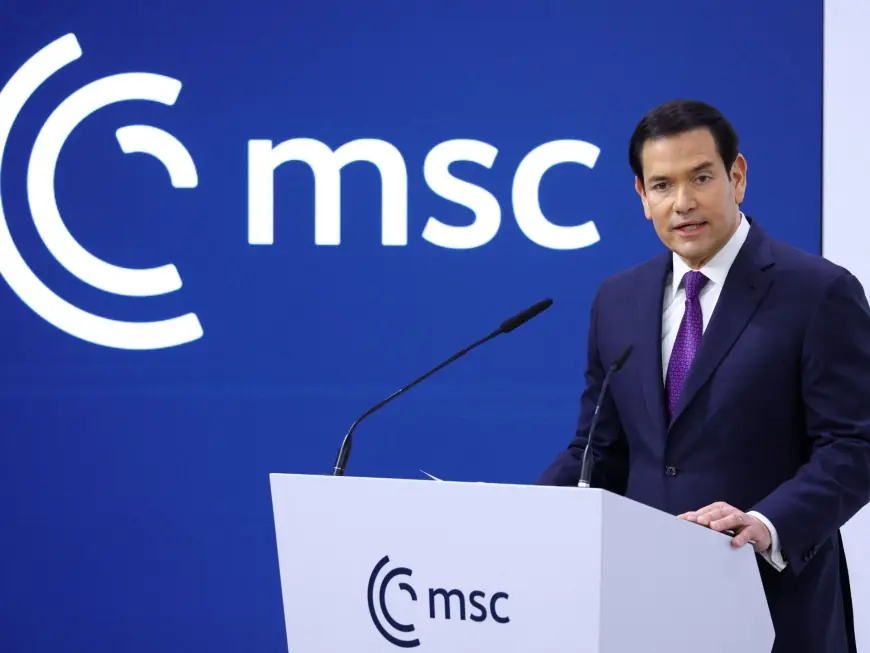
In a high-profile address at the Munich Security Conference on Feb. 14, 2026 (ET), the United States’ top diplomat made a public bid to rebuild ties with European partners while staking out sharp policy differences on migration and climate. The speech drew a standing ovation but offered few concrete commitments, leaving allies to weigh reassurance against a signal that the U. S. intends to set a new course in transatlantic relations.
What Rubio told European leaders
The speech framed the relationship with Europe as foundational to American identity—"for us Americans, our home may be in the Western Hemisphere, but we will always be a child of Europe, " the secretary said—while warning that past Western assumptions about the inevitable spread of liberal democracy had been misplaced. He argued that the post–Cold War euphoria fostered what he called a "dangerous delusion" that led Western nations to cede parts of their sovereignty to international institutions and to pursue policies that, in his view, imperil social cohesion.
Rubio singled out Europe’s migration and climate policies as areas of disagreement. He warned that open-border policies had prompted an "unprecedented wave of mass migration" that threatens the cohesion and continuity of societies, and he criticized stringent climate measures as a kind of "climate cult" that has imposed energy policies he said are impoverishing populations. Notably, his address made no mention of Russia, a conspicuous omission at a security-focused forum where the war in Europe remains a dominant concern.
Despite the critique, Rubio emphasized a desire to work with allies. He invoked shared history on battlefields across generations and described America’s aim to "chart the path for a new century of prosperity… and to do it together" with European partners. The rhetoric blended reassurance with a clear message that the United States will press its own priorities as the partnership evolves.
Reactions, tensions and the path ahead
The speech arrived in the shadow of last year’s sharp exchanges from other U. S. officials that unsettled many in Europe, and it followed a string of administration moves that tested relations, including threats of trade measures aimed at securing strategic advantages. European leaders have welcomed the outreach while noting that elements within the administration maintain a harsher stance on issues such as migration and trade.
European officials emphasized the need for greater strategic autonomy. One senior European executive underscored that Europe must bolster its defence capabilities and protect digital sovereignty, including approaches to online hate speech. That message reflects a calculus in capitals that stronger European capabilities are needed both to complement transatlantic cooperation and to hedge against policy swings in Washington.
Analysts say the speech could help reset tone, but the lack of concrete offers—on defence spending, energy cooperation, or coordinated approaches to migration—leaves open how quickly trust can be rebuilt. The absence of any reference to Russia raised questions about priority-setting at a security conference where Moscow’s actions have dominated the agenda for years.
Implications for policy and alliance dynamics
The address signals a Republican administration intent on reshaping the relationship with Europe on its own terms: partnership with limits and clear expectations. For European capitals, the challenge will be balancing welcome for renewed engagement with efforts to preserve policy autonomy on migration, climate and digital rules. The contest will play out in diplomatic exchanges, NATO planning rooms and trade and energy negotiations in the months ahead.
For now, Munich offered a public moment of outreach—an attempt to soothe rifts while drawing red lines on issues the administration views as core to domestic resilience. Whether that approach converts applause into cooperation may depend on whether Washington follows words with joint initiatives that give Europeans confidence the partnership remains both reliable and mutually respectful.