



















Emerald Fennell Redefines ‘Wuthering Heights’ in New Adaptation

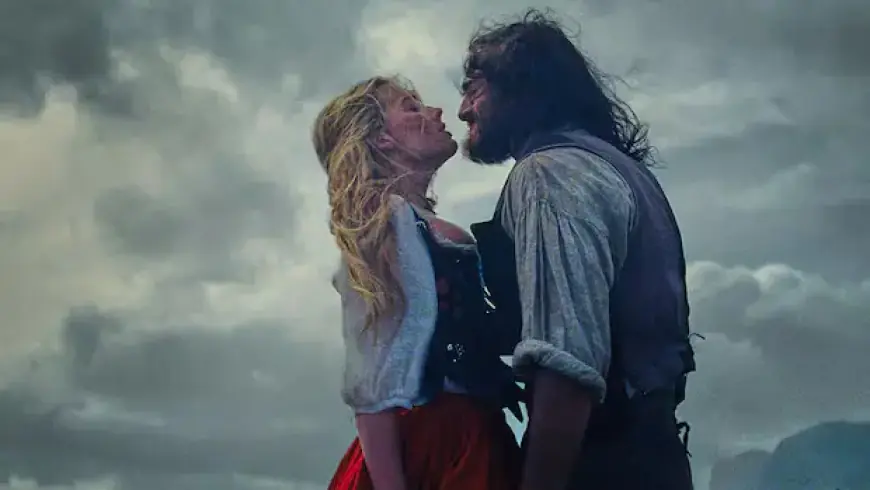
Emerald Fennell is stepping into the literary spotlight with her new adaptation of “Wuthering Heights,” a classic novel by Emily Brontë published in 1847. This adaptation is noteworthy for its stylization and approach. Fennell’s version is not just an adaptation; it’s a re-creation of memory and a personal artistic expression.
Emerald Fennell’s Vision
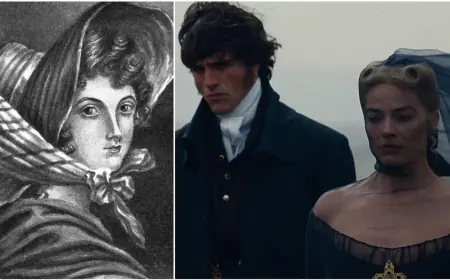
Fennell’s adaptation features actors Jacob Elordi as Heathcliff and Margot Robbie as Catherine. The film opens with an infamous scene of a hanged man in a town square, a striking departure from Brontë’s original narrative. Critics have noted that such dramatic changes may leave traditionalists questioning the integrity of the source material.
Key Changes in the Adaptation
- The characters are portrayed differently, with Elordi’s casting sparking debate about Heathcliff’s racial identity.
- The romantic relationship between Heathcliff and Catherine is expanded, shifting focus away from the novel’s themes of social hierarchy and vengeance.
- Many plot elements and character developments from the original novel are either altered or omitted, significantly changing the overall narrative.
Visual and Thematic Analysis
Visually, Fennell’s film is described as dreamlike and striking. However, some critics suggest that this stylization may overshadow character depth and thematic complexity. The film’s portrayal of Heathcliff transforms him into a romanticized figure, diverging from his original depiction as a sociopathic and complex character.
Critical Reception
Feedback highlights the film’s disconnect from Brontë’s intentions. Key themes, such as class struggle and the concept of death, are diminished in favor of an emotionally charged romance that feels out of sync with the original text. Viewers familiar with the source material may find themselves challenged to reconcile these changes.
Conclusion
Emerald Fennell’s “Wuthering Heights” offers a fresh, albeit controversial perspective on a beloved classic. While it might resonate with those seeking a unique cinematic experience, fans of Brontë’s work may view this adaptation as a departure from the essence of the original story. A blend of creativity and provocation characterizes this film, making it a significant, yet polarizing addition to the landscape of literary adaptations.