

























Streamline Cattle Loading with Herd Behavior Techniques

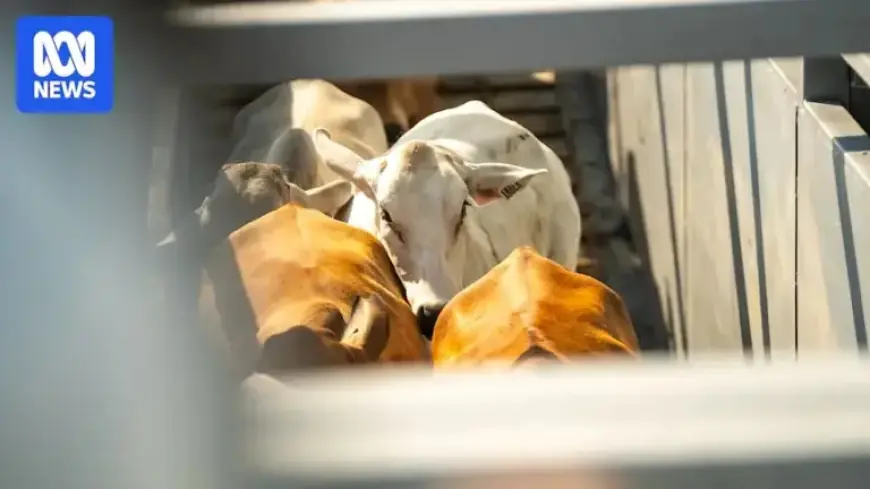
The loading of cattle onto trucks can often be a stressful experience for the animals. However, a new ramp design aims to change that. Developed in far north Queensland, this innovative loading system integrates herd behavior techniques to facilitate a smoother loading process.
Revolutionizing Cattle Loading with Herd Behavior Techniques
John Lethbridge, a retired truck driver, has spearheaded this project. His motivation stemmed from years of experience in the trucking industry. He spent five years working on this ramp to improve the welfare of transported livestock.
The Design of the Ramp
Unlike traditional narrow loading ramps, Lethbridge’s ramp measures an impressive 1.7 meters in width. This allows cattle to walk side by side, mimicking their natural behavior in a herd. Such design improvements are crucial for minimizing stress during loading.
- Width: 1.7 meters
- Features sheeted gates and counterweights
- Includes configurations resembling small yards for easier handling
The ramp also includes safety features for workers, allowing them to maintain a safe distance from the cattle. Shawn “Chappy” Chapman, an engineering expert, collaborated with Lethbridge to bring these ideas to fruition. His commitment was pivotal in transforming Lethbridge’s vision into reality.
Impact on Livestock Welfare and Industry Profitability
Transportation stress can have severe consequences for cattle. Vet scientist Geoffry Fordyce emphasizes that stress can lead to infections, diarrhea, and significant weight loss in transported animals. Research shows that stress during loading and unloading has often been overlooked in animal welfare studies.
Lethbridge’s ramp effectively reduces this stress by allowing animals to enter the truck in a more natural formation, enhancing their focus on getting to their destination.
Financial Benefits
According to the Meat and Livestock Australia (MLA), approximately 9 million cattle were predicted to be slaughtered last year. Russell Lethbridge, a non-executive director at MLA, believes that improved loading infrastructure can improve profit margins for farmers. He estimates that financial gains could range between $20 to $50 per head of cattle.
Conclusion
While the ramp system’s construction costs could reach up to $300,000, the fundamental principles behind its success are simple. Lethbridge advocates that innovation can arise from understanding both animal behavior and practical design.
Overall, the implementation of such herd behavior techniques in cattle loading represents a significant step toward improving animal welfare and increasing profitability in the livestock industry. For further insights, visit Filmogaz.com.