

























Pilot’s Last Words Revealed in UK-Tenerife Crash Killing 146

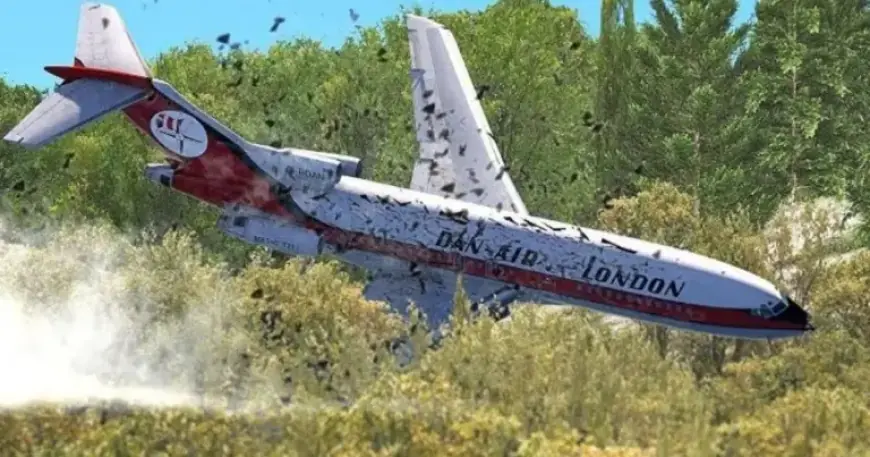
On April 25, 1980, a tragic aviation accident occurred involving Dan-Air Flight 1008. The flight was en route from Manchester to Tenerife when it crashed into mountainous terrain, claiming the lives of all 146 individuals on board. This catastrophic event was primarily attributed to miscommunication between air traffic control and the flight crew.
Key Events of the Dan-Air Flight 1008 Crash
The flight took off from Manchester Airport at 9:20 AM local time. Passengers, predominantly British holidaymakers, were looking forward to enjoying Tenerife’s picturesque landscapes. The flight proceeded smoothly for three hours before approaching its destination.
At approximately 1:00 PM, air traffic controller Justo Camin faced an unexpected challenge. Due to unusual wind patterns, planes were rerouted to land on Runway 12 rather than the usual approach. This decision became critical as another aircraft was already on its final approach to the same runway.
Communication Breakdown
- Camin, unable to use radar, directed Dan-Air Flight 1008 into a holding pattern, but confusion ensued.
- The controller’s critical directive was marred by a single letter’s omission, changing “turns to the left” to “turn to the left.”
- Captain Arthur Whelan did not repeat the instructions, which would have clarified their course.
As a result, the flight crew misunderstood the directions and initiated a left-hand turn, believing they were complying with the controller’s request. This maneuver placed the aircraft dangerously close to the mountainous landscape where the minimum safe altitude was significantly higher.
Final Moments
Moments before the collision with La Esperanza, the cockpit voice recorder captured a heightened sense of urgency among the crew. A ground proximity warning system alerted them to an impending danger, prompting Whelan to execute a right turn in an attempt to avoid the terrain.
Nevertheless, this decision inadvertently caused the aircraft to lower its altitude, resulting in disaster. At 5,450 feet, just below the mountain summit, the plane struck the terrain, leading to a catastrophic crash that left no survivors.
Investigation Findings
Following the incident, a thorough investigation revealed a series of mistakes from both the air traffic controller and the flight crew. Spanish authorities acknowledged the miscommunication’s role but ultimately allocated responsibility to the Dan-Air crew as well.
- British investigators criticized the controller’s failure to implement a standard holding pattern.
- They emphasized the importance of clear communication between air traffic control and pilots.
- The inquiry led to enhanced protocols and training for air traffic communication.
The crash of Dan-Air Flight 1008 remains a haunting reminder of the crucial need for precise communication in aviation. It underscored the significance of standard procedures in air traffic management to ensure the safety of passengers and crews alike.
Legacy and Reflections
Over the years, the memory of this tragic event has faded, yet it stands as one of the worst aviation disasters in British history. The lessons learned continue to influence aviation safety measures today, highlighting the devastating impact that a minor error can lead to in the skies.