
























SpaceX Targets 600th Falcon 9 Launch from Vandenberg with Starlink Flight Tonight

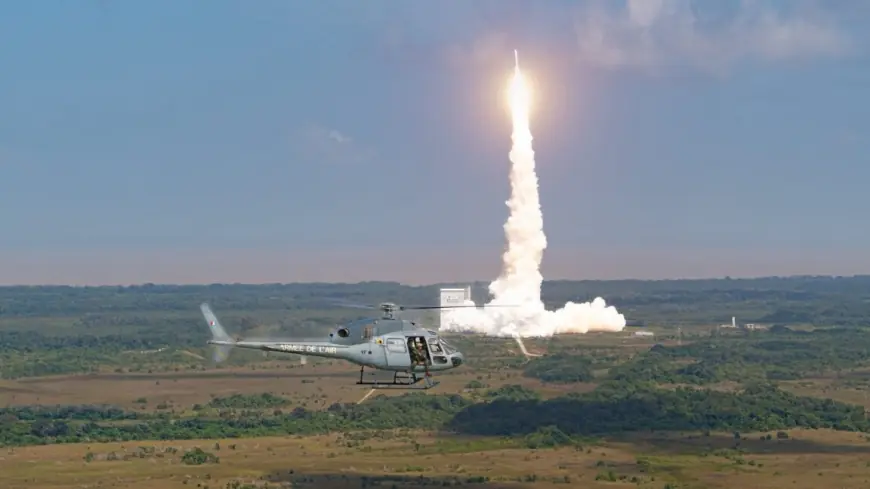
Update Feb. 14, 8: 00 p. m. ET: SpaceX pushed back the planned T-0 liftoff time. The company is preparing to mark its 600th Falcon 9 flight with a Starlink mission from Vandenberg Space Force Base this evening.
Milestone mission: 600th Falcon 9
The evening mission will be a milestone for the Falcon 9 fleet. The launch vehicle on the pad at Vandenberg represents the 600th Falcon 9 to be launched to date, a cumulative achievement for the reusable booster program. The flight underscores the rapid cadence of orbital operations the company has maintained in recent months.
Launch schedule and trajectory
The Starlink 17-13 mission is slated for liftoff at 8: 59: 59 p. m. ET, at the end of its launch window. Liftoff is set from Space Launch Complex 4 East and the rocket will head on a southerly trajectory after climbing away from the pad. Live coverage is expected to begin about 30 minutes before the scheduled T-0.
Payload and mission goals
The mission will loft 24 Starlink V2 Mini satellites into low Earth orbit. These birds are part of the company’s next-generation internet constellation, designed to expand network capacity and improve service over a range of latitudes. The Starlink V2 Minis are smaller than the larger V2 craft and are intended to complement existing satellites in the constellation.
Booster history and recovery attempt
The first stage assigned to this flight carries the tail number B1081. This will be its 22nd flight after a long career that includes multiple commercial launches and several missions flown for NASA. About eight minutes after liftoff, B1081 is scheduled to attempt a landing on the autonomous drone ship Of Course I Still Love You, stationed in the Pacific Ocean. If successful, the touchdown would mark the vessel’s 178th landing and the program’s 571st booster recovery overall.
Busy weekend in orbit: crew movements and schedule shifts
The launch comes on a day when a Dragon crew ship named Freedom arrived at the International Space Station at 3: 15 p. m. ET, carrying three astronauts and one cosmonaut. That arrival occurred roughly 34 hours after the capsule launched from Cape Canaveral. Meanwhile, the other Crew Dragon on the manifest, Resilience, has been delayed to 7: 27 p. m. ET Sunday to allow for improved downrange weather and sea conditions and more favorable onshore winds at the launch site.
What to watch and what could change
Weather and range conditions remain key variables for tonight’s liftoff and the planned booster recovery. Teams will monitor downrange sea state and wind profiles for both ascent and landing phases. Pad and range checks will continue through the countdown, and another delay remains possible if conditions do not meet go/no-go criteria.
For viewers, the most immediate indicators will be the live prelaunch coverage and countdown updates beginning roughly 30 minutes before the T-0. If the launch proceeds, the mission will add another batch of satellites to the constellation and advance the Falcon 9 tally toward its next milestone.