
























Maha Shivaratri 2026: The Great Night that Shapes Creation and Devotion

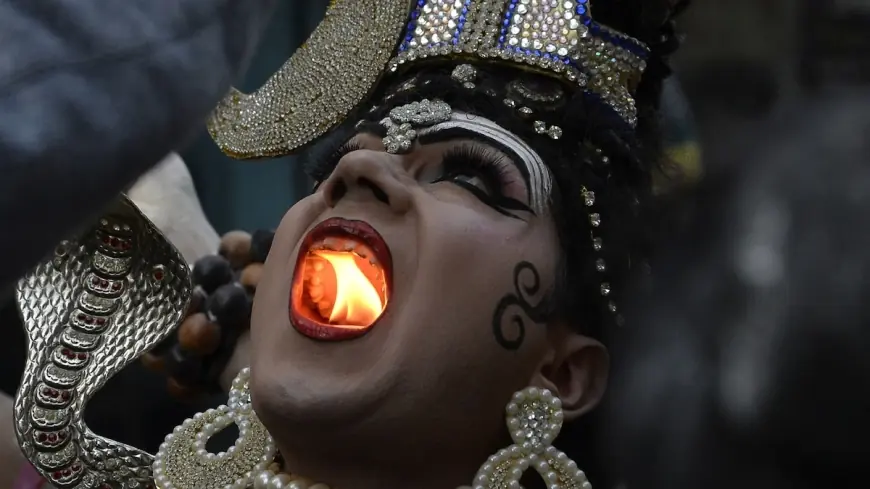
Maha Shivaratri (mahashivratri 2026) is observed each year as a night of focused devotion, fasting and vigil that draws millions into temples and private worship. Marked by rituals that recall cosmic origins, divine unions and the cycles of life and death, the festival remains a pivotal event for Shaivite communities and for many Hindus around the world.
Myths of creation, marriage and cosmic dance
At the heart of Maha Shivaratri are ancient stories that link Shiva to the very act of creation. One prominent legend celebrates the marriage of Shiva and Parvati, a union that symbolizes the merging of pure consciousness with creative energy—an event cast as essential to the emergence and balance of the cosmos. Another tradition highlights Shiva’s cosmic dance, which embodies creation, preservation and destruction as an integrated cycle. These accounts are woven through centuries of texts and regional traditions, and they give the night its layered theological significance.
Shiva is one of the principal deities in Hindu belief, part of a triad that also includes the creator and the preserver. Devotees who follow Shiva—known as Shaivites—number in the hundreds of millions, and for them Maha Shivaratri has both communal and intensely personal meaning. Scholars trace the religion’s roots back more than 4, 000 years to the Indian subcontinent, noting that the festival’s narratives and rituals reflect a broad tapestry of local practices and scriptural sources.
Rituals, regional variation and modern observance
Observance of the night varies widely. Many devotees observe a strict fast, perform ritual bathings of Shiva lingams, and present offerings such as bilwa leaves and certain fruits. Night-long vigils, where worshippers chant mantras like "Om Namah Shivaya, " are common, and communal temple ceremonies often run through the night until dawn. These practices are intended to deepen devotion and subdue the ego, reinforcing a sense of the divine presence in daily life.
The specifics of ritual and celebration differ by region and community. Cultural and linguistic diversity across the Indian subcontinent—and among the diaspora—means that the festival’s narratives, foods and ceremonial forms shift in observable ways. In some places the evening is framed as a cosmic wedding night with special significance for married couples and those seeking marital harmony; in others the emphasis is on Shiva’s protective or redemptive acts. Despite variation, the core acts of fasting, prayer and vigil are consistent markers of the festival.
Why Maha Shivaratri 2026 resonates beyond liturgy
Beyond its religious dimensions, Maha Shivaratri has contemporary social and cultural resonance. The festival offers a moment for spiritual renewal and communal solidarity, and for many it is an occasion to reflect on themes of balance and transformation. Rituals that ask individuals to set aside personal desire and engage in concentrated devotion can function as social rituals that reinforce shared values and identity.
For couples and families, the night can underscore the idea that private acts—marriage, fidelity, domestic life—connect to larger cosmic stories. For practitioners, the festival’s continuing appeal lies in its ability to accommodate multiple meanings and practices while maintaining a clear devotional core. As celebrations unfold each year, they bridge ancient mythic frames and modern lived faith, keeping Maha Shivaratri a vital and evolving observance in 2026 and beyond.