

























Researchers Warn: Tattoos May Cause Vision Loss from Rare Condition Years Later

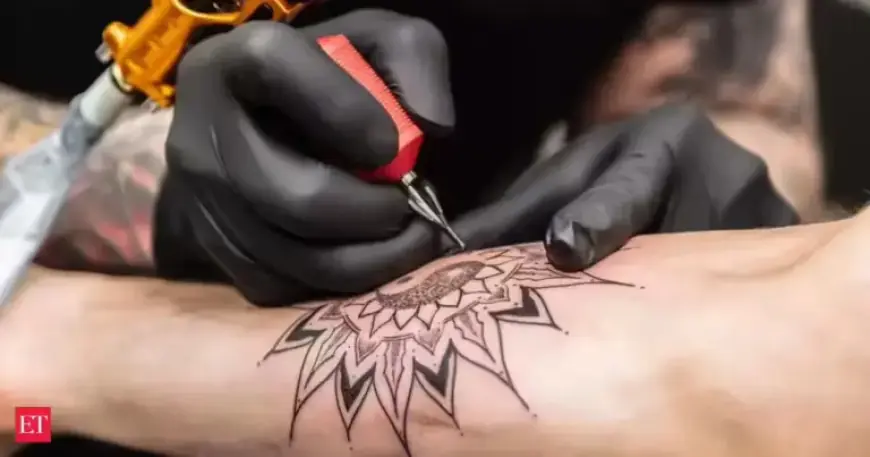
Recent research from Australia has spotlighted a rare condition linked to tattoos, named tattoo-associated uveitis. This condition poses a serious risk to vision, prompting experts to urge more awareness among both healthcare professionals and individuals with tattoos.
Rising Cases of Tattoo-Associated Uveitis
A study published in Clinical and Experimental Ophthalmology reported 40 confirmed cases of tattoo-associated uveitis in Australia. This figure effectively doubles the number of cases documented worldwide since 2010. As tattoos grow increasingly popular, the research highlights a potentially under-recognized health issue.
Understanding Uveitis
Uveitis is an inflammation of the uvea, affecting the eye’s middle layer. If left untreated, it can lead to severe consequences such as glaucoma, permanent vision loss, and the need for lifelong immunosuppressive therapy.
Immune Reactions Triggered by Tattoos
The study reveals that tattoo ink may trigger an immune response years after application. Symptoms often include:
- Blurred vision
- Eye pain
- Sensitivity to light
- Redness in the eye
One case involved a patient who mistook her deteriorating vision for conjunctivitis. She later discovered it was linked to a tattoo received years earlier. Doctors explain that the immune system can mistakenly target the eye after reacting to tattoo pigments trapped in the skin.
Insights from Recent Investigations
During a recent ophthalmology conference, specialists noted an increasing number of young patients presenting unexplained uveitis. This trend prompted further investigation into the link between tattoos and eye health. Most patients needed long-term immunosuppressive treatment, with only a few experiencing no vision loss throughout their care.
Identifying the Triggers
Research indicates that the condition is often associated with black tattoo inks, although there have been isolated cases involving red and pink inks. Symptoms typically surface one to two years post-tattoo, but in rare instances, issues appeared 35 years later. This suggests a prolonged risk for affected individuals.
Similarities to Other Inflammatory Diseases
Some reactions resemble sarcoidosis, a condition where immune cells cluster in various organs. Biopsies from affected tattoos revealed similarities to sarcoidosis, hinting at a shared inflammatory pathway. However, the exact ink ingredients remain difficult to identify, especially for overseas tattoos.
Awareness and Prevention
Despite these alarming findings, experts emphasize that the risk is low compared to the overall number of tattooed individuals. Around 20-30% of Australians have at least one tattoo, with many experiencing no complications. Yet, increased awareness is vital as early diagnosis can significantly reduce the risk of severe outcomes.
Doctors advocate for heightened recognition of tattoo-associated uveitis to facilitate quicker treatment and minimize the chances of permanent vision loss.