

























Kazakhstan Referendum: Constitutional Overhaul Sparks Stability Debate

Kazakhstan is preparing for a significant constitutional reform that aims to bolster domestic stability and influence in international relations. According to regional analyst Roza Bayramova from the AIR Centre, these proposed changes could enhance the country’s multi-vector foreign policy.
Kazakhstan’s Constitutional Overhaul: Key Details
The Kazakhstan Reform Commission has released a draft of the new Constitution, slated for a nationwide vote on March 15. This draft encompasses a preamble, 11 chapters, and 95 articles. If approved, the changes are expected to take effect on July 1, 2026.
Significance of the Proposed Reforms
- The new Constitution aims to revise the framework for state power organization.
- Bayramova labels Kazakhstan a “middle power” due to its economic strength, geographic significance, and diplomatic reach.
- The reforms are intended to make Kazakhstan a more predictable and reliable partner in international affairs.
Bayramova emphasized the importance of enhanced domestic stability for attracting international attention, especially from China. This predictability can boost Kazakhstan’s standing when engaging with major powers such as Russia and the West.
Public Support and Involvement
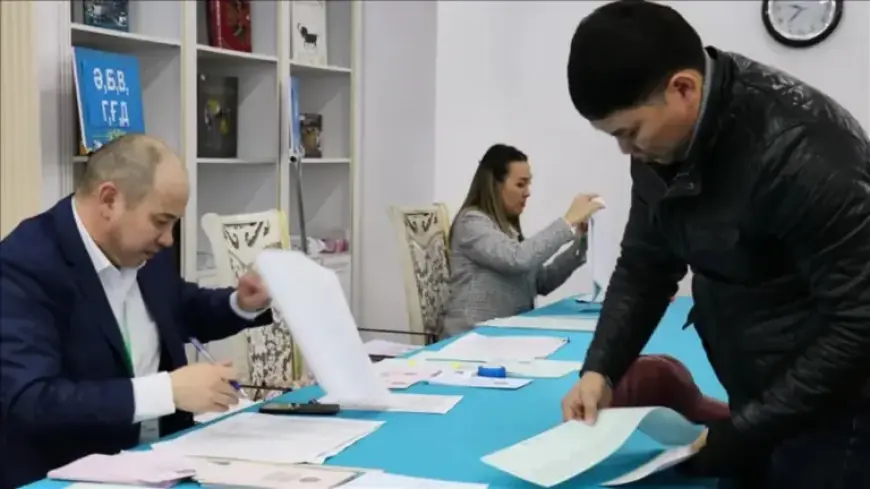
The government is also focused on improving public participation and transparency. A social commission has been established, featuring representatives from various regions and professions, with meetings broadcast live. According to recent surveys, there is notable public backing for the reforms:
- 78% of respondents support the constitutional reform.
- 79% believe the timing of the reforms is appropriate.
Concerns and Regional Impacts
Despite the support, some civil society representatives have expressed concerns about potential presidential term extensions for President Kassym-Jomart Tokayev. Bayramova noted that public debate surrounding significant political reforms is a normal occurrence and should not deter the process.
On the economic front, while the restructuring may trigger short-term uncertainty, Bayramova posits that increased predictability and governance stability will ultimately attract more investments. She stated, “Successful reforms could yield a more stable and predictable state and region.”
With its strategic influence in Central Asia, Kazakhstan’s constitutional overhaul is not just a national issue but one that could have broader implications for regional stability.