























Federal Judge Mandates Return of Venezuelan Migrants Deported to El Salvador

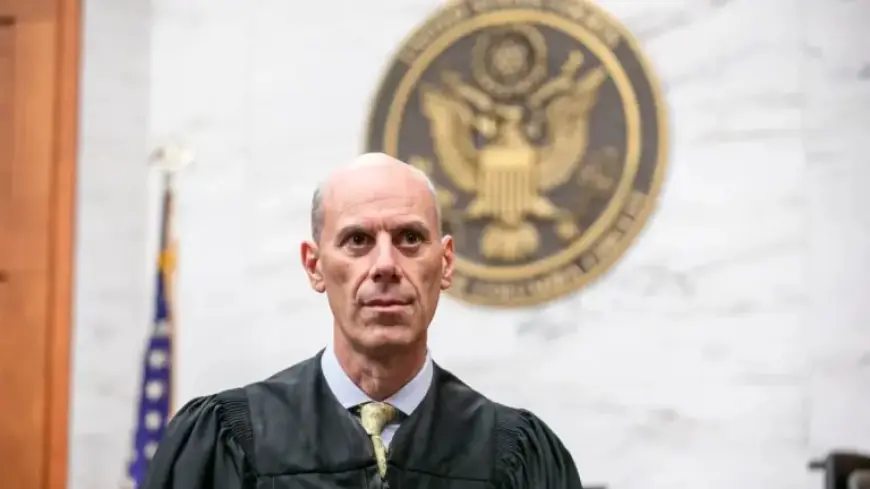
A federal judge has mandated the return of a group of Venezuelan migrants who were previously deported to El Salvador under controversial circumstances. The ruling affects 137 individuals initially sent to the high-security Center for Terrorism Confinement (CEOTC) last year.
Background of the Case
The migrants were deported under the Alien Enemies Act, facing accusations of alignment with the Venezuelan criminal organization Tren de Aragua. Despite an emergency ruling that called for their immediate return to the United States, the deportations proceeded, placing these men in a dire situation.
Judge’s Ruling
U.S. District Court Judge James Boasberg ruled that the government is required to facilitate the migrants’ return. This includes covering costs for flights back to a U.S. port of entry. Once they arrive, these individuals may face detention as they contest the charges against them.
Details of the Ruling
- The ruling applies to Venezuelans now residing in countries other than Venezuela.
- Those in Venezuela are allowed to challenge their deportation but cannot enter the U.S. for now.
- Judge Boasberg previously determined that the migrants were denied due process.
- The government must propose measures to ensure the men receive hearings for their habeas corpus claims.
Government Response
Tricia McLaughlin, a spokesperson for the Department of Homeland Security, reiterated allegations that the migrants are involved in terrorism. She emphasized that their removal was conducted legally. This sentiment reflects ongoing tensions between the Trump administration and Judge Boasberg regarding judicial rulings.
Legal Representation and Next Steps
Lee Gelernt, an attorney with the ACLU representing the group, condemned the earlier actions, noting they occurred without due process. He stressed the importance of the court’s decision in restoring constitutional rights to these individuals.
The court has mandated that plaintiffs provide a list of those interested in returning to the U.S. within 15 days. It remains uncertain how many individuals will pursue this option.
Conclusion
The federal judge’s order highlights significant issues regarding the treatment of migrants and raises questions about legal processes under the Alien Enemies Act. This ruling may set a precedent for similar cases in the future.