

























ICC T20 World Cup and Cricket World Cup Calendar: What’s Happening Now, What’s Next, and Why It Matters for 2026 and Beyond

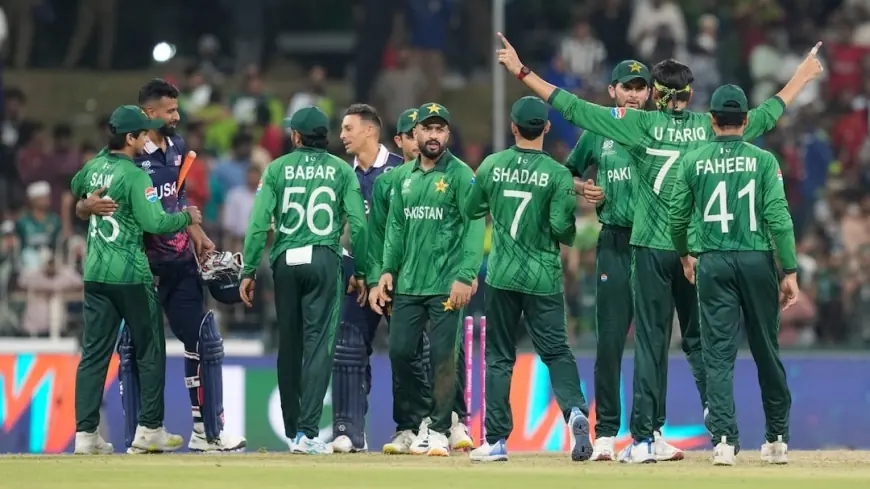
The men’s ICC T20 World Cup is already underway, and it is quickly turning into a stress test of squad depth, travel logistics, and tournament math. The 2026 edition is being staged across India and Sri Lanka, running from February 7 through March 8, 2026, Eastern Time. With a 20-team field and a format designed to punish slow starts, early injuries and selection calls are becoming as important as the headline results.
At the same time, “Cricket World Cup” has become a year-round ecosystem rather than a single event. The next few years feature multiple flagship tournaments, each pushing different priorities: fast-growth markets, broadcast-friendly scheduling, and a crowded player workload that boards and leagues are still trying to balance.
ICC T20 World Cup 2026: Format, key dates, and why the first two weeks decide everything
The men’s tournament again features 20 teams split into four groups of five. Each team plays four group matches, with only the top two from each group advancing. That immediately creates a high-risk environment: one upset or one rain-affected no-result can flip qualification probabilities.
Key dates in Eastern Time:
-
February 7, 2026: Tournament opener
-
February 22, 2026: Super 8 stage begins
-
March 4, 2026: Semi-final 1
-
March 5, 2026: Semi-final 2
-
March 8, 2026: Final
The Super 8 is the true pivot point. Eight teams are divided into two groups of four, and only the top two from each Super 8 group reach the semifinals. In practice, that means the group stage is about survival and positioning, while the Super 8 becomes a short, brutal league where one off day can end a title run.
The behind-the-headline story: injuries, squad depth, and the incentives shaping strategy
Early tournament news has already underscored a recurring T20 World Cup reality: the teams that look “best on paper” can be undone by one injury, one unplanned replacement, or one match decided by a handful of deliveries.
Context: T20 rewards peak performance and sharp matchups, not long-form superiority. Teams can be dominant and still lose if their batting order collapses for 15 balls or if death overs go wrong once.
Incentives: Boards want marquee clashes later in the tournament, but captains and coaches can’t afford to “save” players. With limited matches, every selection is a probability bet: do you pick extra pace, an extra spinner, or a longer batting tail to chase 180-plus totals? Those decisions are shaped by venue conditions, travel, and recovery time.
Stakeholders: Players are negotiating reputations and future contracts; boards are managing national expectations; and domestic leagues are watching workload and injuries that can carry into the next season. Fans and sponsors care because the T20 World Cup is the sport’s most compressed drama machine.
Missing pieces: The biggest unknown is how consistently pitches will play across eight venues, and how quickly teams adapt. Another unresolved factor is how replacements and late squad changes reshape balance, especially for teams built around one elite bowler or one top-order anchor.
Second-order effects: If injuries rise, boards will face louder calls for schedule reform and stronger player-rest rules. T20 success also influences selection philosophy long after the trophy, often pushing teams toward all-rounders, flexible batting orders, and more aggressive powerplay tactics even in other formats.
Cricket World Cup: the broader pipeline that shapes international cricket’s next decade
When fans say “Cricket World Cup,” they often mean the men’s ODI tournament, but the term now sits alongside a growing list of major global events.
What’s next matters because it sets the incentives for player development:
-
The men’s ODI Cricket World Cup is slated for 2027 in southern Africa, expanding the spotlight on regional hosting models and multi-country logistics.
-
The women’s T20 World Cup in 2026 is scheduled for June 12 through July 5, 2026, Eastern Time, in England and Wales, with an expanded 12-team field.
This crowded calendar drives a quiet but crucial debate: which format gets priority in talent development, and how boards protect their best players from burnout while still meeting commercial expectations.
What happens next: realistic scenarios and triggers to watch
-
A clear set of Super 8 favorites emerges if a few top teams post three early wins. Trigger: dominant net run rates and settled XIs before February 22, 2026.
-
A wave of upsets reshapes the bracket if mid-tier sides exploit specific venue conditions. Trigger: powerplay wickets and successful matchups against star batters.
-
Injuries become the defining story if multiple teams lose frontline bowlers. Trigger: repeated squad changes and visible drop-offs in death-overs execution.
-
A new title contender appears if an associate or recently qualified team breaks into the Super 8 and stays fearless. Trigger: one signature chase or one low-score defense under pressure.
-
Selection philosophies shift after the tournament toward deeper benches and more all-rounders. Trigger: champions winning with flexibility rather than a single superstar core.
Why it matters
The ICC T20 World Cup is no longer just a trophy chase; it is a referendum on how modern international cricket is built. Teams that manage bodies, adapt tactics faster than rivals, and keep calm in short-form chaos get rewarded. Meanwhile, the expanding Cricket World Cup calendar is turning global cricket into a continuous cycle of high-stakes events, where the best-run programs gain an edge not only in talent, but in planning.