























Super Bowl 2026 start time: What to know before kickoff Sunday

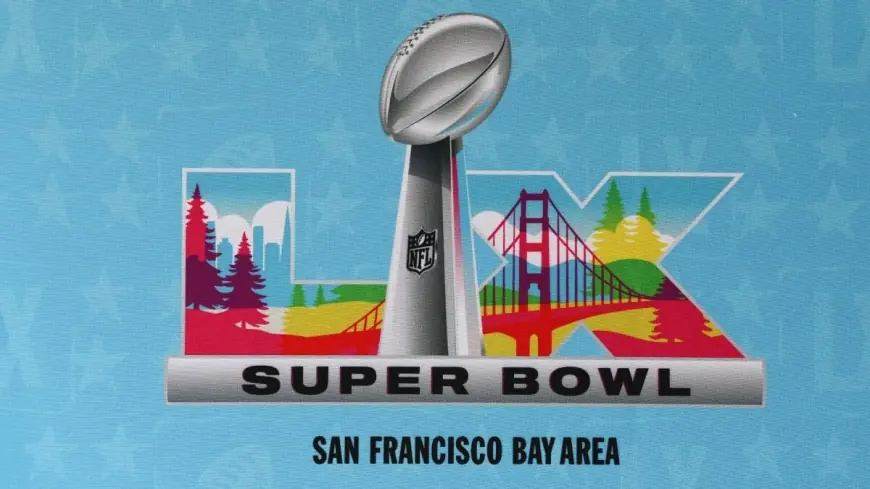
Super Bowl 2026 is set for Sunday, Feb. 8, 2026, and the one detail that shapes every watch party plan is the same every year: when the ball actually goes in the air. The scheduled start time remains in the familiar early-evening window, but “kickoff time” and “coverage start” are not the same thing—and the on-field start is typically a few minutes after the top-of-the-hour-style listing.
The game will be played at Levi’s Stadium in Santa Clara, California, with the New England Patriots facing the Seattle Seahawks.
The official kickoff window (ET)
The scheduled kickoff for Super Bowl 2026 is approximately 6:30 p.m. ET on Sunday, Feb. 8. “Approximately” matters: the game broadcast begins earlier than kickoff, and the opening sequence (introductions, anthem, flyover if scheduled, coin toss) can push the first snap a few minutes beyond the posted time.
If you want to see the opening kickoff rather than joining mid-drive, the safest plan is to be settled in at least 10–15 minutes before 6:30 p.m. ET.
Key times to plan around
Here’s a simple timeline in Eastern Time, using typical Super Bowl pacing and the league’s posted kickoff time:
-
Midday to afternoon (ET): pregame programming begins (start times vary by outlet and format)
-
Around 6:30 p.m. ET: scheduled kickoff (first snap often follows shortly after)
-
Roughly 8:00–8:30 p.m. ET: halftime window (timing depends on game flow, reviews, and timeouts)
-
Around 10:00–10:30 p.m. ET: game ends in a typical regulation finish (overtime can extend later)
All of the times after kickoff are best treated as estimates, because football timing is driven by play volume, stoppages, and replay reviews.
Why kickoff can feel “late”
Even when the kickoff time is clearly stated, viewers often notice that the first snap arrives a bit later than expected. That usually comes down to presentation and pageantry built into the sport’s biggest broadcast: extended player introductions, ceremonial moments, and the pregame performance segments that happen between “coverage begins” and the ball being kicked.
None of that changes the posted kickoff time, but it does change what “start time” feels like in practice—especially if you flip on the TV right at 6:30 p.m. ET expecting action immediately.
What the time means for viewers nationwide
With the game in California, local time at the stadium is three hours behind Eastern Time. That puts kickoff at 3:30 p.m. local time, which is earlier than a typical prime-time Sunday night kickoff in the regular season. For viewers:
-
East Coast: early evening start, ending late evening in most cases
-
Central: early evening with a slightly earlier finish than the East
-
Mountain and Pacific: afternoon football, with the game concluding in the early evening for many households
That scheduling helps maximize national viewership while keeping the host city’s event window comfortably within the afternoon and early night.
What happens next after the opening kick
After kickoff, the next “must-see” moment for many casual viewers is halftime. The best way to avoid missing it isn’t to guess the time—it’s to watch the end of the second quarter. Timeouts, two-minute drills, replay reviews, and scoring pace can shift halftime earlier or later within a pretty wide band.
If you’re planning food, arrivals, or a halftime activity, consider building flexibility into the schedule rather than anchoring to a precise minute on the clock.
Sources consulted: NFL, CBS Sports, NBC Insider, Associated Press