























Borgo Castello Unveils Andora’s Educational and Agricultural Olive Grove

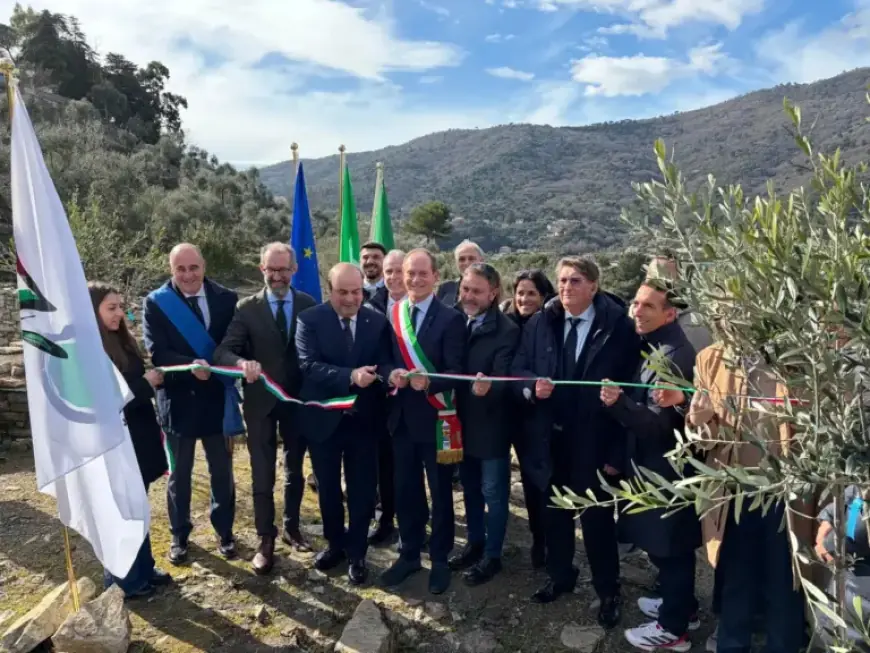
Borgo Castello has officially inaugurated its new olive grove in Andora, Italy, covering an area of 24,000 square meters. This initiative aims to revitalize the region’s olive-growing culture, which had languished for years due to neglect. The project is part of a broader urban regeneration strategy named “Ricordare il passato per costruire il futuro,” involving various public and private organizations including the Ligurian Region, the Ministry of Culture, and the University of Genoa.
Borgo Castello’s Educational and Agricultural Olive Grove
Formerly overgrown, the olive grove has been restored through careful rehabilitation of terracing and dry stone wall construction, typical to the Ligurian landscape. New pathways have been created to enhance accessibility and educational opportunities for visitors.
Current and Future Developments
- The grove currently features 52 olive trees.
- Plans are in place to expand the grove as part of a future experiential agricultural business.
- This venture aims to produce high-quality extra virgin olive oil from the local Taggiasca variety for commercial distribution under the “Borgo Castello” brand.
- The goal includes acquiring DOP designation for Riviera Ligure olive oil.
Inauguration Ceremony Highlights
The inauguration took place on the panoramic terrace of a nearby archaeological park, attended by local dignitaries. Andora’s mayor, Mauro Demichelis, emphasized the olive tree as a symbol of local identity and resilience. He described the project as creating new educational, agricultural, and tourism opportunities.
Regional Agriculture Assessor Alessandro Piana noted the importance of linking landscape preservation with agricultural tradition promotion. He announced that investments totaling approximately 20 million euros have been dedicated to the olive sector in recent years.
Community and Economic Impact
Michele Sonnessa, President of the National Association of Olive Cities, hailed the project as a model for integrating culture, sustainability, and community. It aims to generate cultural, social, and economic value for future generations.
- The local Council President, Flavio Marchiano, remarked on the project’s significance for landscape and community identity.
- Other officials highlighted its potential to attract visitors and bolster the local economy.
The efforts by the Borgo Castello Foundation continue in expanding the appeal of the region to a national and international audience. They are committed to enhancing the local heritage and sustaining the olive-growing tradition that defines Andora.