





















Super Bowl snacks in 2026: Wings, guacamole, and a more budget-minded spread

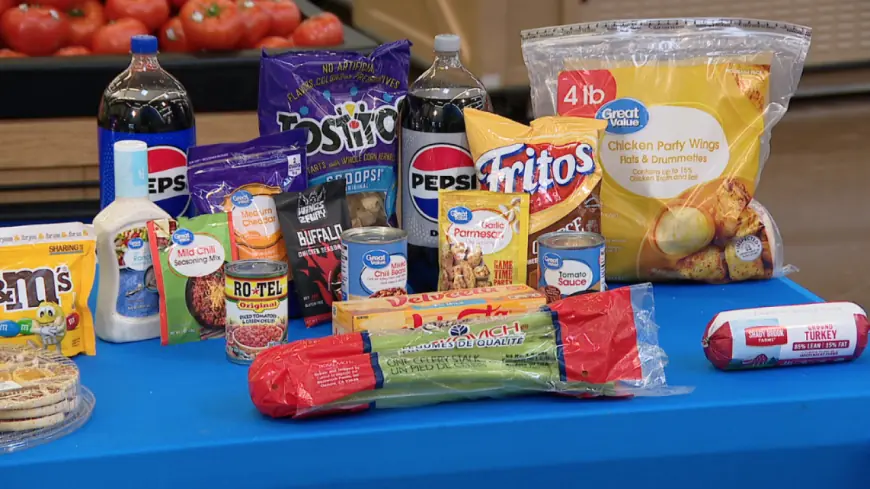
Super Bowl Sunday is as much a food holiday as a football one, and ahead of the Feb. 8, 2026 kickoff (6:30 p.m. ET), the snack forecast looks familiar—but with a clear tilt toward value. Chicken wings are still the centerpiece, dips still dominate the coffee table, and hosts are leaning into make-ahead trays and “build-your-own” stations that stretch ingredients without shrinking the fun.
With grocery prices still on people’s minds, the most noticeable shift this year is how parties are being planned: fewer ultra-pricey platters, more mix-and-match staples that feed a crowd.
Wings remain the main event
The biggest headline on the menu is the wing total. Industry estimates put nationwide Super Bowl wing consumption at about 1.48 billion wings this year, underscoring how thoroughly wings have become the default game-day protein.
That demand is also shaping shopping behavior. Many hosts are buying wings earlier in the week, then freezing or holding them chilled—especially for larger gatherings—because wings are the one item that can swing the whole budget if you’re feeding 10–20 people.
A practical tip that’s gaining traction: split the order. Do one classic sauce (buffalo-style) and one “dry” option (lemon-pepper or a chili rub). It reduces the number of ingredients you need while still making the spread feel varied.
Guacamole stays huge as avocado costs ease
Guacamole remains a table-lock for many parties, and this year it’s getting a boost from lower avocado costs tied to strong supply. For hosts, that typically means fewer compromises: bigger bowls, more frequent refills, and more room for add-ins like roasted corn, diced mango, or crumbled queso.
The broader avocado boom also shows up in the way people snack. Beyond guac, parties are leaning on avocado-based sauces and spreads—think avocado-lime crema for nachos or avocado mash on mini sliders—because it adds richness without the cost of premium meats.
Dips and “boards” are taking over
If wings are the headline, dips are the supporting cast that keeps people grazing through the second quarter. Queso, seven-layer dip, jalapeño popper-style dip, and salsa-based spreads are all showing up heavily in game-day planning.
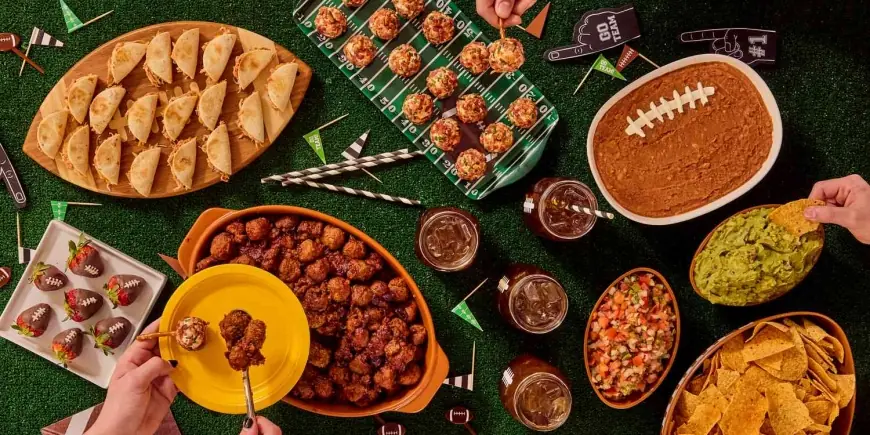
A notable trend is the continued rise of modular snack boards—big trays where chips, wraps, veggies, pickles, and small bites live together. The appeal is simple: they look impressive, they’re easy to set out early, and they reduce last-minute cooking stress. Some hosts are even building stadium-shaped snack displays for the visual payoff, using simple materials and repeating sections (chips here, veggies there, dips in the “end zones”).
The budget move: flexible staples over specialty platters
This year’s most common strategy is swapping expensive “one-and-done” platters for staples that can be repurposed. Tortilla chips can serve nachos, pair with salsa, and scoop queso. Shredded cheese can top nachos, finish sliders, and bulk up a dip. Rotisserie chicken can become taquitos, sliders, or a buffalo-chicken dip.
Another value trend: more frozen-party items. Frozen pizza, freezer wings, and heat-and-serve appetizers are popular because they reduce waste risk—unused items can stay frozen for another weekend—while still keeping the menu crowd-pleasing.
Key takeaways for a winning spread
-
Build around two anchors: wings plus one “big dip” that can feed everyone.
-
Use multipurpose ingredients (chips, cheese, salsa, onions) to cut costs and prep time.
-
Add freshness with a veggie tray and one bright topping (lime, cilantro, pickled jalapeños).
-
Plan for pacing: keep a halftime refill ready so the table doesn’t go empty at peak demand.
What to watch on Sunday afternoon
If you’re shopping on game day, the pressure points are predictable: wings, chips, avocados, and popular dips can sell through fastest. For hosts aiming to avoid a last-minute scramble, the most reliable approach is to lock in the core items by Saturday night, then leave Sunday for fresh add-ons like limes, cilantro, and any last-minute bakery runs.
For viewers, the food schedule often mirrors the broadcast: set out the boards and dips during the pregame window, serve wings close to kickoff, and keep a quick “second wave” (pizza, nachos, or sliders) ready for halftime.
Sources consulted: National Chicken Council; Wells Fargo Agri-Food Institute; Bloomberg; The Guardian