





















Why Taxi Driver’s Most Painful Scene Defines Its Classic Status

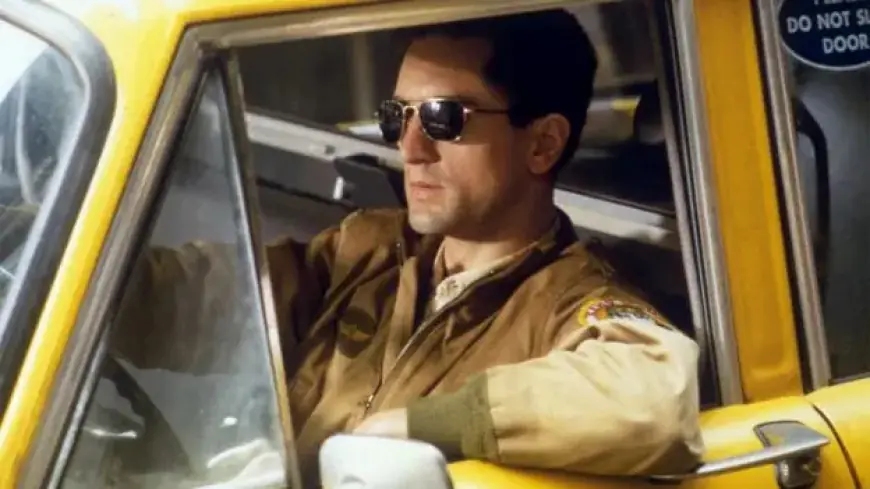
Taxi Driver, directed by Martin Scorsese, remains a cornerstone of American cinema, illustrating themes of isolation and despair. A critical moment in the film highlights its artistic depth and emotional weight, particularly in the phone call scene between Travis Bickle and Betsy.
Defining the Classic Status of Taxi Driver
The scene occurs about one-third into the film and serves as a significant turning point for Travis. After an unfortunate date choice leads to Betsy’s distress, Travis attempts to reconcile through a phone call. He reads his vulnerability through a grimy phone booth in a derelict corridor, setting the tone for his character’s solitude.
The Unique Cinematic Approach
Rather than focusing solely on Travis, Scorsese opts for an unconventional filming technique. Cinematographer Michael Chapman tracks the camera away from Travis, centering the shot on the empty corridor leading to an open doorway. This technique emphasizes the desolate environment surrounding him.
- Location: Ed Sullivan Theatre, Broadway
- Visual Style: Unconventional camera work
- Themes: Isolation, vulnerability, and societal disconnect
The bleak corridor represents a stark contrast to the bustling city outside. Viewers hear Travis’s emotional reaction to his rejection, yet his expression remains off-screen. This decision deviates from typical Hollywood storytelling, where the focus often resides on dramatic dialogue and close-ups.
Impact on Travis Bickle’s Character
This moment encapsulates Travis’s intense vulnerability. Unlike the later mirror scene where he displays bravado, here, he is stripped of any pretense, facing the reality of his alienation. The camera’s retreat from him allows a brief preservation of dignity, something he often lacks in his tumultuous life.
Ultimately, this poignant scene is a testament to the film’s maverick spirit and its place in the “New Hollywood” movement of the 1970s. Taxi Driver’s artistic choices not only define its classic status but also maintain its relevance in contemporary discussions of cinema and storytelling.