























Australians’ Passion for Japan’s Snow is Getting Expensive

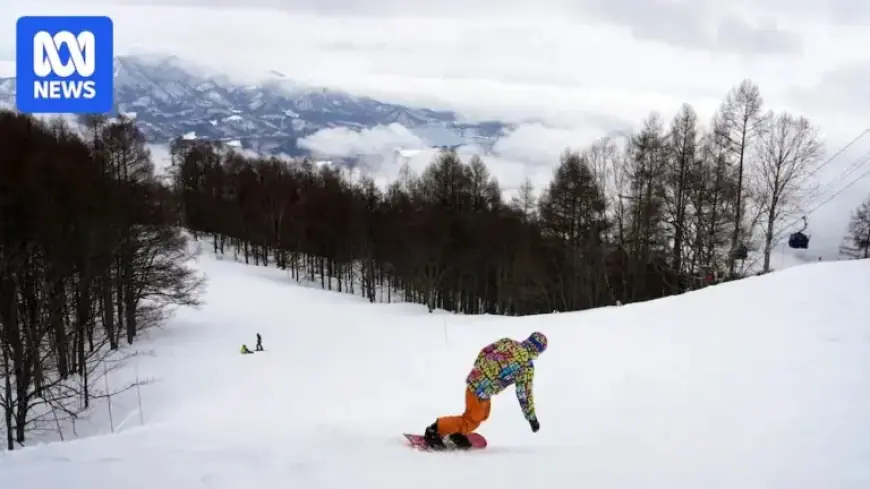
Australians have developed a strong affinity for skiing on Japan’s unique snow, often referred to as “Japow.” This trend has drawn more Australian tourists to Japan’s slopes than travelers from any other country. The allure of softer, drier powder is appealing for skiers and snowboarders looking for a thrilling winter sports experience. However, this popularity brings with it significant risks.
Rising Incidents and Safety Concerns
The year 2023 recorded tragic accidents, including the deaths of three Australians in ski-related incidents. Such occurrences highlight the potential dangers of winter sports. According to insurance reports, claims for injuries sustained while skiing in Japan have surged in recent years.
Insurance Claims Increase
Southern Cross Travel Insurance indicated a remarkable 75% increase in claims related to skiing and snowboarding accidents between 2023 and 2025. The average claim during this period ranged from $1,100 to $1,500. Similarly, 1Cover reported a 43% increase in claims from 2024 to 2025.
- 2023–2025 claims rise: 75% (Southern Cross Travel Insurance)
- Average claim cost: $1,100 – $1,500
- 2024–2025 claims rise: 43% (1Cover)
As winter approaches, January becomes peak season, with international visitors flooding Japan’s resorts. This surge has led to the term “Japanuary,” characterizing the busy month filled with tourists.
The Unique Appeal of Japan’s Snow
Japan’s snow is distinct due to its origin from Siberian winds mixing with warmer air from the Sea of Japan, resulting in dry, powdery snow. Ski coach Thomas Gellie notes that this type of snow is easier on joints and makes skiing more enjoyable. However, such conditions can also lead to severe accidents if caution is not observed.
Understanding Terrain and Risks
While Japan is renowned as a top ski destination for Australians, it also poses various challenges. Experts like Makoto Takayanagi of Japan’s National Ski Safety Measures Council revealed that the majority of off-piste ski accidents in Hokkaido involved foreign tourists.
Back-country skiing is particularly risky. Wilderness medicine physician Shota Tanaka emphasizes the importance of recognizing environmental factors that can lead to accidents, such as cold exposure and unstable weather conditions.
Staying Safe on the Slopes
Australians are encouraged to respect local customs and be prepared for the unique aspects of skiing in Japan. Some ski infrastructure may not meet the standards found in Australia, necessitating increased personal responsibility for safety.
Top Safety Tips for Australian Skiers in Japan
- Obtain avalanche education for off-piste skiing.
- Travel with a certified guide in unfamiliar terrain.
- Check and ensure travel insurance covers snow sports.
- Adhere to resort boundaries and safety signage.
- Be aware of local culture to maintain harmony.
Owen Lansbury from the Mountain Safety Collective cautions that crossing resort boundaries can lead to severe consequences, as rescue services may not be available. Therefore, understanding the risks and preparing accordingly is crucial for a safe and enjoyable experience.
Conclusion
Australians’ passion for Japan’s snow brings both excitement and potential hazards. By following these guidelines and acknowledging the unique dangers of skiing in this beautiful country, skiers can make the most of their time on the slopes while staying safe.